

New York City's Wetlands Strategy Saves Millions on Staten Island
Translated from English, summarized and contextualized by DistantNews.
At a glance
In-depth
Sources not specified
Context piece
- New York City's "Bluebelt" strategy on Staten Island, implemented in the 1990s, preserved natural wetlands instead of building conventional storm sewers.
- This approach saved taxpayers $80 million in infrastructure costs and effectively manages rainwater runoff.
- The strategy has become a model for water management across the city, integrating natural habitats with conventional infrastructure.
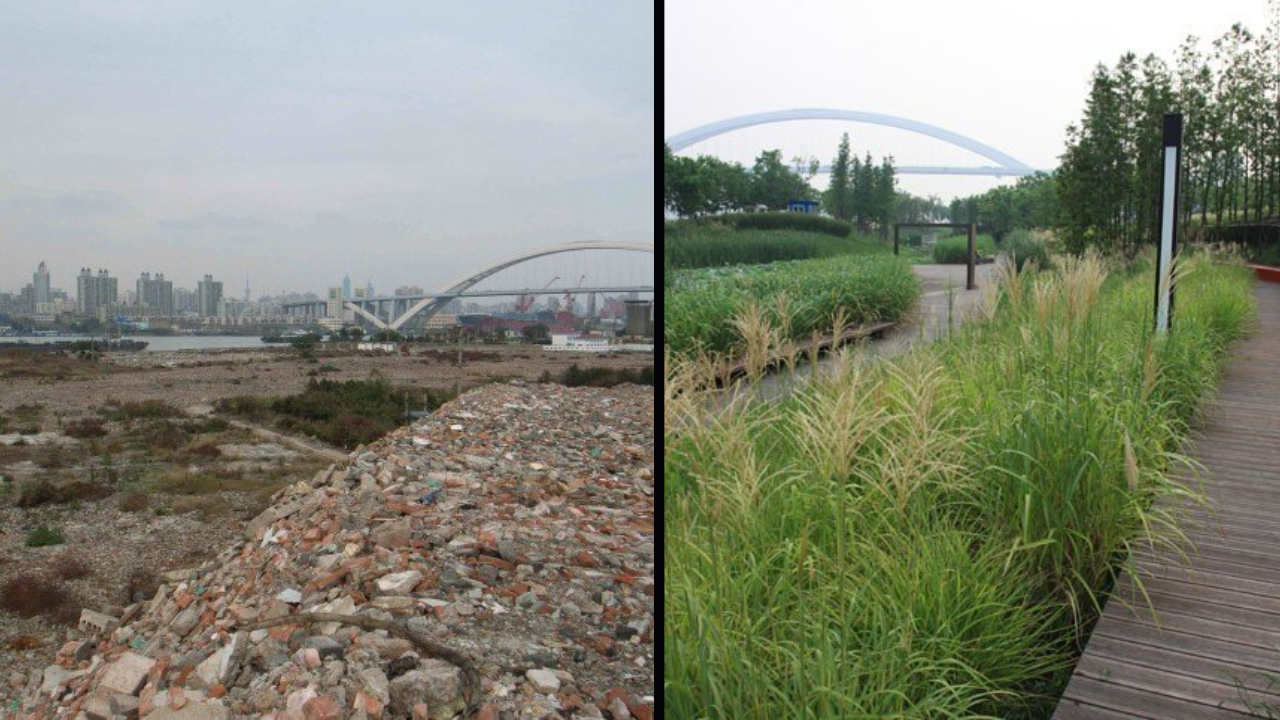
In the 1990s, New York City adopted an innovative approach on Staten Island, prioritizing the preservation and restoration of natural wetlands over the construction of traditional storm sewers. This "Bluebelt" strategy has since proven to be a significant financial and environmental success.
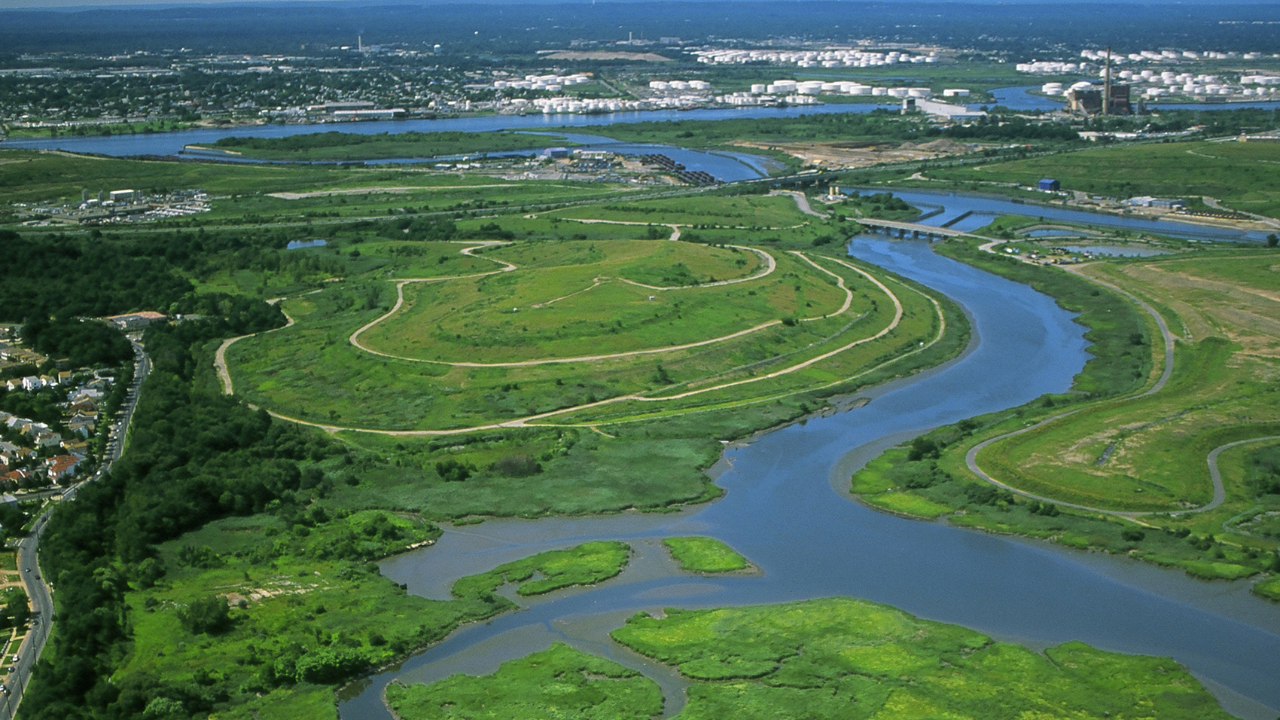
Instead of installing miles of underground concrete pipes, the city focused on natural streams, ponds, and freshwater marshes to safely channel rainwater into surrounding bays. The Bluebelt initiative saved taxpayers an estimated $80 million in infrastructure costs. This success provided a blueprint for water management strategies implemented across New York City.
The city's comprehensive framework, detailed in the New York City Wetlands Strategy and the PlaNYC 2011 Waterways plan, officially integrated natural habitats into its municipal infrastructure alongside conventional treatment facilities. Historically, urban expansion had led to the loss of over 90 percent of New York City's freshwater wetlands and approximately 85 percent of coastal wetlands in the New York-New Jersey Harbor Estuary.
While many natural stream corridors were paved over or buried, significant ecosystems persisted, particularly on Staten Island, the Upper East River, Western Long Island Sound, and Jamaica Bay. Jamaica Bay, for instance, remains a crucial stopover for migratory birds and supports a diverse array of fish species.
The PlaNYC 2011 Waterways document established a dual approach to managing runoff, combining "grey" engineering (concrete storage tanks, pumping stations, sewer mains) with "green" infrastructure. This integrated strategy aims to cut combined sewer overflow (CSO) volumes by 40 percent while projecting over $2 billion in savings compared to relying solely on grey infrastructure.
DistantNews Editorial
Originally published by Times of India in English. Translated, summarized, and contextualized by our editorial team with added local perspective. Read our editorial standards.
More Stories



From Our Blog

What Press Freedom Means for the News You Read

What Gets Lost (and Found) When News Is Translated

The Critical Role of Diaspora Media in Global News

What Travellers Should Know About Countries with Restricted Press

A Digital Nomad's Guide to Following Local News
