


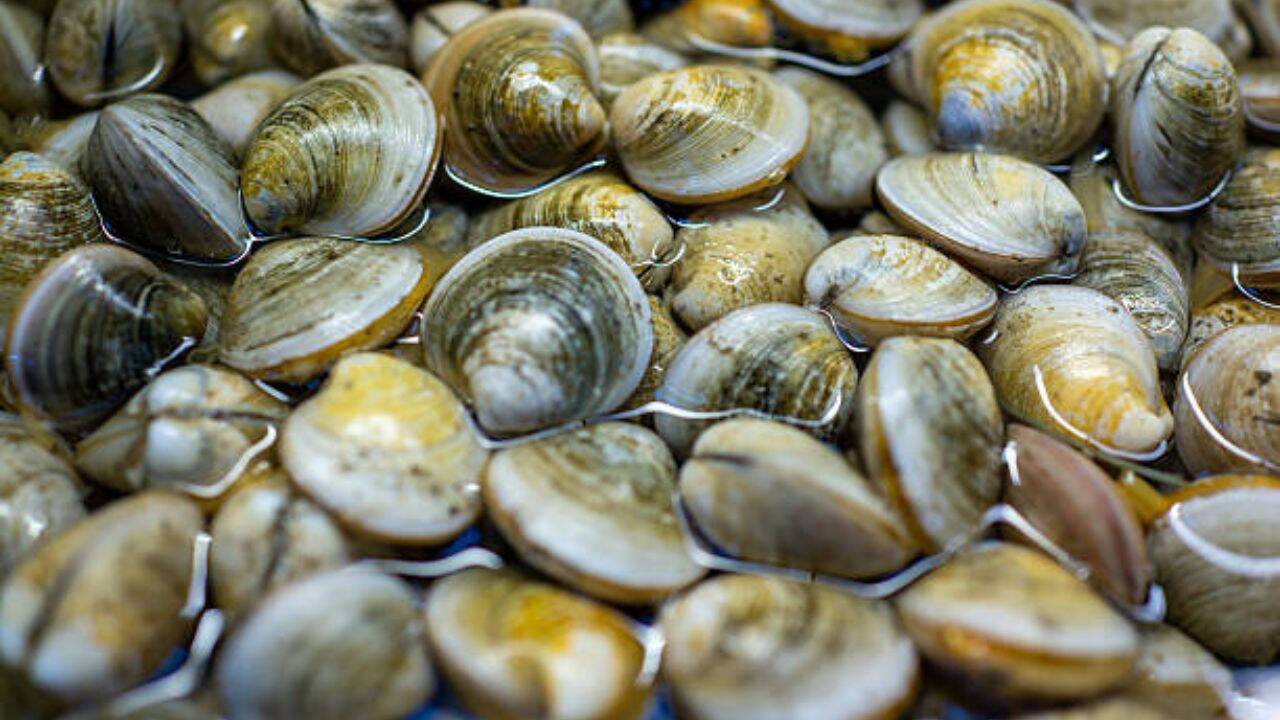
Scientists bred 39 surviving clams in Florida’s Indian River Lagoon; they have since outplanted 65 million
Summarized and contextualized by DistantNews.
At a glance
In-depth
Named sources
Outcome reported
- Scientists have successfully bred 39 surviving clams in Florida's Indian River Lagoon, a species that had nearly gone extinct.
- These 'super clams' have been outplanted, with significant survival rates observed.
- Restoration efforts are underway to revive the lagoon's ecosystem, which was devastated by environmental decline.
Florida's Indian River Lagoon is showing promising signs of recovery after decades of environmental degradation, thanks to a dedicated restoration effort led by the Indian River Lagoon Council with funding from NOAA Fisheries. A team of scientists and a fisherman are working to restore four critical habitat types: coquina rock reefs, shellfish beds, seagrass meadows, and wetlands.
If you wanted clams, you could jump out of your boat anywhere in the lagoon and harvest them by the bucketful.
Clams, once abundant and vital to the lagoon's ecosystem, had virtually disappeared by the 2010s due to overharvesting and massive algal blooms. In 2018, researchers found only 39 surviving adult clams. These survivors, representing a unique genetic opportunity, were used to spawn millions of larvae, leading to the creation of what are now known as 'super clams.' This nickname, coined to garner public support, has helped the project gain traction.
a kind of environmental apocalypse.
Since then, the team has grown and outplanted 65 million juvenile seed clams and adults back into the lagoon. Monitoring indicates that approximately half of the outplanted adult clams survived after two years, and 10 to 13 percent of seed clams survived after one year. These clams play a crucial role in filtering algae, keeping the water clear, and providing food for other species through their filtered waste.
These 39 clams represented a genetic opportunity. We could capitalize on the unique traits that allowed these individuals to survive. We spawned the adults and got 40 million larvae.
The primary threat to the clams' survival remains the influx of freshwater from stormwater and agricultural runoff, which can lower the brackish water's salinity to lethal levels. Through extensive data analysis and experimentation, Osborne's team has identified optimal outplanting locations to maximize survival rates. Under the NOAA award, 21 million clams have been strategically placed in two selected sites.
a name coined by a retired restaurateur friend of Osborne to help the project gain traction outside the lab. It worked.
DistantNews Editorial
Originally published by Times of India. Summarized and contextualized by our editorial team with added local perspective. Read our editorial standards.
More Stories


From Our Blog

What Press Freedom Means for the News You Read

What Gets Lost (and Found) When News Is Translated

The Critical Role of Diaspora Media in Global News

What Travellers Should Know About Countries with Restricted Press

A Digital Nomad's Guide to Following Local News
