

New York's most common heron could vanish in 10 years, signaling harbor's environmental woes
Translated from Spanish, summarized and contextualized by DistantNews.
At a glance
News
Sources not specified
Context piece
- The black-crowned night heron, New York City's most common wading bird, faces potential extinction in the port by 2037.
- Nesting reports over 40 years show a 55% population decline in the last 22 years, signaling broader environmental issues in the harbor.
- NYC Bird Alliance urges state and local bodies to protect nesting islands, restore habitats, and fund research into the decline, warning of regional consequences.
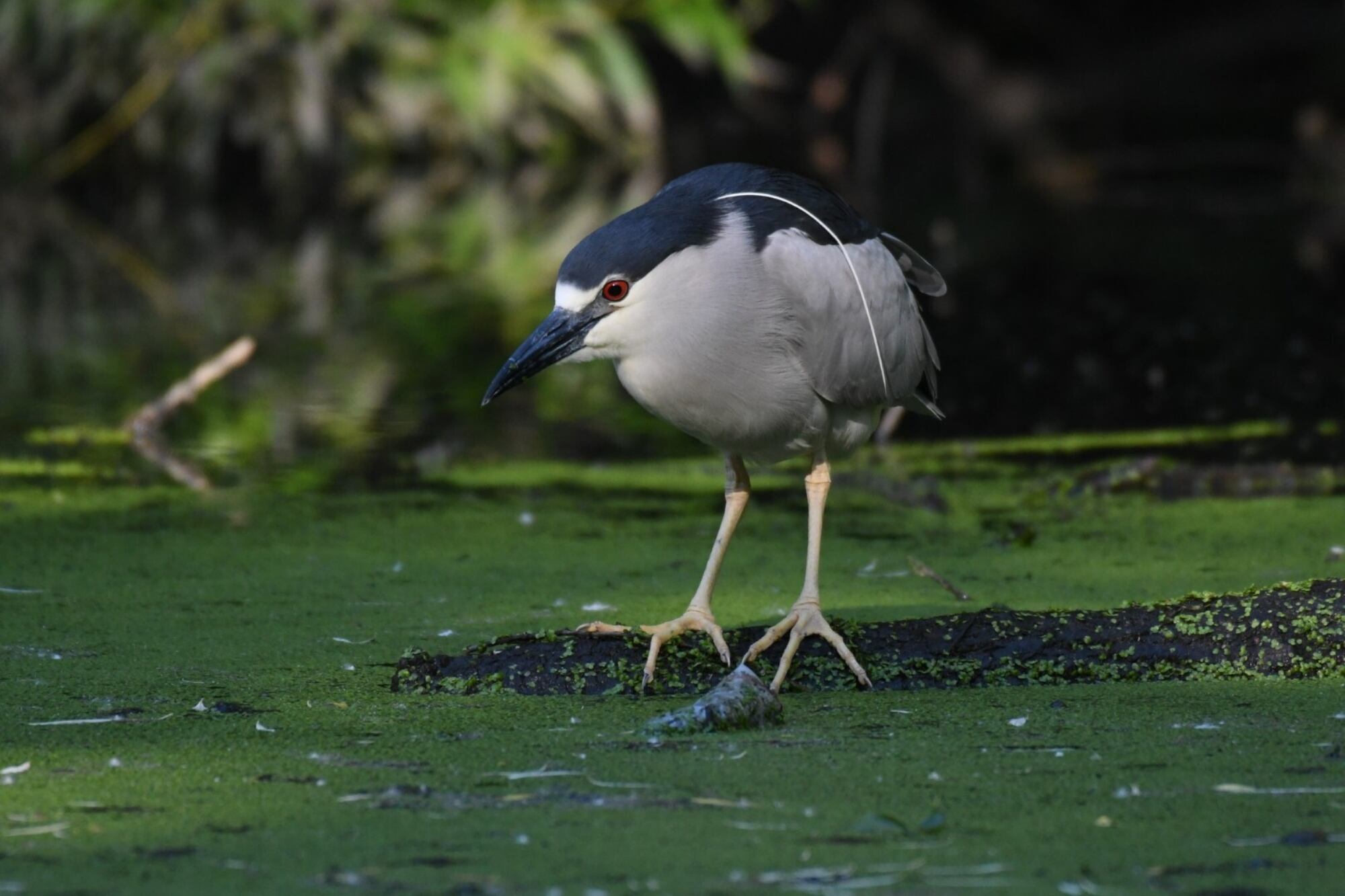
New York City's most common wading bird, the black-crowned night heron, could vanish from the harbor within a decade if action isn't taken. Nesting reports from the New York-New Jersey harbor over the past 40 years reveal a stark 55% decrease in the heron population in just the last 22 years.
These birds, typically seen hunting fish and crabs at dusk before returning to small, pristine islands to nest with other wading species, are showing significantly reduced activity. Experts warn that this decline is a critical indicator of the harbor's overall environmental health. "The black-crowned night heron is the key indicator of the harbor's condition," states the NYC Bird Alliance website. "As a top predator feeding on virtually all habitats the harbor offers, its health reflects the entire system: the water where New Yorkers swim and fish, the marshes protecting our coast from storms, the intricate web of life that makes New York Harbor one of the world's great urban estuaries."
While the black-crowned night heron is listed as endangered in Pennsylvania and threatened in Maine and New Jersey, it lacks official protection status in New York. The NYC Bird Alliance is calling on state and local agencies to reduce human disturbance and predation on the nesting islands and to restore the surrounding environment. They also urge the public to sign a petition demanding funding for specific research into the causes of the bird's decline from NYC Parks and the New York State Department of Environmental Conservation. The organization warns that the disappearance of this heron population from New York Harbor could jeopardize the species' future not only in New York but across the entire Atlantic region.
The black-crowned night heron is the key indicator of the harbor's condition. As a top predator feeding on virtually all habitats the harbor offers, its health reflects the entire system: the water where New Yorkers swim and fish, the marshes protecting our coast from storms, the intricate web of life that makes New York Harbor one of the world's great urban estuaries.
DistantNews Editorial
Originally published by La Nación in Spanish. Translated, summarized, and contextualized by our editorial team with added local perspective. Read our editorial standards.
More Stories



From Our Blog

What Gets Lost (and Found) When News Is Translated

The Critical Role of Diaspora Media in Global News

What Travellers Should Know About Countries with Restricted Press

A Digital Nomad's Guide to Following Local News

How the Same Story Looks Different in Different Countries
