


New Zealand blocks lawsuits against firms over climate harm
Summarized and contextualized by DistantNews.
At a glance
News
Named sources
Approved/passed
- New Zealand's parliament passed legislation to block lawsuits holding companies liable for climate change harm.
- The government stated the law prevents civil litigation from overriding climate policy and undermining business confidence.
- Climate activist Michael Smith, whose lawsuit against six companies was effectively ended by the law, called it a "dark day for democracy."
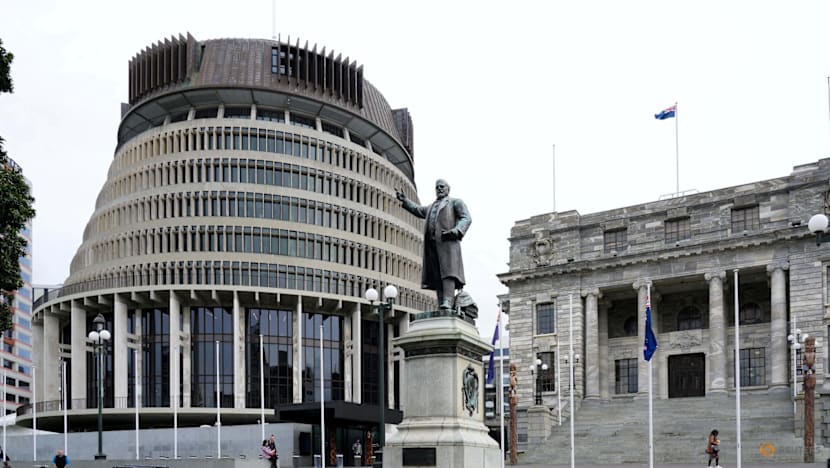
New Zealand's coalition government has passed controversial legislation that effectively blocks lawsuits seeking to hold companies accountable for climate change-related harm. The amendment cleared its final parliamentary vote on Tuesday night with a 67-to-53 margin.
If parliament can cancel a live court case, then no legal claim is secure at all once it becomes politically inconvenient.
The government argued that the law is necessary to prevent civil litigation from undermining its climate policies and eroding business confidence. The legislation was introduced in direct response to a lawsuit filed by Indigenous Maori climate activist Michael Smith against six major New Zealand companies for their alleged contribution to environmental damage linked to climate change.
Smith, whose legal action was effectively nullified by the new law, expressed strong criticism, calling the development a "dark day for democracy." He argued that if parliament can cancel ongoing court cases for political convenience, no legal claim remains secure. His lawsuit had targeted prominent companies, including the dairy giant Fonterra.
It was half a dozen dirty polluters versus one. They had the best-paid and brightest lawyers in the land, and they lost. So what did those companies do? They cheated by coming to the government of the day and saying, 'please extinguish this case, wipe out this case, nullify it'.
Opposition lawmakers condemned the bill, with Green Party lawmaker Steve Abel stating it was "intentionally against the public interest." He questioned why the courts could not provide a remedy if the government and industry had failed to address the issue, suggesting companies had influenced the government to extinguish the case. Justice Minister Paul Goldsmith defended the legislation, asserting it provides certainty for businesses regarding their climate obligations and prevents the courts from creating new regulatory regimes that contradict parliamentary enactments.
Ongoing litigation in the High Court, where an applicant has brought civil claims against six major businesses for their greenhouse gas emissions, risks developing a new regime that contradicts the framework Parliament has already enacted. It's creating uncertainty in business confidence and investment.
Goldsmith stated that ongoing litigation created uncertainty for business and investment, arguing that climate change issues involve complex environmental, economic, and social factors best managed by the government nationally, not through fragmented court cases. This comes as an independent climate advisory body warned that current government policies might cause New Zealand to miss its emissions reduction targets, citing decisions that could increase emissions.
Our response to climate change is best managed by the Government at a national level and not through piecemeal litigation in the courts.
DistantNews Editorial
Originally published by CNA. Summarized and contextualized by our editorial team with added local perspective. Read our editorial standards.
More Stories


From Our Blog

What Gets Lost (and Found) When News Is Translated

The Critical Role of Diaspora Media in Global News

What Travellers Should Know About Countries with Restricted Press

A Digital Nomad's Guide to Following Local News

How the Same Story Looks Different in Different Countries
