


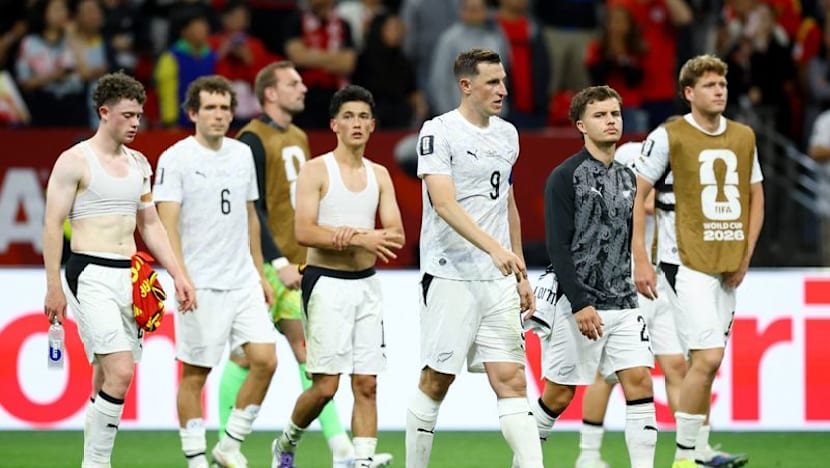
New Zealand's early World Cup exit puts Oceania free pass in spotlight
Summarized and contextualized by DistantNews.
At a glance
News
Named sources
Outcome reported
- New Zealand's early exit from the World Cup has highlighted FIFA's decision to grant Oceania an automatic qualifying spot.
- The All Whites, despite being one of the tournament's lowest-ranked teams, failed to advance from the group stage.
- Their performance has raised questions about the "free pass" for Oceania, especially compared to nations that qualified through tougher continental playoffs.
New Zealand's winless World Cup campaign has intensified scrutiny on FIFA's policy of awarding Oceania an automatic qualification berth for the expanded 48-team finals. The Chris Wood-captained All Whites, returning to the global stage after a 16-year absence, were eliminated from the group stage after a draw with Iran and heavy losses to Egypt and Belgium.
Despite being among the tournament's lowest-ranked nations, New Zealand's early departure is seen as a missed opportunity, particularly as more modest nations like South Africa and Bosnia and Herzegovina advanced to the knockout phase. As the only professional football nation in Oceania, New Zealand's "free pass" through qualification, bypassing the rigorous intercontinental playoffs required of other confederations, has come under the spotlight.
The last New Zealand team to qualify via playoffs in 2010 also exited at the group stage but earned global praise for an unbeaten record. This current squad, however, faces a less triumphant return after an "armchair ride" through qualification against semi-professional and amateur teams.
While Oceania's automatic spot is a significant advantage for New Zealand's football association, other nations competing in tougher qualifying regions may view the loophole with frustration. The All Whites, with Premier League forward Wood and an experienced squad, were considered the best-equipped New Zealand team to date, yet they struggled to convert leads against Egypt and Iran, and their defense conceded 10 goals.
Despite the disappointing results, the experience is expected to benefit New Zealand football. The $12.5 million in prize money provides a substantial boost to the program. While rugby remains dominant, soccer's footprint is growing, with the emergence of a second professional team, Auckland FC, and increased pathways for talent.
That’ll be the big one we’ll look back on.
DistantNews Editorial
Originally published by CNA. Summarized and contextualized by our editorial team with added local perspective. Read our editorial standards.
More Stories


From Our Blog

What Gets Lost (and Found) When News Is Translated

The Critical Role of Diaspora Media in Global News

What Travellers Should Know About Countries with Restricted Press

A Digital Nomad's Guide to Following Local News

How the Same Story Looks Different in Different Countries
