

Newell says Samuda’s comments on mangrove destruction inconsistent with gov’t data
Summarized and contextualized by DistantNews.
At a glance
News
Named sources
Context piece
- Opposition Spokesman Omar Newell disputes Environment Minister Matthew Samuda's claims about mangrove destruction in Jamaica.
- Newell argues Samuda's focus on illegal firewood cutting contradicts the government's own management plan, which identifies development as a major cause.
- The opposition stresses the importance of mangroves for coastal protection, especially after Hurricane Melissa.
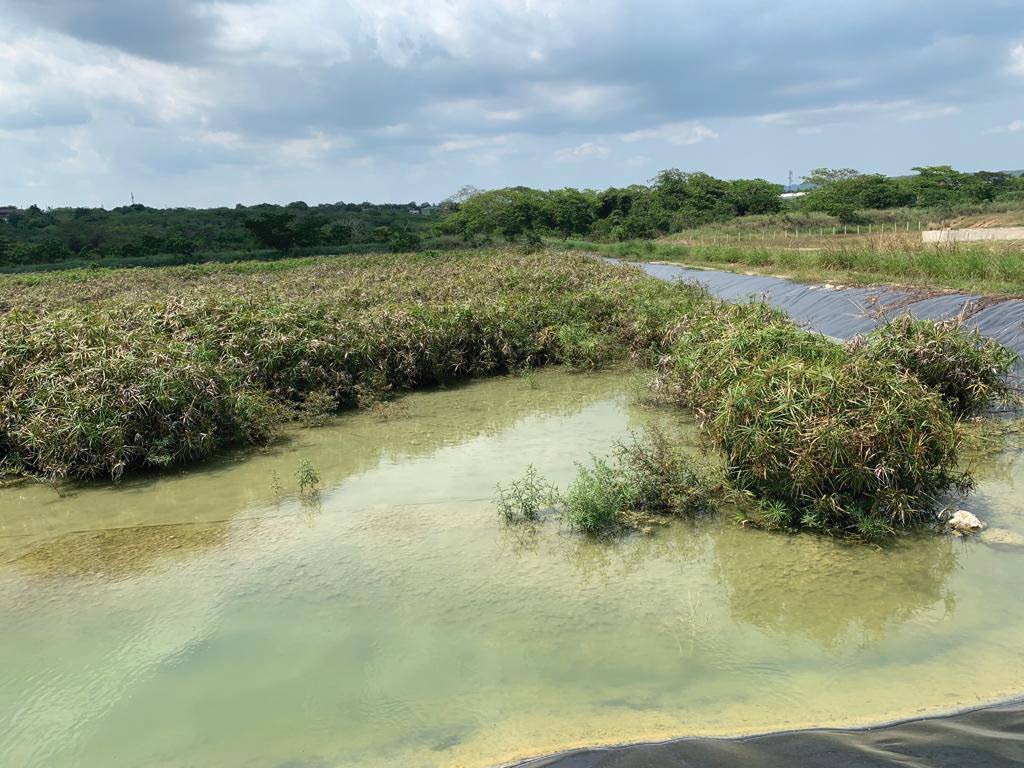
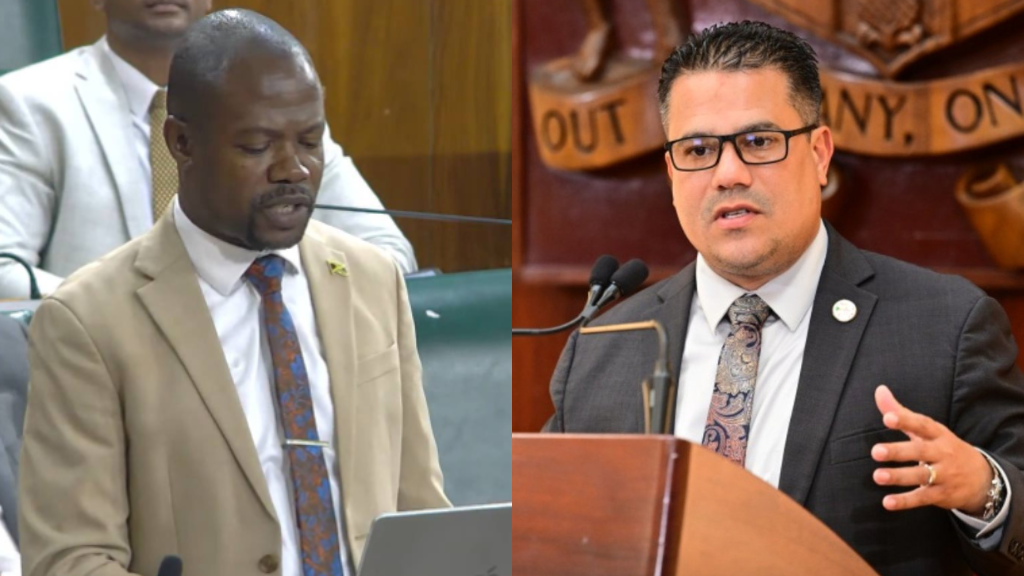
Opposition Spokesman on Environment and Climate Resilience Omar Newell has criticized Environment Minister Matthew Samuda's recent statements attributing Jamaica's primary mangrove threat to illegal cutting for firewood. Newell contends that Samuda's claims are inconsistent with the findings of the government's own National Mangrove and Swamp Forest Management Plan for 2023-2033.
The biggest issue affecting our mangroves is the illegal cutting of them to be used for firewood.
Minister Samuda had stated that the "biggest issue affecting our mangroves is the illegal cutting of them to be used for firewood." He further elaborated that poverty drives this issue, leading to significant degradation of mangrove forests, rather than housing or commercial developments. However, Newell argued that while illegal cutting is a problem, the government's official data points to development activities as a substantial driver of mangrove loss.
If you don’t reduce poverty, mangroves become charcoal, and that’s where we have significant degradation of our mangrove forest, not from housing developments or commercial developments.
"The minister's comments are extremely troubling, especially in a post-Hurricane Melissa Jamaica, considering the important role mangroves play in protecting our coastal communities during storms," Newell stated. He cited the National Mangrove and Swamp Forest Management Plan, which attributes approximately 19.56 percent of Jamaica's mangrove losses to the tourism, commerce, and transportation sectors. "The Government’s own report states clearly that most mangrove losses were related to tourism development," Newell emphasized.
The minister’s comments are extremely troubling, especially in a post-Hurricane Melissa Jamaica, considering the important role mangroves play in protecting our coastal communities during storms.
Newell expressed concern that the public is being directed to focus on marginalized individuals seeking livelihoods, while larger drivers of environmental degradation receive less scrutiny. He highlighted that Jamaica's mangroves are critical natural assets for climate resilience, offering protection against storm surge and coastal erosion. "In the aftermath of Hurricane Melissa, Jamaicans understand better than ever that mangroves are not simply trees along the coastline. They are part of our national defence against climate disasters," Newell asserted.
The Government’s own report states clearly that most mangrove losses were related to tourism development. These are not Opposition figures. They are findings contained in an official national management plan that is available to the minister and his ministry.
DistantNews Editorial
Originally published by Jamaica Observer. Summarized and contextualized by our editorial team with added local perspective. Read our editorial standards.
More Stories


From Our Blog

What Gets Lost (and Found) When News Is Translated

The Critical Role of Diaspora Media in Global News

What Travellers Should Know About Countries with Restricted Press

A Digital Nomad's Guide to Following Local News

How the Same Story Looks Different in Different Countries
