


[News Analysis] Trump Knocks on North Korea’s Door. Will Kim Jong-un Let Him In?
Translated from Korean and summarized by DistantNews. Read the original for the full story.
At a glance
News
Named sources
Context piece
- U.S. President Donald Trump ordered a substantial reduction in the scale of joint military drills between the U.S. and South Korea.
- Trump cited his "very good relationship" with North Korean leader Kim Jong-un and Pyongyang's recent behavior as reasons for the decision.
- The move has drawn criticism from South Korea's conservative People Power Party, while the ruling Democratic Party acknowledges the potential for dialogue but notes the difficulty in scaling back exercises.
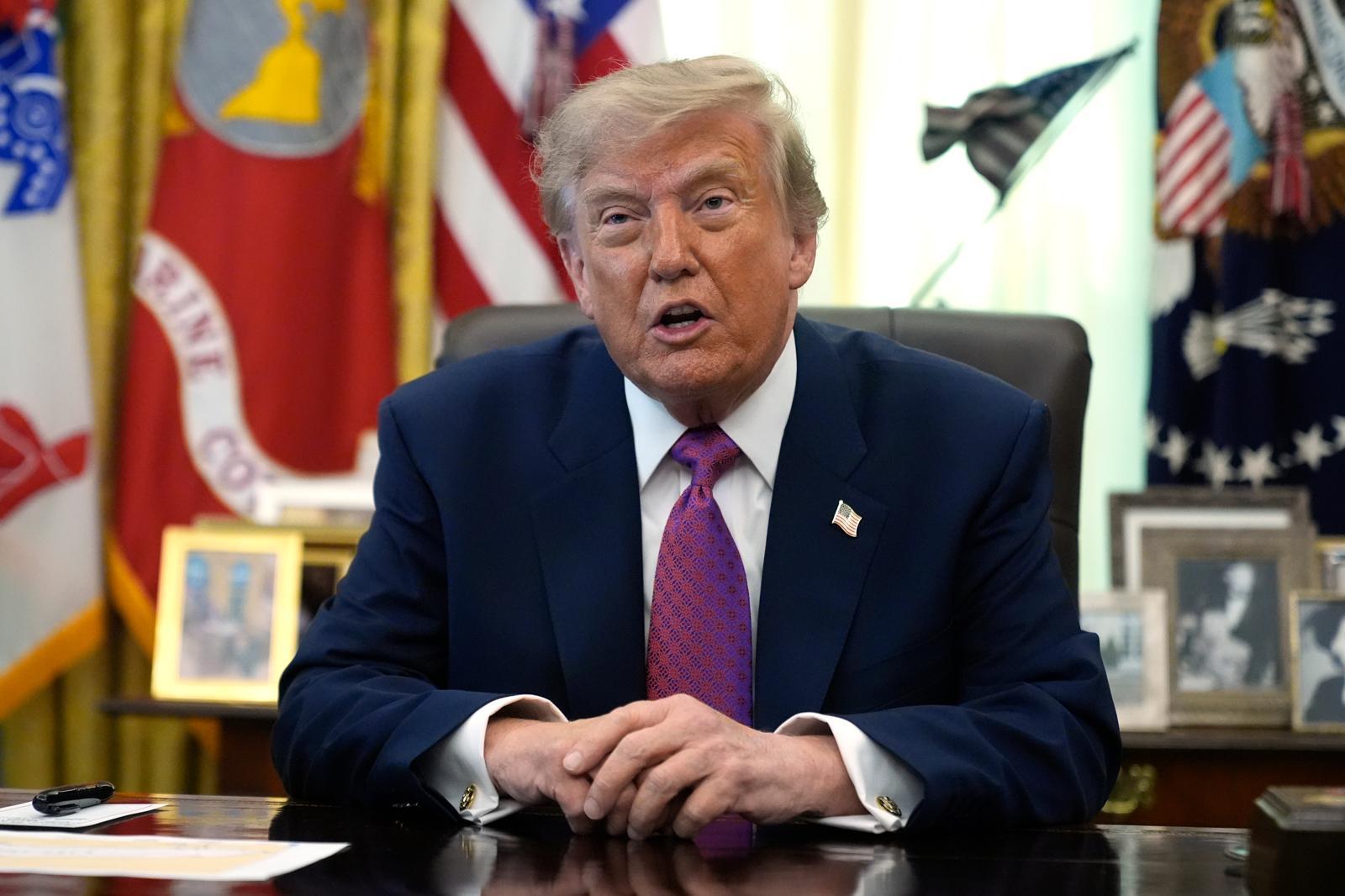
U.S. President Donald Trump has ordered a significant scaling back of regular joint military exercises between the United States and South Korea, citing his positive relationship with North Korean leader Kim Jong-un. The decision, announced on August 16, came on the same day the drills were scheduled to begin, prompting questions about the future of security on the Korean Peninsula.
Trump revealed his directive to Defense Secretary Pete Hegseth via a Truth Social post, stating that Pyongyang had been "unthreatening and respectful" during his tenure. This unilateral announcement has been met with strong disapproval from South Korea's conservative People Power Party, which condemned the move as a "complete dismissal of Korea."
We hope that the friendly relations between the leaders of North Korea and the US will lead to bilateral dialogue, which will then initiate discussions to advance peace and stability on the Korean Peninsula. As a pacemaker, Korea will make every diplomatic effort necessary to finish this race.
Seoul's Blue House, however, offered a more measured response. A senior official affirmed the continued strong combined defense posture between the U.S. and South Korea and pledged ongoing cooperation on joint exercises. The official expressed hope that the "friendly relations between the leaders of North Korea and the US will lead to bilateral dialogue, which will then initiate discussions to advance peace and stability on the Korean Peninsula."
will not be easy to reduce the scale of the drills
Despite the official statements, uncertainty remains about the actual reduction in the scale of the exercises. A senior official from the ruling Democratic Party suggested that altering the drills, which were set to commence, would not be easy. Analysts interpret Trump's focus on scaling back military exercises, rather than merely highlighting his relationship with Kim, as a clear signal of his desire to restart dialogue with Pyongyang. This move is also seen as an attempt to shift international attention towards North Korea, potentially diverting focus from the ongoing conflict in Iran ahead of the November midterm elections.
The crucial question now is how Kim Jong-un will respond to Trump's overtures. Experts believe North Korea might welcome dialogue, provided denuclearization is not on the agenda. Hong Min, a senior research fellow at the Korea Institute for National Unification, suggests that reduced military exercises could increase the likelihood of a positive response from North Korea. However, he predicts that such dialogue would primarily serve as an opportunity for Pyongyang to showcase its improved relations with Trump, without addressing the core issue of denuclearization.
Scaling back US-ROK joint military drills shows Trump’s intent to focus on restarting dialogue between North Korea and the US. If these comments are followed by concrete steps, such as actual reductions in military exercises, the likelihood of a positive response from North Korea would increase. However, such dialogue would not address the issue of denuclearization and would instead serve largely as an opportunity for Pyongyang to tout its improved relations with Trump.
About this summary
Originally published by Hankyoreh in Korean. Translated, summarized, and contextualized automatically by DistantNews, with a note on how the source frames the story. Not individually reviewed before publishing. How this works.
More Stories


From Our Blog

What Gets Lost (and Found) When News Is Translated

The Critical Role of Diaspora Media in Global News

What Travellers Should Know About Countries with Restricted Press

A Digital Nomad's Guide to Following Local News

How the Same Story Looks Different in Different Countries
