



News: Verdict against young neo-Nazis, gender debate for top state post, scrap metal on the moon
Translated from German, summarized and contextualized by DistantNews.
At a glance
News
Sources not specified
In the courts
- A German court is set to deliver a verdict against seven alleged members and one supporter of the neo-Nazi group "Letzte Verteidigungswelle" (Last Defense Wave).
- The group, whose members were between 14 and 21 years old at the time of the alleged offenses, is accused of planning and carrying out attacks against migrants and left-wing individuals.
- Experts note a concerning trend of younger, more violent right-wing extremists, recruited via social media, reminiscent of past extremist groups.
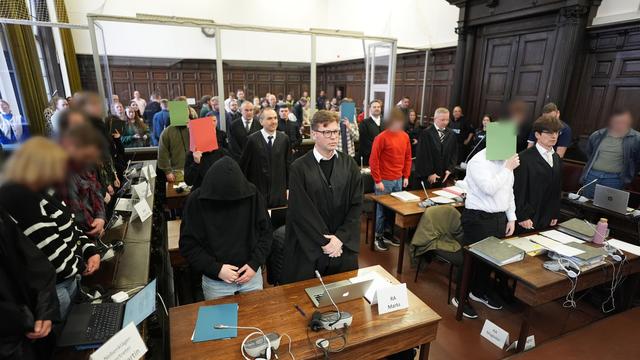
A German court is scheduled to announce its verdict today against seven alleged members and one supporter of the far-right extremist terror group "Letzte Verteidigungswelle" (Last Defense Wave). The accused, who were between 14 and 21 years old at the time of the alleged crimes, face charges including attempted murder, conspiracy to commit murder, arson, and assault. The group is accused of planning and executing attacks targeting migrants and left-wing individuals.
This case highlights a disturbing trend identified by experts: right-wing extremists are becoming increasingly young and violent. The "Last Defense Wave" adopted the motto, "We are the wave that flushes the dirt out of our country," and their logo resembled that of the SS-Totenkopfdivision. The entire trial, following the indictment in March, was held behind closed doors due to the age of the defendants.
Recent large-scale police operations in early May targeted other right-wing youth organizations, such as "Deutsche Jugend Voran" and "Jung und Stark." Experts draw parallels to the neo-Nazi cells of the "baseball bat years" in the 1990s, but note that today's recruitment increasingly occurs through social media and chat groups, making extremist calls to action readily accessible.
In a separate political development, the prospect of a woman becoming Germany's next head of state, with Ilse Aigner, president of the Bavarian State Parliament, being a favored candidate, is facing resistance. While Chancellor Olaf Scholz has stated the decision would be made after autumn state elections, CDU leader Friedrich Merz offered only lukewarm praise for Aigner. Thorsten Frei, a newly appointed CDU parliamentary group leader, cautioned against prematurely deciding on a female candidate for the highest office, while the "Bild" newspaper has suggested Hessian state governor Boris Rhein as a potential candidate.
DistantNews Editorial
Originally published by Der Spiegel in German. Translated, summarized, and contextualized by our editorial team with added local perspective. Read our editorial standards.
More Stories

From Our Blog

What Gets Lost (and Found) When News Is Translated

How the Same Story Looks Different in Different Countries

The Critical Role of Diaspora Media in Global News

What Travellers Should Know About Countries with Restricted Press

A Digital Nomad's Guide to Following Local News
