


NGOs Face Cuts Under Minister Rydman's Proposed Aid Conditions
Translated from Finnish, summarized and contextualized by DistantNews.
At a glance
News
Named sources
New plan
- Finnish Social Affairs and Health Minister Wille Rydman proposes stricter conditions for state-funded social and health organizations.
- The proposed changes could lead to organizations like Suomen Pakolaisapu and Seta facing significant funding cuts or operational changes.
- These organizations fear the cuts will impact their work supporting refugees, sexual minorities, and preventing crime.
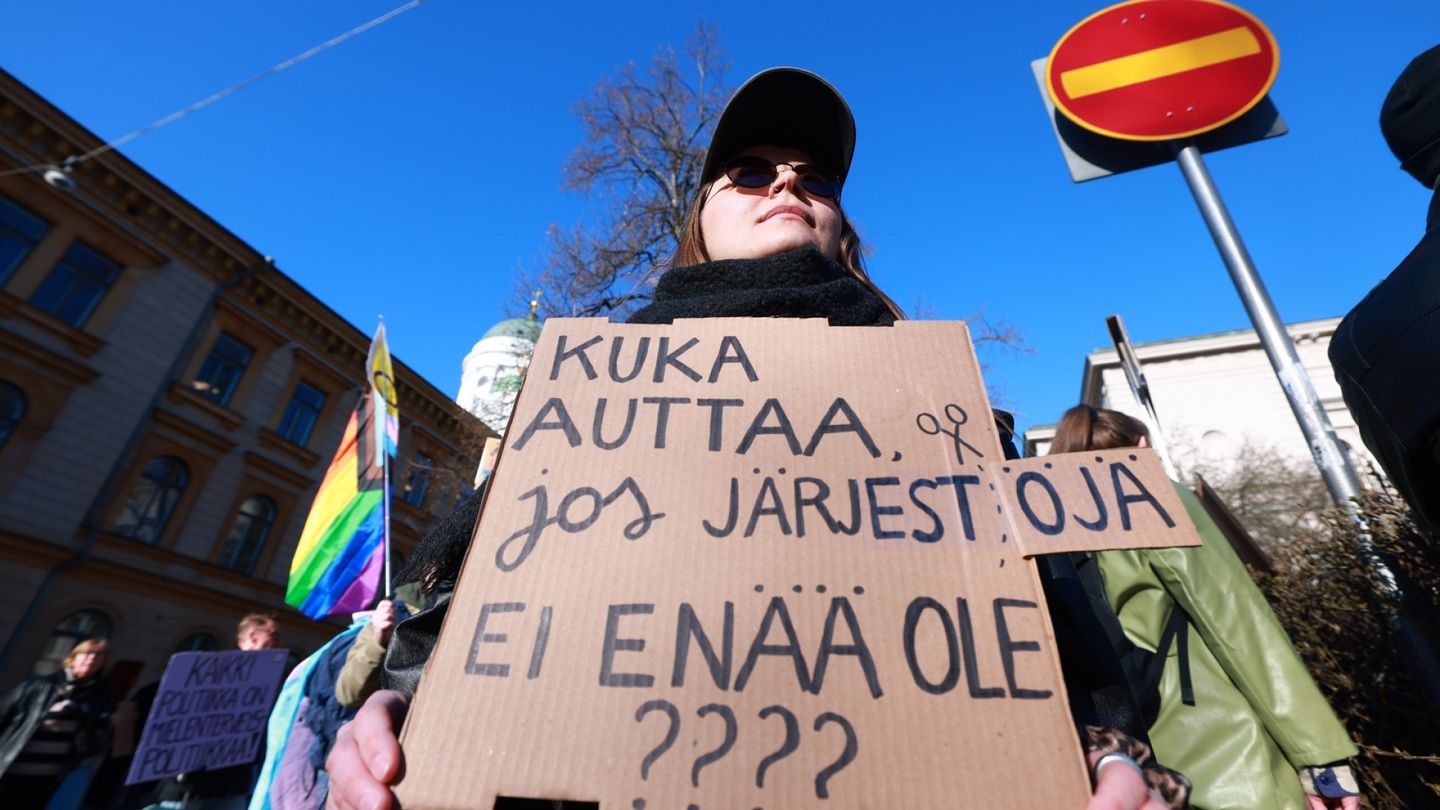
Finnish Social Affairs and Health Minister Wille Rydman's proposed tightening of conditions for state-funded social and health organizations (Stea) has sparked concern among various NGOs. Vertti Kiukas, Secretary-General of Soste, the umbrella organization for social and health organizations, told Helsingin Sanomat that groups supporting sexual minorities and immigrants are particularly vulnerable. Annu Lehtinen, Executive Director of Suomen Pakolaisapu (Finnish Refugee Council), expressed grim outlooks, stating that domestic operations would cease immediately if the criteria are applied as described. The organization relies on Stea grants for about 1.3 million euros in 2026, covering roughly 80% of its domestic funding for work on refugee integration, employment, and preventing labor exploitation and gang activity. Lehtinen noted that even funding for projects preventing gang activity, previously supported by the European Internal Security Fund, was partly covered by Stea, meaning the impact would be even greater. Rydman announced on Monday plans to significantly tighten Stea grant conditions, citing a government decision to cut funding by about a third next year. Organizations primarily focused on specific non-health-related identity groups, such as Seta (the organization for sexual and gender minorities), are expected to lose funding. Seta's Secretary-General Kerttu Tarjamo, however, suggested that while drastic, operations could continue with significant changes, potentially involving staff reductions. Seta receives over 600,000 euros in Stea grants, accounting for about 60% of its funding. Tarjamo mentioned that the organization has already adapted to reduced public funding during the current government term by developing private fundraising. The government's cuts to organizations are expected to exceed 160 million euros over the term. Grants will also be denied to organizations focused on societal influence or advisory work. While Tarjamo agrees that face-to-face work is important, she does not see it as mutually exclusive with advocacy, stating that advocacy can create long-term change for minorities. Ulla Siimes, Executive Director of the Central Union for Child Welfare, stated that predicting the full impact is difficult at this stage, as Stea grants only account for 11% of her organization's funding.
DistantNews Editorial
Originally published by Helsingin Sanomat in Finnish. Translated, summarized, and contextualized by our editorial team with added local perspective. Read our editorial standards.
More Stories



From Our Blog

What Gets Lost (and Found) When News Is Translated

The Critical Role of Diaspora Media in Global News

What Travellers Should Know About Countries with Restricted Press

A Digital Nomad's Guide to Following Local News

How the Same Story Looks Different in Different Countries
