

Nicaragua's President Ortega says no more elections, extending his 20-year rule
Translated from English, summarized and contextualized by DistantNews.
At a glance
News
Sources not specified
Outcome reported
- Nicaraguan President Daniel Ortega announced that no more elections will be held, effectively extending his rule.
- This declaration cancels the country's next scheduled elections, originally set for November 2027.
- Ortega has been in power for 20 years, facing accusations of electoral fraud and eliminating opposition.
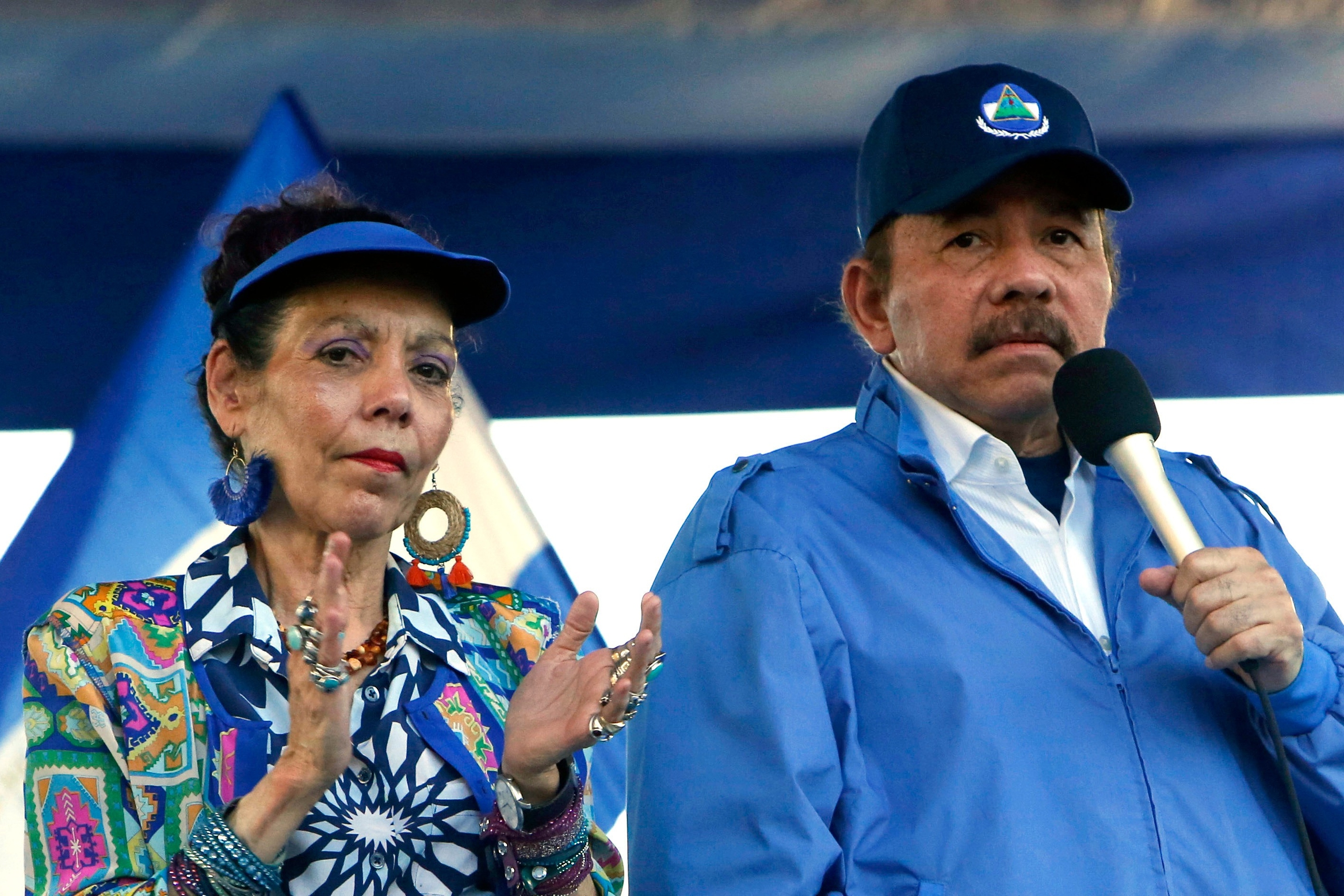
Nicaraguan President Daniel Ortega has declared that the country will not hold any further elections, a move that effectively cancels the next scheduled vote and extends his two-decade rule. The announcement, made recently, effectively eliminates any possibility of democratic alternation in power.
Ortega, who has governed Nicaragua since 2007, made the pronouncement during a commemorative event for the 47th anniversary of the Sandinista revolution. "Elections will not be held here again so that they (the opposition) can try to seize the government, seize power," he stated, signaling a definitive end to electoral processes under his administration.
The country was slated to hold general elections in November 2027. However, constitutional amendments have extended the presidential term, pushing the theoretical next election date. Ortega, an 80-year-old former Sandinista guerrilla fighter, has consistently faced allegations of electoral fraud and has been accused of eliminating political opposition to prevent competition.
His wife, Rosario Murillo, who has served as vice president since 2017, was designated "co-president" in February 2025 through a constitutional reform. This reform also stipulated that the executive branch would "coordinate" other state "organs," which are no longer referred to as powers. The changes have further consolidated Ortega's grip on power, drawing criticism both domestically and internationally.
Elections will not be held here again so that they (the opposition) can try to seize the government, seize power.
DistantNews Editorial
Originally published by NPR in English. Translated, summarized, and contextualized by our editorial team with added local perspective. Read our editorial standards.
More Stories


From Our Blog

How the Same Story Looks Different in Different Countries

What Gets Lost (and Found) When News Is Translated

The Critical Role of Diaspora Media in Global News

What Travellers Should Know About Countries with Restricted Press

A Digital Nomad's Guide to Following Local News
