


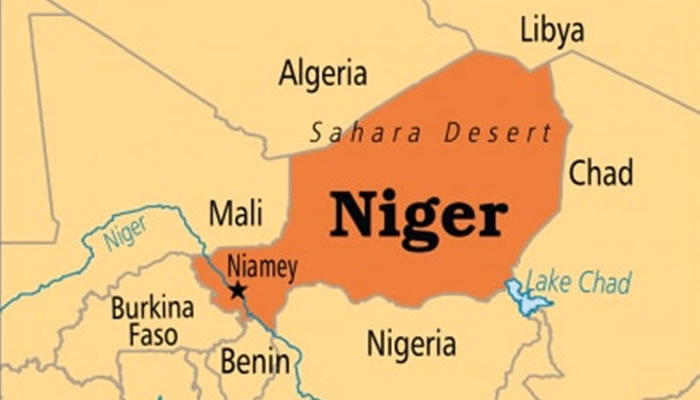
Niger hands in formal request to quit ICC
Summarized and contextualized by DistantNews.
At a glance
News
From a news agency
Context piece
- Niger has formally requested to withdraw from the International Criminal Court (ICC), following a similar move by Mali and Burkina Faso.
- The three Sahelian nations, ruled by military governments, view the ICC as an "instrument of neo-colonial repression."
- The withdrawal process will take three years, with Niger remaining obligated to the court's statutes until June 18, 2027.
Niger, now under military rule, has officially submitted its request to withdraw from the International Criminal Court (ICC). This move, announced nine months after similar declarations by allies Mali and Burkina Faso, signals a growing alignment among Sahelian nations governed by hardline military regimes that seized power through coups between 2020 and 2023.
These three countries have collectively distanced themselves from the West and have openly criticized the ICC. They jointly declared their withdrawal last September, denouncing the court as an "instrument of neo-colonial repression in the hands of imperialism." The ICC confirmed receipt of Niger's "instrument of withdrawal" on June 18, according to a statement sent to AFP.
instrument of neo-colonial repression in the hands of imperialism
The withdrawal will not be immediate; it will take effect on June 18, 2027, exactly three years after Niger submitted its notification. Until that date, Niger is expected to honor its obligations to the court. The ICC expressed regret over decisions that depart from the "collective effort to end impunity for the most serious international crimes," while acknowledging that treaty withdrawal is a sovereign right under international law.
Notably, the ICC's statement did not mention the status of Mali or Burkina Faso's withdrawal processes. The region faces significant challenges, including deadly violence from jihadist groups linked to Al-Qaeda and the Islamic State. However, the armies of these Sahelian nations have also faced accusations of committing crimes against civilians, a context that complicates their stance against the ICC, whose mission is to prosecute perpetrators of the most serious international crimes when national authorities are unable or unwilling to do so.
we regret any decision to depart from the collective effort to end impunity for the most serious international crimes
DistantNews Editorial
Originally published by Vanguard. Summarized and contextualized by our editorial team with added local perspective. Read our editorial standards.
More Stories


From Our Blog

How the Same Story Looks Different in Different Countries

What Gets Lost (and Found) When News Is Translated

The Critical Role of Diaspora Media in Global News

What Travellers Should Know About Countries with Restricted Press

A Digital Nomad's Guide to Following Local News
