


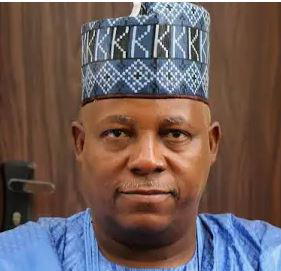
Nigeria begins Borno road rehabilitation to reopen trade routes
Translated from English, summarized and contextualized by DistantNews.
At a glance
News
Named sources
New plan
- The Nigerian Federal Government has launched rehabilitation projects for key roads in Borno State to improve trade and facilitate post-insurgency recovery.
- Vice President Kashim Shettima stated the projects aim to restore mobility, rebuild economic confidence, and reconnect communities affected by years of insurgency.
- The rehabilitated road corridors will enhance cross-border trade with neighboring countries and support economic activities within the North-East region.
Nigeria's Federal Government has initiated the rehabilitation of crucial road networks in Borno State, marking a significant step towards revitalizing trade and fostering post-insurgency recovery in the North-East. The Bama-Banki and Dikwa-Gamboru-Ngala roads are central to this initiative, aimed at restoring mobility and economic confidence in communities long affected by conflict and neglect.
Vice President Kashim Shettima, representing President Bola Tinubu at the flag-off ceremony, emphasized that these projects underscore the administration's commitment to rebuilding the region. He highlighted that improved road infrastructure is vital for economic engagement, ensuring farmers can reach markets, traders connect with customers, and essential services, including healthcare and security, are accessible.
Roads are the lifeline of our commercial engagements. They determine whether the farmer reaches the market, the trader reaches the customer, the child reaches school, the patient reaches healthcare and security agencies can respond to communities in time.
The strategic importance of these corridors lies in their ability to enhance cross-border trade with neighboring countries like Chad, Cameroon, and Niger. This connectivity is expected to boost regional integration and stimulate economic activities. The projects will feature reinforced concrete pavement, bridges, and drainage systems to ensure long-term durability.
Governor Babagana Umara Zulum of Borno State praised the federal government's support and highlighted the collaborative effort between federal and state authorities. He noted that improved infrastructure is a key driver of socio-economic development and thanked President Tinubu for his commitment to the North-East's reconstruction. The Dangote Group was also acknowledged for its contributions to the state's development.
Road infrastructure is central to sustainable peace and economic recovery, noting that poor road networks increase the cost of doing business, hinder agricultural productivity and limit access to essential services.
DistantNews Editorial
Originally published by Vanguard in English. Translated, summarized, and contextualized by our editorial team with added local perspective. Read our editorial standards.
More Stories

From Our Blog

How the Same Story Looks Different in Different Countries

What Gets Lost (and Found) When News Is Translated

The Critical Role of Diaspora Media in Global News

What Travellers Should Know About Countries with Restricted Press

A Digital Nomad's Guide to Following Local News
