

Nigeria Builds City from the Ocean: Eko Atlantic Rises from the Sea
Translated from Romanian, summarized and contextualized by DistantNews.
At a glance
In-depth
Sources not specified
Context piece
- A massive urban development project, Eko Atlantic, is underway in Nigeria, creating new land from the Atlantic Ocean.
- The project aims to expand Lagos and protect its coastline from erosion, using millions of cubic meters of sand.
- It is designed to host housing, businesses, and modern infrastructure, comparable in size to Manhattan.
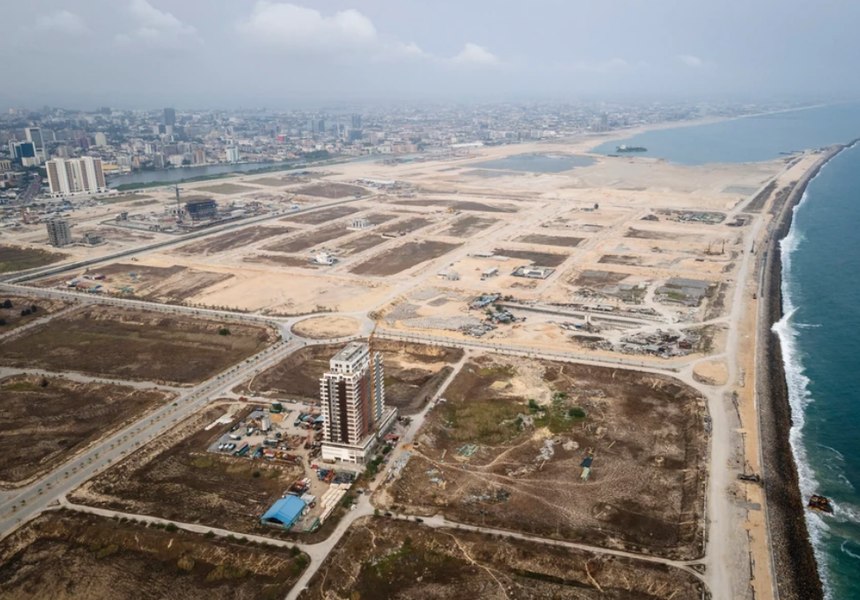
A spectacular infrastructure project is taking shape off the coast of Nigeria, where millions of tons of sand are being used to create new land for a city designed to rival Manhattan in size. This ambitious undertaking, known as Eko Atlantic, is being developed near the metropolis of Lagos on land reclaimed from the Atlantic Ocean.
Considered one of Africa's most ambitious urban development projects, Eko Atlantic aims to expand available construction space while simultaneously protecting the coastline from decades of erosion. Launched in the early 2000s, the project is a collaboration between South Energyx Nigeria Limited, the Lagos State government, and the federal government of Nigeria.
According to consulting firm Royal HaskoningDHV, over 75 million cubic meters of sand had been used for land reclamation by June 2023. Upon completion, the project will require approximately 95 million cubic meters of sand, creating a new city covering nearly 10 million square meters. The first phases of infrastructure, including bridges and water and sewage systems, are already complete, with developers preparing for further expansion.
Eko Atlantic is envisioned as an extension of Victoria Island, a key financial and residential hub in Lagos. The sand is dredged from the seabed and deposited within a designated perimeter to form stable land for modern buildings, residential areas, office blocks, commercial spaces, and comprehensive utility networks. Beyond expanding the city, the project directly addresses the severe coastal erosion that has plagued Lagos for years, effectively restoring the coastline to its 1905 position.
DistantNews Editorial
Originally published by Adevărul in Romanian. Translated, summarized, and contextualized by our editorial team with added local perspective. Read our editorial standards.
More Stories



From Our Blog

What Gets Lost (and Found) When News Is Translated

The Critical Role of Diaspora Media in Global News

What Travellers Should Know About Countries with Restricted Press

A Digital Nomad's Guide to Following Local News

How the Same Story Looks Different in Different Countries
