



Nigeria Moves from Economic Decline to Stability, Finance Minister Declares
Translated from English, summarized and contextualized by DistantNews.
At a glance
News
Official statement
New plan
- Nigeria has transitioned from economic decline to macroeconomic stability, according to the Minister of Finance.
- The government's priority is accelerating inclusive growth that benefits citizens and businesses.
- Economic reforms under President Tinubu averted collapse and laid the groundwork for sustainable growth, though they incurred short-term costs.
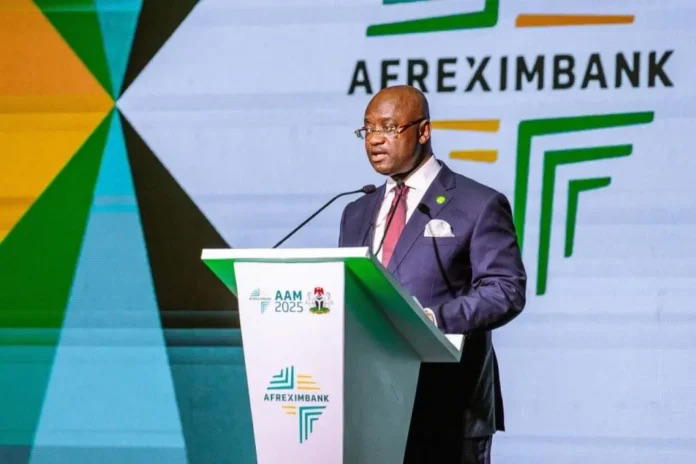
Nigeria has successfully navigated a period of economic decline and instability, emerging into a phase of macroeconomic stability, declared Taiwo Oyedele, Minister of Finance and Coordinating Minister of the Economy. The administration's immediate focus is now on fostering inclusive growth that delivers tangible advantages to both the populace and the business sector.
Speaking at the Nigeria Employers' Summit in Abuja, Oyedele stated that the economic reforms initiated by President Bola Tinubu's government were crucial in averting an imminent economic collapse. These reforms, he asserted, have established a foundation for sustainable economic expansion. While acknowledging that the reforms entailed significant short-term sacrifices, the minister emphasized their absolute necessity.
Prior to these measures, Nigeria's fiscal situation was unsustainable, with nearly all oil revenues consumed by fuel subsidy payments. Non-oil revenues were largely dedicated to debt servicing, leaving minimal resources for essential investments. "The reforms were not optional; they were necessary to prevent economic collapse," Oyedele stated. "The task before us now is to consolidate the gains, deepen stability and accelerate productive, inclusive growth that improves the lives of Nigerians."
The economy has shifted from severe volatility towards increasing stability, creating a more favorable environment for investment, enhanced productivity, and long-term resilience. Future economic plans will concentrate on achieving faster growth, curbing inflation, expanding opportunities across various sectors, and safeguarding low-income earners and small businesses. The minister also highlighted the importance of public understanding of government policies for accountability and meaningful participation in national development.
The reforms were not optional; they were necessary to prevent economic collapse. The task before us now is to consolidate the gains, deepen stability and accelerate productive, inclusive growth that improves the lives of Nigerians.
DistantNews Editorial
Originally published by Vanguard in English. Translated, summarized, and contextualized by our editorial team with added local perspective. Read our editorial standards.
More Stories


From Our Blog

How the Same Story Looks Different in Different Countries

What Gets Lost (and Found) When News Is Translated

The Critical Role of Diaspora Media in Global News

What Travellers Should Know About Countries with Restricted Press

A Digital Nomad's Guide to Following Local News
