


Nigeria needs 122,696 primary healthcare workers, FG estimates N4.55 billion cost
Translated from English, summarized and contextualized by DistantNews.
At a glance
News
Documents & data
New plan
- The Nigerian Federal Government needs an estimated N4.55 billion over three years to hire 122,696 health workers for primary healthcare facilities in 26 states.
- An analysis of baseline data revealed that out of 220,755 required positions, only 98,059 are filled, leaving a significant vacancy rate.
- The South East faces the most severe staffing shortages, with a 73% workforce gap, while the North East has the lowest deficit at 33.9%.
Nigeria faces a critical shortage of primary healthcare workers, with the Federal Government estimating a need for 122,696 additional staff across 26 states over the next three years.
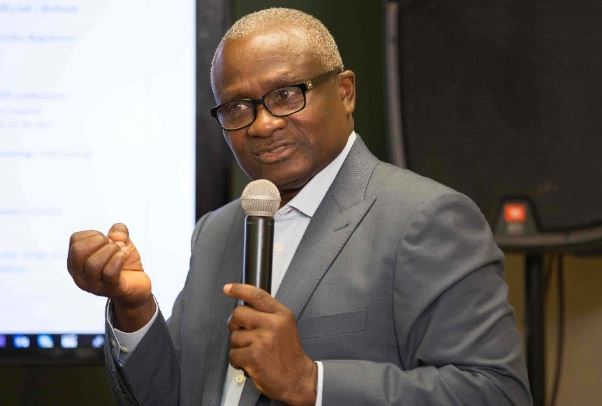
The recruitment drive requires an estimated N4.55 billion, according to Zaiyanatu Umar, Lead for Human Resource for Health and Project Management at the Sector-Wide Approach (SWAp) Coordination Office. This estimate stems from an analysis of baseline data submitted by 26 states, which reported staffing levels against the Primary Health Care Minimum Staffing Standards.
Assessments indicate that out of 220,755 required positions in primary healthcare facilities, only 98,059 are currently occupied. This leaves a substantial gap of 122,696 vacancies crucial for improving healthcare delivery nationwide. The World Bank-supported HOPE-GOV Programme incentivizes states for improvements in governance, financial management, and service delivery, including the recruitment and deployment of essential healthcare workers.
Regional disparities in staffing are stark. The South East region experiences the most severe shortages, with a 73% workforce gap and only 1.9 primary healthcare workers per 10,000 population. The North West follows with a 70.9% gap. In contrast, the North East has the lowest deficit at 33.9%, while the North Central and South West also show significant gaps. These shortages highlight persistent challenges in ensuring equitable access to quality healthcare services across Nigeria.
The baseline data received from SWAp was based on the recruitment tool that was developed. This was majorly to push forth on the HOPE-GOV 5.2 Disbursement-Linked Indicator (DLI), which spoke around ensuring quality healthcare workforce and availability across the different levels.
DistantNews Editorial
Originally published by The Punch in English. Translated, summarized, and contextualized by our editorial team with added local perspective. Read our editorial standards.
More Stories


From Our Blog

How the Same Story Looks Different in Different Countries

What Gets Lost (and Found) When News Is Translated

The Critical Role of Diaspora Media in Global News

What Travellers Should Know About Countries with Restricted Press

A Digital Nomad's Guide to Following Local News
