


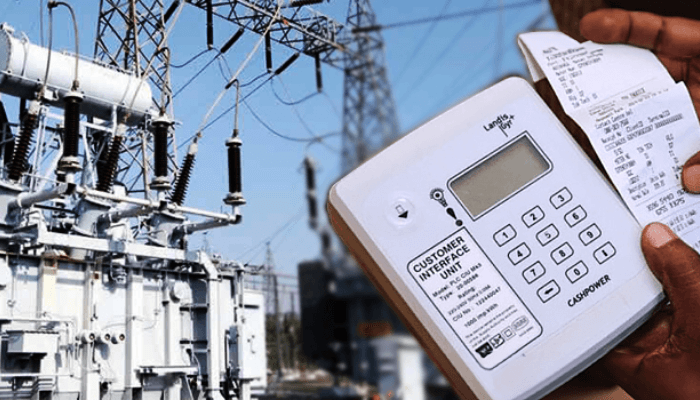
Nigeria: No electricity tariff hike for now, says Power Minister
Translated from English, summarized and contextualized by DistantNews.
At a glance
News
Named sources
New plan
- Nigeria's Minister of Power, Joseph Tegbe, announced that the government is not planning to increase electricity tariffs in the immediate future.
- The minister's priority is to improve electricity availability, grid reliability, and market sustainability, aiming to make power a catalyst for national productivity.
- A comprehensive technical audit of the transmission network is underway to identify issues and guide strategic investments in critical corridors over the next 2-3 years.
Nigeria's Minister of Power, Joseph Tegbe, has assured electricity consumers that a tariff increase is not on the immediate horizon. Speaking in Lagos, Tegbe emphasized that the government's focus lies on enhancing electricity availability, ensuring grid reliability, and achieving market financial sustainability. The ultimate goal, he stated, is to transform power supply from an economic constraint into a driver of national productivity.
Our priority is not tariff increase in the immediate term. Our objective is clear, to make electricity more available, make the grid more reliable, make the market financially sustainable and restore investor confidence.
To achieve this, the minister outlined a plan to meticulously examine additional mechanisms for consumer protection while simultaneously bolstering the market's financial health. Tegbe, who recently took charge of the power sector, revealed that a comprehensive technical audit of the electricity transmission network is a top priority. This audit aims to diagnose the system's weaknesses, including aging assets, overloaded substations, and operational vulnerabilities.
We want to ensure that electricity becomes a catalyst for national productivity rather than a constraint to economic growth.
"One cannot effectively rebuild what one has not properly diagnosed," Tegbe explained. The audit's findings will serve as the factual basis for prioritizing investments, reducing system failures, and improving planning. He anticipates that within two to three years, Nigerians will experience a stronger grid, leading to reduced technical losses, improved market discipline, greater investor confidence, expanded electricity access, and significantly higher operational capacity. Strategic investments are planned for three critical transmission corridors: Lagos, Enugu-Port Harcourt, and Abuja-Kaduna-Kano.
Our first priority is the comprehensive technical audit of the transmission segment of our electricity network.
DistantNews Editorial
Originally published by Vanguard in English. Translated, summarized, and contextualized by our editorial team with added local perspective. Read our editorial standards.
More Stories


From Our Blog

How the Same Story Looks Different in Different Countries

What Gets Lost (and Found) When News Is Translated

The Critical Role of Diaspora Media in Global News

What Travellers Should Know About Countries with Restricted Press

A Digital Nomad's Guide to Following Local News
