


Nigeria's Disability Movement: From Charity to Demanding Rights
Translated from English, summarized and contextualized by DistantNews.
At a glance
In-depth
Named sources
Context piece
- Persons with disabilities in Nigeria are advocating for accessibility as a right, not charity, challenging societal barriers in public facilities.
- A campaign highlights that only about 22.4% of assessed public buildings have functional ramps, and 11 states have yet to domesticate anti-discrimination laws.
- Legal frameworks, including the UN Convention on the Rights of Persons with Disabilities and Nigeria's Discrimination Act, mandate accessibility.
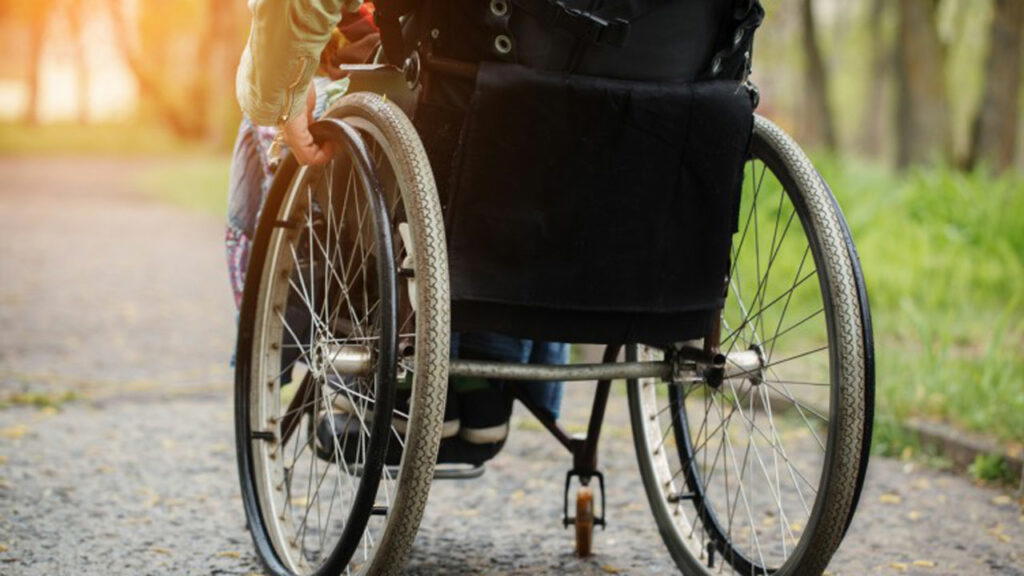
For millions of Nigerians with disabilities, the daily struggle is not just with physical impairments but with a society that often fails to accommodate them. Stairs without ramps, inaccessible bank counters, narrow elevators, and a lack of trained staff at government offices are just some of the barriers that deny access to education, healthcare, employment, and justice.
Recently, disability advocacy groups, including the Down Syndrome Foundation Nigeria and the Festus Fajemilo Foundation, launched a campaign demanding compliance with laws guaranteeing access to public facilities. They emphasize that accessibility is a fundamental human right, not a charitable act. The campaign included legally grounded audits of corporate facilities conducted by trained representatives from eight disability clusters.
Nigeria has ratified the UN Convention on the Rights of Persons with Disabilities (UNCRPD), which guarantees equal access to the physical environment, transportation, information, and services. Furthermore, the Discrimination Against Persons with Disabilities (Prohibition) Act of 2018 mandates accessibility in all public buildings and services, criminalizing discrimination. Lagos State also has specific laws requiring ramps, lifts, and accessible facilities in public buildings.
Despite these legal instruments, implementation remains a significant challenge. Data indicates that only about 22.4% of assessed public buildings feature functional ramps. Additionally, while 17 states have adopted anti-discrimination measures, 11 states have yet to domesticate these crucial laws, leaving many persons with disabilities without adequate legal protection and access.
For them, accessibility to public facilities is not charity; it is a constitutional, and human right.
DistantNews Editorial
Originally published by Vanguard in English. Translated, summarized, and contextualized by our editorial team with added local perspective. Read our editorial standards.
More Stories


From Our Blog

How the Same Story Looks Different in Different Countries

What Gets Lost (and Found) When News Is Translated

The Critical Role of Diaspora Media in Global News

What Travellers Should Know About Countries with Restricted Press

A Digital Nomad's Guide to Following Local News
