


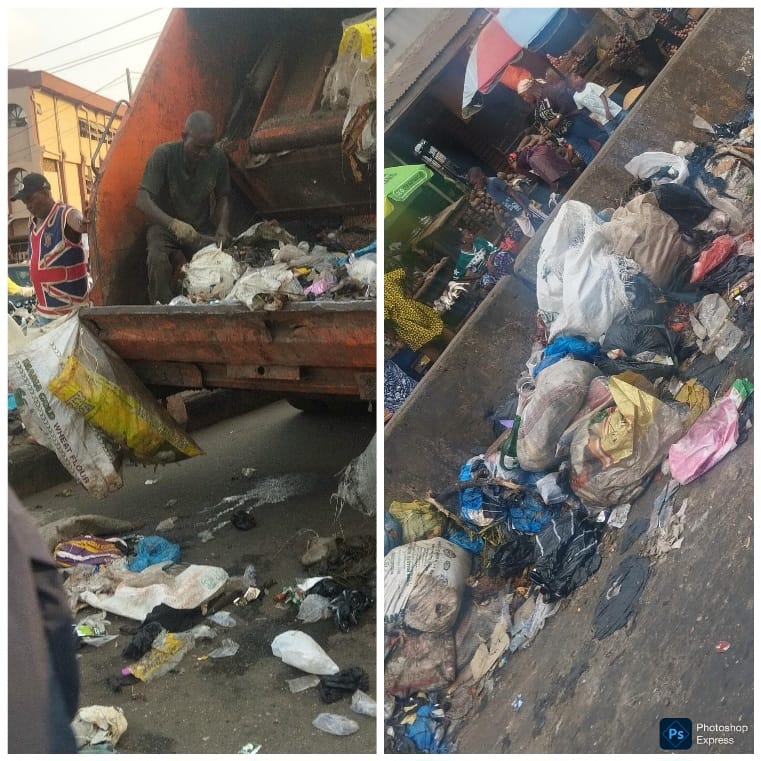
Nigeria's Economic Pinch Drives Families to Collect Trash for Cash
Translated from English, summarized and contextualized by DistantNews.
At a glance
News
Named sources
Context piece
- Rising living costs in Nigeria are forcing thousands of citizens, including graduates and the elderly, to collect and sell waste for survival.
- People are sorting and selling items like plastic bottles and aluminum cans to recycling centers for cash, as regular paychecks are insufficient.
- While this trend cleans up the environment by reducing litter, it raises health concerns for waste pickers who often lack protective gear.
What was once the domain of scavengers has become a desperate struggle for survival in Nigeria. As the cost of living soars, thousands of ordinary citizens are turning to garbage picking to feed their families.
The nation's economic pinch, marked by high inflation and escalating food prices, means a regular paycheck is no longer enough. For those without steady employment, the situation is dire. This pressure has transformed city streets, dumpsites, and event venues into crucial hunting grounds where plastic bottles and aluminum cans are now valuable commodities.
Mrs. Amina Haruna, who previously sold used clothes, found herself unable to afford inventory due to rising prices. "One day, a neighbor showed me how much she made from selling plastic bottles to a recycling center. I decided to try it. Today, this trash is the only reason my children have food on their table," she said.
I used to sell clothes in the market, but prices of bales of used clothes became too high for me to buy. One day, a neighbor showed me how much she made from selling plastic bottles to a recycling center. I decided to try it. Today, this trash is the only reason my children have food on their table.
This trend is visible across major cities, with a diverse group of people – young graduates, elderly widows, and parents with small children – combing through gutters and waste bins. The process involves collecting waste, sorting it into categories like PET bottles, aluminum cans, and paper, and then selling it by weight at local collection hubs. Mr. Abdul Danjuma, a recycling depot operator, has seen a "massive surge" in people bringing in waste. "Now, I see grandmothers, young boys, and people who look like they used to have good office jobs bring these plastics to me," he noted, adding that the volume of waste has doubled due to desperation.
While this economic necessity leads to a cleaner environment, with fewer plastic bottles blocking drainage systems, it poses health risks. Most pickers work without gloves, boots, or masks, facing potential cuts, skin infections, and exposure to harmful bacteria.
Two years ago, I mostly bought pet bottles, cans and cartons from informal cart pushers. Now, I see grandmothers, young boys, and people who look like they used to have good office jobs bring these plastics to me. The volume of waste coming in has doubled because everyone is desperate for cash. We pay them directly, and for many, it is the only cash they will see all day.
DistantNews Editorial
Originally published by Vanguard in English. Translated, summarized, and contextualized by our editorial team with added local perspective. Read our editorial standards.
More Stories


From Our Blog

How the Same Story Looks Different in Different Countries

What Gets Lost (and Found) When News Is Translated

The Critical Role of Diaspora Media in Global News

What Travellers Should Know About Countries with Restricted Press

A Digital Nomad's Guide to Following Local News
