

Nigeria's External Reserves Hit $52 Billion Amidst Reforms
Translated from English, summarized and contextualized by DistantNews.
At a glance
News
Named sources
New plan
- Nigeria's external reserves have surged to approximately $52 billion, with net reserves exceeding $40 billion, according to the Central Bank Governor.
- Governor Olayemi Cardoso attributed the increase to reforms that have restored investor confidence and stabilized the foreign exchange market.
- He expressed optimism that banking recapitalization will drive economic growth by increasing private sector lending.
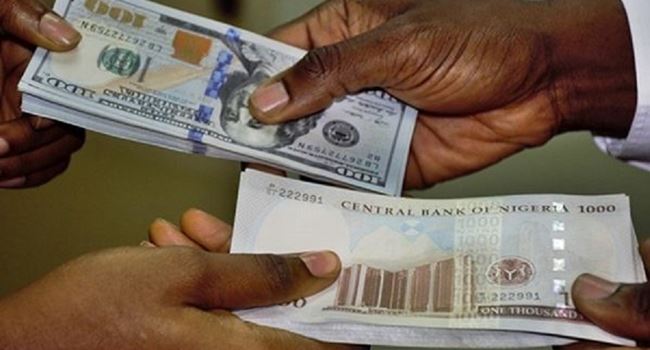
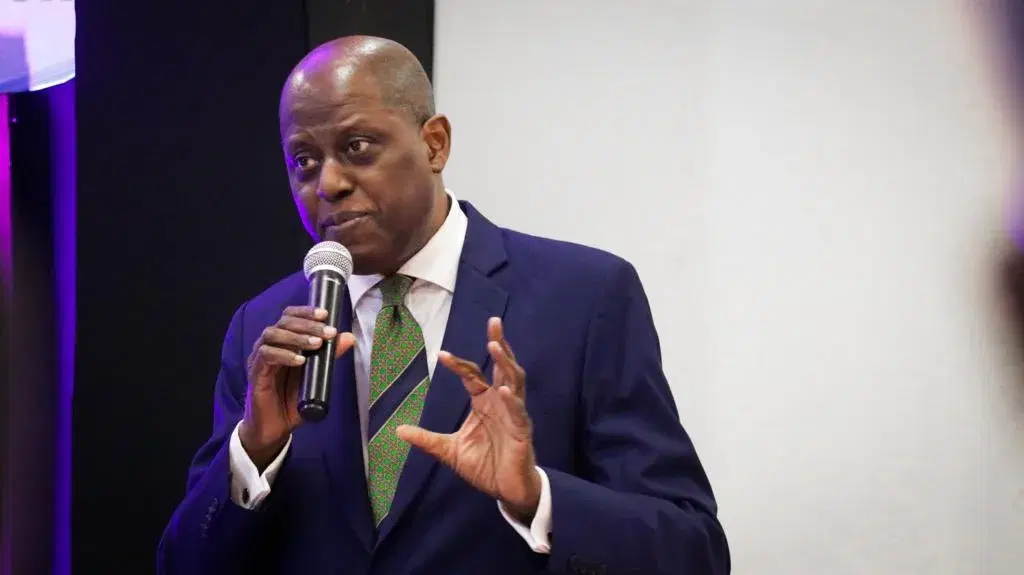
Nigeria's external reserves have reached about $52 billion, a significant increase from roughly $3 billion in net reserves when the current leadership took over, Central Bank Governor Olayemi Cardoso announced. He attributed this turnaround to recent economic reforms that have successfully restored investor confidence and stabilized the foreign exchange market.
We have moved from a market characterised by uncertainty and multiple exchange rates to one where those distortions have disappeared. Today, the multiple exchange windows have been collapsed.
Cardoso highlighted the transformation of the foreign exchange market, moving from a state of uncertainty and multiple exchange rates to a unified window. "The numbers speak for themselves," he stated, emphasizing the substantial growth in reserves. He noted the "enormous interest" from foreign investors who are closely monitoring the country's economic stability.
The numbers speak for themselves. As of yesterday, we were hovering at about $52 billion in reserves. When we started, net reserves were in the region of about $3 billion. Today, our net reserves are in the $40 billion range.
The Governor urged Nigerian business leaders to capitalize on the emerging investment opportunities, warning against complacency. "They should not be afraid or assume things are still the way they used to be. That would be the biggest mistake they could make," he advised.
My hope is that our own business leaders and CEOs will recognise this. They should not be afraid or assume things are still the way they used to be. That would be the biggest mistake they could make.
Looking ahead, Cardoso expressed confidence that the ongoing banking sector recapitalization will position lenders to drive the country's next phase of economic growth. He believes this will lead to increased lending to the private sector, despite initial concerns about banks focusing on government securities. He asserted that stronger capital requirements, coupled with close supervision, will ensure the resilience of Nigerian banks, which he described as dominating the African continent.
Our banks more or less dominate the African continent, and with that come the responsibility to maintain adequate capital.
DistantNews Editorial
Originally published by Vanguard in English. Translated, summarized, and contextualized by our editorial team with added local perspective. Read our editorial standards.
More Stories



From Our Blog

How the Same Story Looks Different in Different Countries

What Gets Lost (and Found) When News Is Translated

The Critical Role of Diaspora Media in Global News

What Travellers Should Know About Countries with Restricted Press

A Digital Nomad's Guide to Following Local News
