


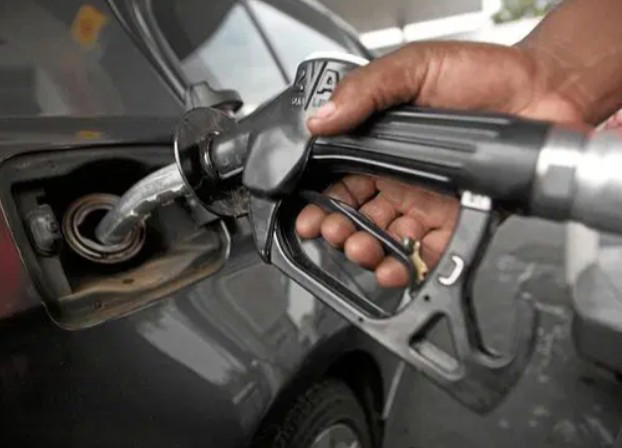
Nigeria's FCCPC Warns Oil Marketers Over High Petrol Prices Amid Falling Crude Costs
Translated from English, summarized and contextualized by DistantNews.
At a glance
News
Official statement
New plan
- The Nigerian Competition and Consumer Protection Commission (FCCPC) warned oil marketers against exploiting consumers as petrol prices remain high despite falling global crude oil costs.
- Global crude oil prices have dropped to around $73 per barrel, down from $120 during recent Middle East tensions, yet Nigerian retail prices remain near ₦1,200 per liter.
- The FCCPC stated that while it does not regulate prices in the deregulated market, it is responsible for preventing unfair and exploitative practices, questioning the delayed benefit to consumers from falling oil prices.
Nigeria's Federal Competition and Consumer Protection Commission (FCCPC) has issued a stern warning to oil marketers, accusing them of exploiting consumers by maintaining high petrol prices. The commission highlighted that current retail prices do not reflect the significant drop in global crude oil costs.
The FCCPC's surveillance of the downstream petroleum sector revealed that reductions in petrol prices by refiners, depot operators, and marketers have been minimal, despite a sustained fall in crude oil prices. Global crude oil prices have reportedly fallen to about $73 per barrel, a sharp decrease from the $120 per barrel seen during heightened Middle East tensions in April and May. At that time, Nigerian petrol prices rose to between ₦1,350 and ₦1,500 per liter. Now, with crude prices back to February levels, petrol is still selling for an average of ₦1,200 per liter, with some local refiners setting ex-depot prices between ₦1,025 and ₦1,075 per liter.
To be clear, the Commission does not regulate or approve petroleum prices in a deregulated downstream market. Our responsibility under the Federal Competition and Consumer Protection Act, 2018, is to promote competitive markets, prevent anti-competitive conduct and protect consumers from unfair, deceptive and exploitative business practices.
While acknowledging factors like refining costs, foreign exchange, and logistics influence domestic prices, the FCCPC stressed that consumers should benefit from lower crude oil prices through competitive pricing. Executive Vice Chairman Tunji Bello clarified that the commission does not regulate prices in Nigeria's deregulated downstream sector. However, he asserted the FCCPC's statutory duty to protect consumers from unfair and exploitative practices.
Bello questioned the disparity in market responsiveness, noting that marketers quickly increase prices when crude oil costs rise but are slow to pass on benefits when prices fall. "Competitive markets must work fairly in both directions," he stated, emphasizing that deregulation does not absolve businesses of their responsibility to consumers.
We are concerned that while dealers often respond swiftly by hiking pump prices whenever crude prices rise, it is curious that it is taking forever for consumers to benefit significantly when crude prices fall. Competitive markets must work fairly in both directions.
DistantNews Editorial
Originally published by Vanguard in English. Translated, summarized, and contextualized by our editorial team with added local perspective. Read our editorial standards.
More Stories


From Our Blog

How the Same Story Looks Different in Different Countries

What Gets Lost (and Found) When News Is Translated

The Critical Role of Diaspora Media in Global News

What Travellers Should Know About Countries with Restricted Press

A Digital Nomad's Guide to Following Local News
