


Nigeria’s health insurance enrollment rises, but coverage gap remains
Translated from English and summarized by DistantNews. Read the original for the full story.
At a glance
Analysis
Named sources
Context piece
- Nigeria’s National Health Insurance Authority reported 22.03 million enrollees by July 2026, up 35% from a year earlier.
- State-backed schemes accounted for 9.74 million beneficiaries in the fourth quarter of 2025, exceeding enrollment in NHIA-managed programs.
- Experts said low and unstable incomes, limited provider networks and weak public trust continue to obstruct universal health coverage.
Nigeria has pushed health insurance enrollment above 22 million, yet a large share of the population still faces medical bills without coverage.
The National Health Insurance Authority said 22.03 million people were enrolled by July 2026, a 35% increase from the previous year. The rise reflects greater participation in federal and state programs as the government accelerates implementation of mandatory insurance under the NHIA Act.
State social health insurance agencies have become major drivers of the expansion. The NHIA’s fourth-quarter 2025 dashboard recorded 9.74 million beneficiaries in state schemes, compared with 7.07 million in programs managed by the authority. The increase, however, has not closed the gap for low-income households and informal-sector workers, who often pay directly when they need treatment.
That reliance on out-of-pocket payments can expose families to catastrophic health spending. The NHIA Act, signed in 2022, replaced the former national insurance scheme and created a framework intended to extend coverage to Nigerians and legal residents. State agencies are expected to establish equity funds for poor and vulnerable residents.
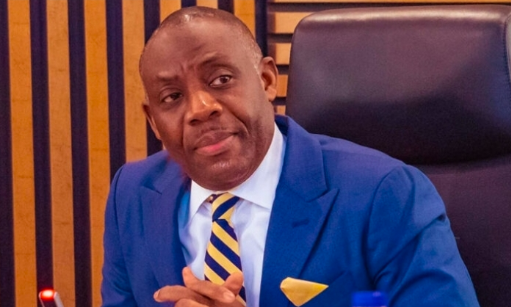
Industry stakeholders said enrollment growth alone will not deliver universal coverage. Moyosore Olomola, managing director and chief executive of SUNU Health Nigeria, rejected the idea that Nigerians simply do not value insurance. “The obstacles are structural, not attitudinal, and I want to push back on the narrative that Nigerians simply do not value health insurance. The evidence does not support that. What we see at SUNU Health is that when the product is accessible, affordable and claims are settled promptly, people enrol and they renew.” He identified income volatility, inadequate provider networks and low public trust as the main barriers to wider enrollment.
The obstacles are structural, not attitudinal, and I want to push back on the narrative that Nigerians simply do not value health insurance. The evidence does not support that. What we see at SUNU Health is that when the product is accessible, affordable and claims are settled promptly, people enrol and they renew.
About this summary
Originally published by The Punch in English. Translated, summarized, and contextualized automatically by DistantNews, with a note on how the source frames the story. Not individually reviewed before publishing. How this works.
More Stories


From Our Blog

How the Same Story Looks Different in Different Countries

What Gets Lost (and Found) When News Is Translated

The Critical Role of Diaspora Media in Global News

What Travellers Should Know About Countries with Restricted Press

A Digital Nomad's Guide to Following Local News
