


Nigeria's Missing Births: Hospitals Key to Registering 3.5 Million Uncounted Children
Translated from English, summarized and contextualized by DistantNews.
At a glance
News
Named sources
Context piece
- Nigeria faces a significant gap in birth registration, with an estimated 3.5 million children lacking official records.
- These children, though alive and integrated into communities, are invisible to the state, hindering their access to services and rights.
- Experts emphasize registering births at the point of delivery within hospitals and health facilities as a crucial step to close this gap.
While the birth of a child is a moment of immense joy, for millions of Nigerian children, the subsequent step of official registration remains a significant hurdle.
I asked if they had a desk where I could register the birth of my child
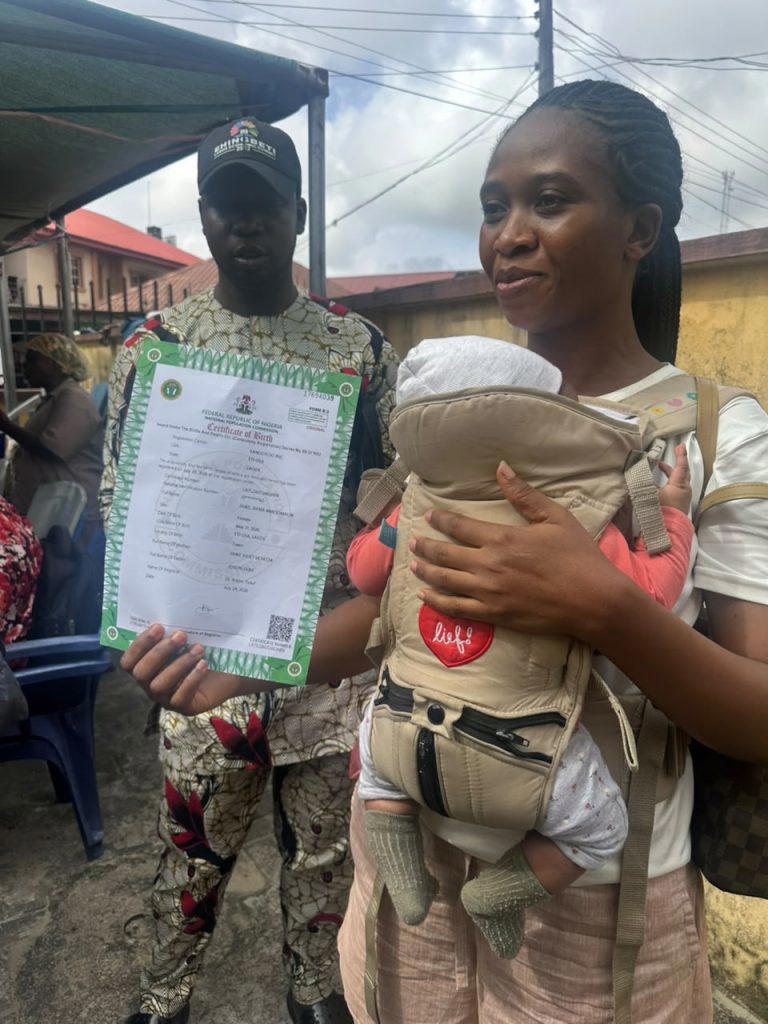
Emmanuel Joseph's experience highlights the ideal scenario: within minutes of his daughter's birth, he sought and completed the necessary paperwork for her birth certificate at a hospital registration unit. He understood the document's importance, stating, "It shows that the child is a Nigerian and can be budgeted for and counted. She will need it all through her life."
She asked if I really had a name for my child because the child would not be registered if I did not have a name.
However, this straightforward process is far from universal. Across several Nigerian states, an estimated 3.5 million children are not registered at birth. These children are not missing or abandoned; they live within their communities, attend clinics, and are loved by their families, yet they remain "invisible to their state and the country," according to Celine Lafoucriere, Chief of UNICEF Lagos Field Office.
They were also surprised that I came for a child that the nurses were still busy cleaning up
The contradiction is stark: a child can be born in a health facility, attended by medical professionals, yet leave without a legal identity. Health facilities are uniquely positioned to bridge this gap. As the first point of contact for many newborns, they have immediate access to the child, the mother, and the family at a critical moment. Establishing registration desks within these facilities could ensure that every child's existence is officially acknowledged from the outset, securing their rights and enabling the state to plan and provide for its entire population.
It shows that the child is a Nigerian and can be budgeted for and counted. She will need it all through her life
DistantNews Editorial
Originally published by Vanguard in English. Translated, summarized, and contextualized by our editorial team with added local perspective. Read our editorial standards.
More Stories



From Our Blog

How the Same Story Looks Different in Different Countries

What Gets Lost (and Found) When News Is Translated

The Critical Role of Diaspora Media in Global News

What Travellers Should Know About Countries with Restricted Press

A Digital Nomad's Guide to Following Local News
