


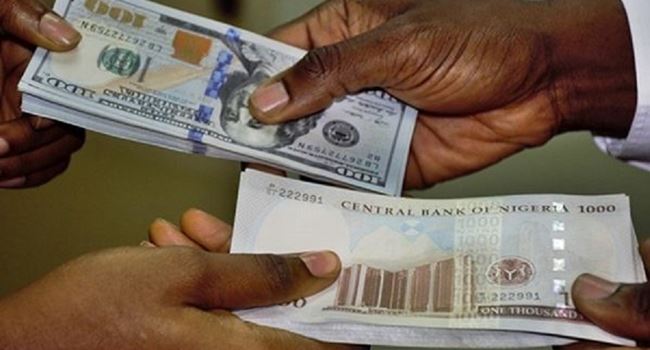
Nigerian Naira Depreciates in Parallel Market Amidst Official Appreciation
Translated from English, summarized and contextualized by DistantNews.
At a glance
News
Documents & data
Context piece
- The Nigerian Naira depreciated against the US dollar in the parallel market, falling to N1,420 from N1,408.
- In contrast, the Naira appreciated in the official Nigerian Foreign Exchange Market (NFEM), reaching N1,362 per dollar.
- The widening gap between the parallel and official exchange rates, now N58 per dollar, indicates increased pressure on the currency.
Nigeria's currency, the Naira, experienced a significant depreciation in the parallel market, weakening to N1,420 against the US dollar on Tuesday, down from N1,408 the previous day. This marks a continued trend of volatility for the nation's currency.
However, the situation presented a contrasting picture in the official Nigerian Foreign Exchange Market (NFEM). Here, the Naira saw an appreciation, trading at N1,362 per dollar. Data from the Central Bank of Nigeria (CBN) indicated a N3 gain for the Naira in this market, moving from N1,365 per dollar on Monday.
Despite the slight gain in the official market, the widening disparity between the parallel and official exchange rates is a cause for concern. The margin between the two markets expanded to N58 per dollar on Tuesday, up from N43 per dollar on Monday. This growing gap often reflects underlying economic pressures and can impact businesses and foreign investment.
Further data from the NFEM showed an increase in interbank turnover, rising by 13.97 percent to N156.2 million on Tuesday from N137.05 million on Monday. This suggests increased activity within the official foreign exchange market, though it does not negate the downward pressure observed in the parallel market.
DistantNews Editorial
Originally published by Vanguard in English. Translated, summarized, and contextualized by our editorial team with added local perspective. Read our editorial standards.
More Stories


From Our Blog

How the Same Story Looks Different in Different Countries

What Gets Lost (and Found) When News Is Translated

The Critical Role of Diaspora Media in Global News

What Travellers Should Know About Countries with Restricted Press

A Digital Nomad's Guide to Following Local News
