


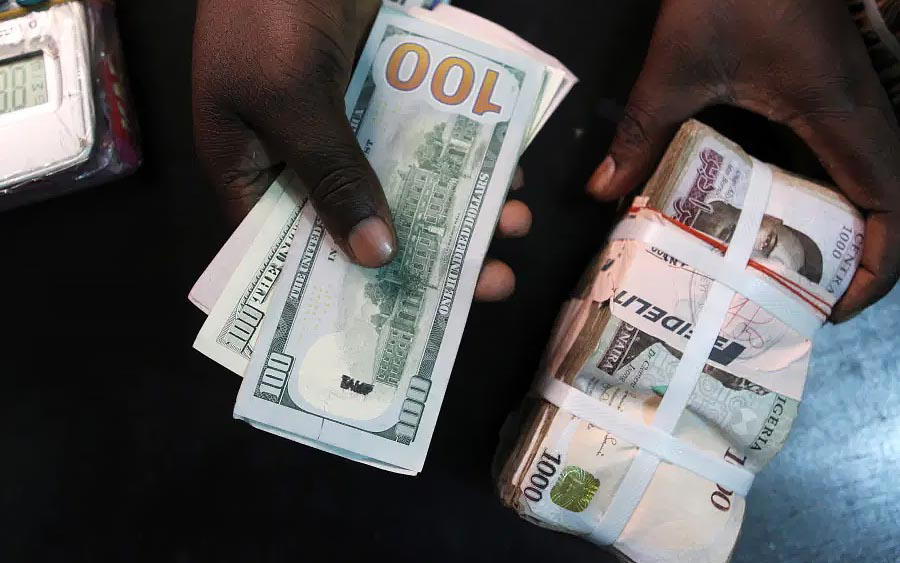
Nigerian Naira Holds Steady Against US Dollar Amidst Forex Reforms
Translated from English, summarized and contextualized by DistantNews.
At a glance
News
Sources not specified
New plan
- The Nigerian naira remained stable against the US dollar on July 27, 2026, with official rates near ₦1,362/$1 and parallel market rates around ₦1,375/$1.
- The Central Bank of Nigeria continues foreign exchange reforms to boost liquidity and investor confidence.
- The Monetary Policy Committee recently kept the interest rate at 26.5% amid global economic uncertainties.
The Nigerian naira held steady against the US dollar on Monday, July 27, 2026. Trading at the official Nigerian Foreign Exchange Market (NFEM) saw the rate close at ₦1,362.09/$1 on July 24, the latest available data. Daily fluctuations showed a high of ₦1,365.00/$1 and a low of ₦1,359.00/$1.
The Nigerian naira maintained a relatively stable position against the United States dollar across the official Nigerian Foreign Exchange Market (NFEM) and the parallel market as trading opened on Monday, July 27, 2026.
In the parallel market, often called the black market, the dollar traded around ₦1,350 for buying and ₦1,375 for selling on Monday morning. The narrow gap between official and parallel market rates indicates a continued convergence, a contrast to wider disparities seen in prior years.
The difference between the official and parallel market rates remained relatively narrow, reflecting continued convergence between both markets compared with the wider gaps seen in previous years.
The Central Bank of Nigeria is actively pursuing foreign exchange reforms. These measures aim to improve market liquidity, enhance investor confidence, and foster greater stability for the naira. The Monetary Policy Committee recently decided to maintain the Monetary Policy Rate at 26.5%, citing global economic uncertainties and the necessity of sustaining macroeconomic stability.
The Central Bank of Nigeria has continued to implement foreign exchange reforms aimed at improving liquidity, boosting investor confidence and supporting greater stability in the naira.
Exchange rates in the parallel market can fluctuate based on location, demand, supply, and transaction volumes among Bureau De Change operators.
Last week, the Monetary Policy Committee also retained the Monetary Policy Rate at 26.5 per cent, citing prevailing global economic uncertainties and the need to sustain macroeconomic stability.
DistantNews Editorial
Originally published by Vanguard in English. Translated, summarized, and contextualized by our editorial team with added local perspective. Read our editorial standards.
More Stories



From Our Blog

How the Same Story Looks Different in Different Countries

What Gets Lost (and Found) When News Is Translated

The Critical Role of Diaspora Media in Global News

What Travellers Should Know About Countries with Restricted Press

A Digital Nomad's Guide to Following Local News
