


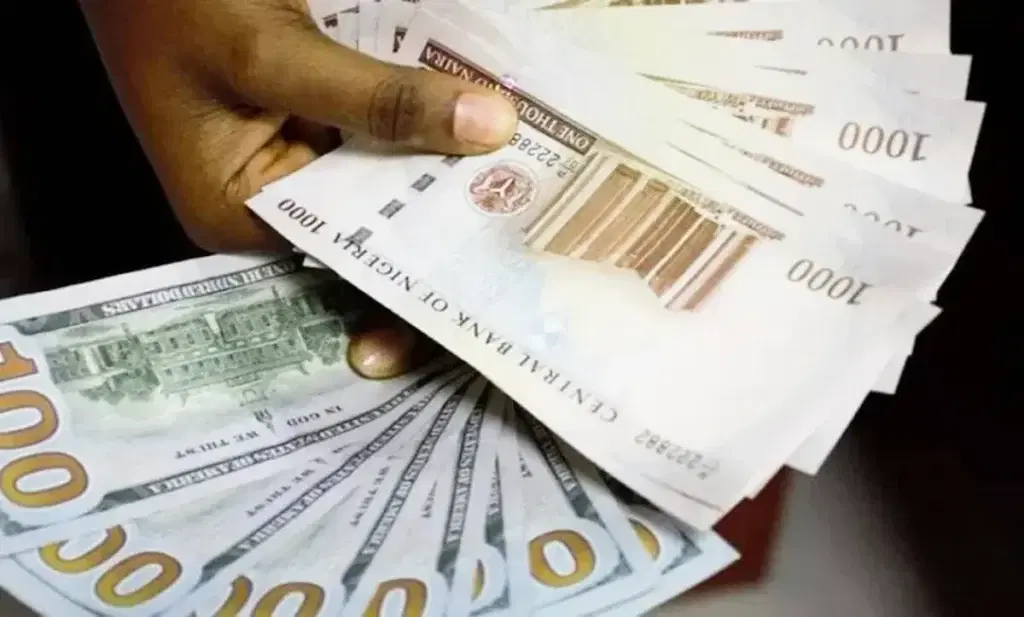
Nigerian Naira Holds Steady Against US Dollar on July 23, 2026
Translated from English, summarized and contextualized by DistantNews.
At a glance
News
Sources not specified
Context piece
- The Nigerian naira remained stable against the US dollar on July 23, 2026, in both official and parallel markets.
- The official exchange rate was approximately ₦1,371.36 per dollar, while the parallel market traded around ₦1,405 to ₦1,410.
- The exchange rate gap reflects ongoing foreign exchange liquidity and demand pressures in Nigeria.
The Nigerian naira maintained a steady position against the US dollar on Thursday, July 23, 2026. Across the official Nigerian Foreign Exchange Market (NFEM), the naira was valued at approximately ₦1,371.36 to one US dollar. This rate is determined by transactions within the Central Bank of Nigeria's foreign exchange system. Concurrently, the parallel market, often called the black market, saw the dollar trading at about ₦1,405 for buying and ₦1,410 for selling. This indicates a premium in the parallel market, driven by demand and supply dynamics outside the regulated foreign exchange window. The difference between the official and parallel market rates serves as a key indicator of Nigeria's foreign exchange liquidity and demand pressures. While recent reforms have helped narrow this spread, the parallel market remains crucial for many businesses and individuals when official dollar supplies are insufficient. Exchange rates are dynamic and can fluctuate throughout the trading day based on market conditions, transaction volumes, and the availability of foreign exchange. Rates in the parallel market may also show slight variations across different cities and dealers.
DistantNews Editorial
Originally published by Vanguard in English. Translated, summarized, and contextualized by our editorial team with added local perspective. Read our editorial standards.
More Stories



From Our Blog

How the Same Story Looks Different in Different Countries

What Gets Lost (and Found) When News Is Translated

The Critical Role of Diaspora Media in Global News

What Travellers Should Know About Countries with Restricted Press

A Digital Nomad's Guide to Following Local News
