


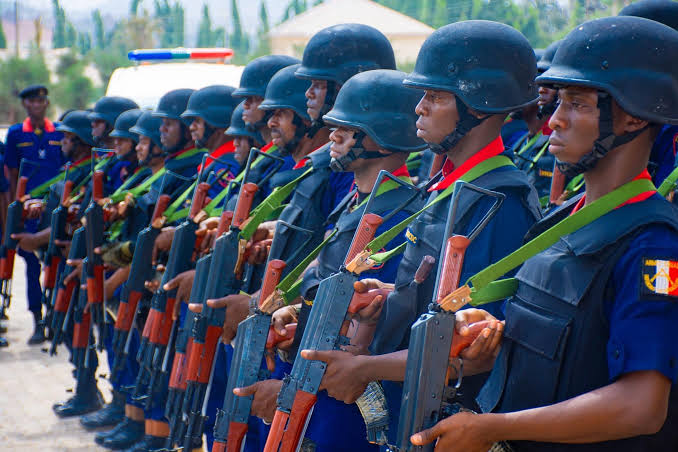
Nigerian paramilitary recruitment: FG announces oral interview dates
Translated from English and summarized by DistantNews. Read the original for the full story.
At a glance
News
Sources not specified
New plan
- The Civil Defence, Correction, Fire and Immigration Services Board (CDCFIB) has announced dates for oral interviews.
- These interviews are for candidates who passed the physical and medical screenings for paramilitary recruitment.
- The recruitment drive is for the Nigerian Correctional Service, Nigeria Immigration Service, Federal Fire Service, and Nigeria Security and Civil Defence Corps.
The Federal Government of Nigeria, through the Civil Defence, Correction, Fire and Immigration Services Board (CDCFIB), has officially announced the schedule for the oral interview stage of its ongoing paramilitary recruitment exercise. This announcement concerns candidates who successfully navigated the preceding physical and medical screening phases.
The recruitment drive aims to fill positions within several key federal agencies: the Nigerian Correctional Service (NCOS), the Nigeria Immigration Service (NIS), the Federal Fire Service (FFS), and the Nigeria Security and Civil Defence Corps (NSCDC). The board's notification serves as a crucial update for thousands of applicants who have progressed through the initial stages of the competitive selection process.
Candidates are advised to stay informed about the specific dates and venues for their oral interviews, as these details are essential for the next step in their application journey. The CDCFIB's announcement signifies a move towards the final stages of selecting qualified individuals to serve in these vital national security and public service roles.
This recruitment process is a significant undertaking by the FG to bolster the ranks of its paramilitary forces, ensuring adequate personnel for maintaining law and order, border security, and emergency services across the country.
About this summary
Originally published by Vanguard in English. Translated, summarized, and contextualized automatically by DistantNews, with a note on how the source frames the story. Not individually reviewed before publishing. How this works.
More Stories



From Our Blog

How the Same Story Looks Different in Different Countries

What Gets Lost (and Found) When News Is Translated

The Critical Role of Diaspora Media in Global News

What Travellers Should Know About Countries with Restricted Press

A Digital Nomad's Guide to Following Local News
