


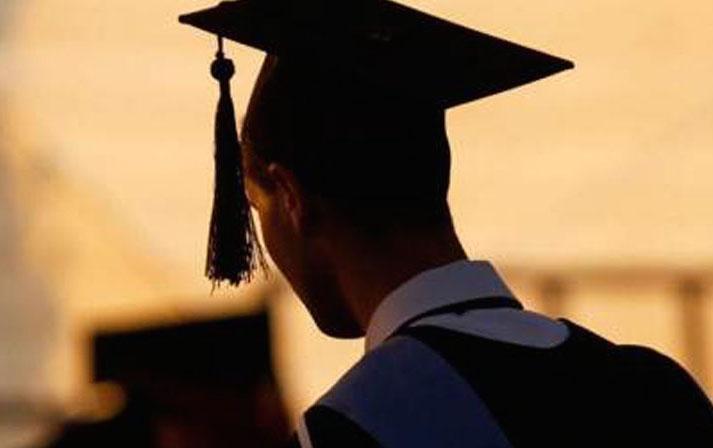
Nigerians affected as US tightens student visa rules, enrolment drops
Summarized and contextualized by DistantNews.
At a glance
News
Named sources
Context piece
- International student enrollment in US colleges fell 17% in autumn 2025 compared to the previous year, with applications also dropping significantly.
- Tighter immigration policies, visa restrictions, and uncertainty surrounding student visas are cited as reasons for the decline.
- The drop could cost US local economies $3.4 billion and put up to 40,000 jobs at risk.
The number of international students beginning their studies in the United States has sharply declined amid tighter immigration policies and growing uncertainty around student visas. New data indicates that new international student enrollment in US colleges in autumn 2025 fell by 17 percent compared to the previous year, according to CNBC.
The decline could deepen in the coming academic year, with international applications also recording a significant drop.
The decline is expected to deepen in the coming academic year, with international applications also recording a significant drop. Data from the US Department of State and the Institute of International Education shows the fall in new international enrollment is linked to changes in immigration policies, visa restrictions, and general uncertainty about the future for international students in the country. The Common App reported a 10 percent decrease in international applicants for the 2026-27 academic year, marking the steepest fall in its recorded data.
The Common App also reported a 10 per cent decline in international applicants for the 2026-27 academic year, describing it as the steepest fall recorded in its data.
The decline is particularly pronounced among applicants from Asia and Africa, potentially affecting prospective Nigerian students. The Common App noted fewer international students are creating accounts on its platform, suggesting a continued shrinking pipeline. These changes coincide with the US government introducing stricter rules for international students, including a proposed four-year cap on F-1 and J-1 student stays, and facing delays and limited availability of visa appointments.
The impact would not be evenly distributed across US universities.
Experts predict that highly ranked institutions like Harvard and Stanford will likely remain attractive due to their large applicant pools. However, mid-ranked private universities and regional public institutions heavily reliant on international students could face significant financial pressure. Fitch Ratings has warned that universities with large graduate and STEM programs might encounter challenges under the new visa rules, especially if students require more than four years to complete their studies. The potential decrease in international students, who often pay full tuition or receive less financial aid than domestic students, could significantly impact university revenues and have wider economic consequences for the US. An analysis by NAFSA estimated that falling international student numbers could cost local economies approximately $3.4 billion and jeopardize up to 40,000 jobs.
universities with large graduate and STEM programmes could face challenges under the new visa rules, particularly where students require more than four years to complete their programmes.
DistantNews Editorial
Originally published by Vanguard. Summarized and contextualized by our editorial team with added local perspective. Read our editorial standards.
More Stories


From Our Blog

How the Same Story Looks Different in Different Countries

What Gets Lost (and Found) When News Is Translated

The Critical Role of Diaspora Media in Global News

What Travellers Should Know About Countries with Restricted Press

A Digital Nomad's Guide to Following Local News
