


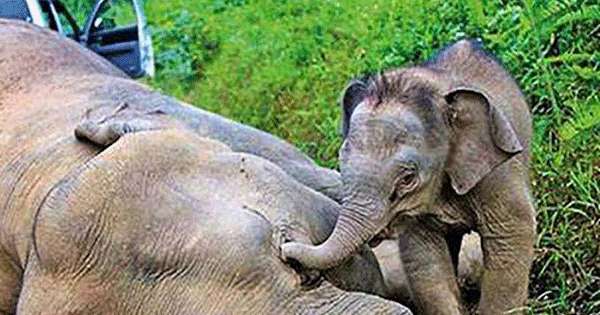
Nine Killed by Elephants, 13 Elephants Killed by Humans in Sri Lanka's Kurunegala District This Year
Translated from Sinhala, summarized and contextualized by DistantNews.
At a glance
News
Sources not specified
Context piece
- Nine people have been killed by elephants and 13 elephants have been killed by humans in the Kurunegala district of Sri Lanka this year.
- In the past week alone, three people died from elephant attacks.
- Residents attribute the human-wildlife conflict to deforestation and encroachment on elephant habitats.
The Kurunegala district in Sri Lanka is facing a severe human-wildlife conflict, with recent statistics revealing a grim toll. From January to August of this year, nine people have lost their lives due to elephant attacks, while 13 elephants have been killed by humans, according to Kurunegala District Secretary Chandana Disanayake.
In the last week alone, three individuals were killed in separate elephant attacks. Among the recent victims were Kobai-gane Gunaratana Thero, a monk residing at the Athdathgala Aranya Senasanaya in Galgamuwa, and M.R. Sarath Kumara Manchanayake (44), a village officer in Nelumpeth Wewa, Ambanpola, who was farming at the time of the attack. P.H. Gamini (40), a bachelor residing in the Nallachchiya village in Galgamuwa, also fell victim to a wild elephant attack while engaged in farming.
Local residents express deep sorrow over the loss of innocent lives, both human and elephant. They point to the daily discovery of elephant carcasses across the island as a tragic aspect of this escalating conflict. The primary drivers of this crisis, according to the community, are extensive deforestation and the encroachment upon elephant habitats.
Residents explain that the loss of elephants' natural habitats, coupled with shortages of food and water, forces the animals to venture into villages. This leads to crop destruction, damage to property, and the loss of human lives. They emphasize that the clearing of forests and the cultivation of lands within elephant corridors are directly contributing to these dangerous encounters.
DistantNews Editorial
Originally published by Lankadeepa in Sinhala. Translated, summarized, and contextualized by our editorial team with added local perspective. Read our editorial standards.
More Stories



From Our Blog

What Gets Lost (and Found) When News Is Translated

The Critical Role of Diaspora Media in Global News

What Travellers Should Know About Countries with Restricted Press

A Digital Nomad's Guide to Following Local News

How the Same Story Looks Different in Different Countries
