


No nation can finance its development on external dependence alone, FG
Translated from English, summarized and contextualized by DistantNews.
At a glance
News
Named sources
Context piece
- Nigeria's Finance Minister stated that no nation can solely finance its development through external dependence.
- He emphasized that while aid and foreign investment are important, they cannot replace a country's capacity to generate and manage its own public resources.
- The minister highlighted Nigeria's Integrated National Financing Framework (INFF) as a new approach to mobilizing and aligning financing with national priorities for sustainable development.
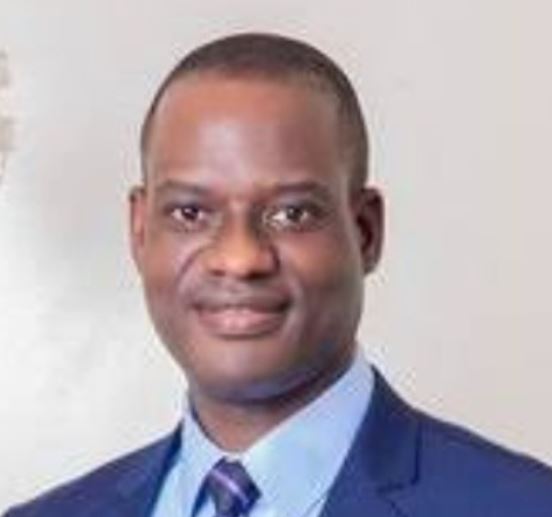
Nigeria's Finance Minister, Taiwo Oyedele, asserted that national development cannot be sustained by external dependence alone, emphasizing the critical need for a robust domestic capacity to generate, manage, and deploy public resources. Speaking at a capacity-building session in Abuja focused on Nigeria's Integrated National Financing Framework (INFF) for Sustainable Development Goals (SDGs), Oyedele noted that traditional financing sources are increasingly constrained.
Africa faces a significant financing gap in meeting the Sustainable Development Goals and the aspirations of Agenda 2063.
"Africa faces a significant financing gap in meeting the Sustainable Development Goals and the aspirations of Agenda 2063," Oyedele stated. He acknowledged that while aid and foreign investment play complementary roles, they are insufficient substitutes for sovereign financial capabilities. The minister framed the current financing challenges not as a cause for despair but as an opportunity to innovate how development is financed, ensuring all capital aligns with national priorities.
The Integrated National Financing Framework is not bureaucratic nomenclature. It is a fundamentally different way of thinking about how nations mobilise, align and deploy financing for sustainable development.
Oyedele introduced the INFF as a transformative approach to development financing. "The Integrated National Financing Framework is not bureaucratic nomenclature. It is a fundamentally different way of thinking about how nations mobilise, align and deploy financing for sustainable development," he explained. He stressed that the future of development financing hinges less on the sheer volume of available resources and more on the effectiveness of their mobilization, alignment, and deployment in support of national objectives.
As we continue to pursue the aspirations of the 2030 Agenda for Sustainable Development and our national development priorities, the question of sustainable and adequate financing remains central to our collective achievement.
Princess Adejoke Orelope-Adefulire, the Senior Special Assistant to the President on SDGs, echoed the minister's sentiments, highlighting the workshop's timeliness. She pointed out that achieving sustainable development outcomes significantly depends on the fiscal and institutional capacity of sub-national governments, which are at the forefront of delivering essential public services. The session, which included participants from Ethiopia reviewing Nigeria's INFF, underscored Nigeria's willingness to share its experiences and learn from international counterparts.
While significant efforts have been made at the national level to mobilise resources for development, it is increasingly evident that the achievement of sustainable development outcomes depends substantially on the fiscal and institutional capacity, as well as the financial resilience, of our sub-national governments.
DistantNews Editorial
Originally published by Vanguard in English. Translated, summarized, and contextualized by our editorial team with added local perspective. Read our editorial standards.
More Stories


From Our Blog

How the Same Story Looks Different in Different Countries

What Gets Lost (and Found) When News Is Translated

The Critical Role of Diaspora Media in Global News

What Travellers Should Know About Countries with Restricted Press

A Digital Nomad's Guide to Following Local News
