

No One Should Be Indispensable in a Democracy, Not Even Popular Politicians
Translated from Danish, summarized and contextualized by DistantNews.
At a glance
Opinion
Sources not specified
Context piece
- This is a debate piece arguing that no one, not even popular politicians, should be indispensable in a democracy.
- It reflects on the long tenure of politician Bertel Haarder, who served for over 42 years in the Danish parliament.
- The author suggests that a politician's deep immersion in the political system can lead to a disconnect from broader society.
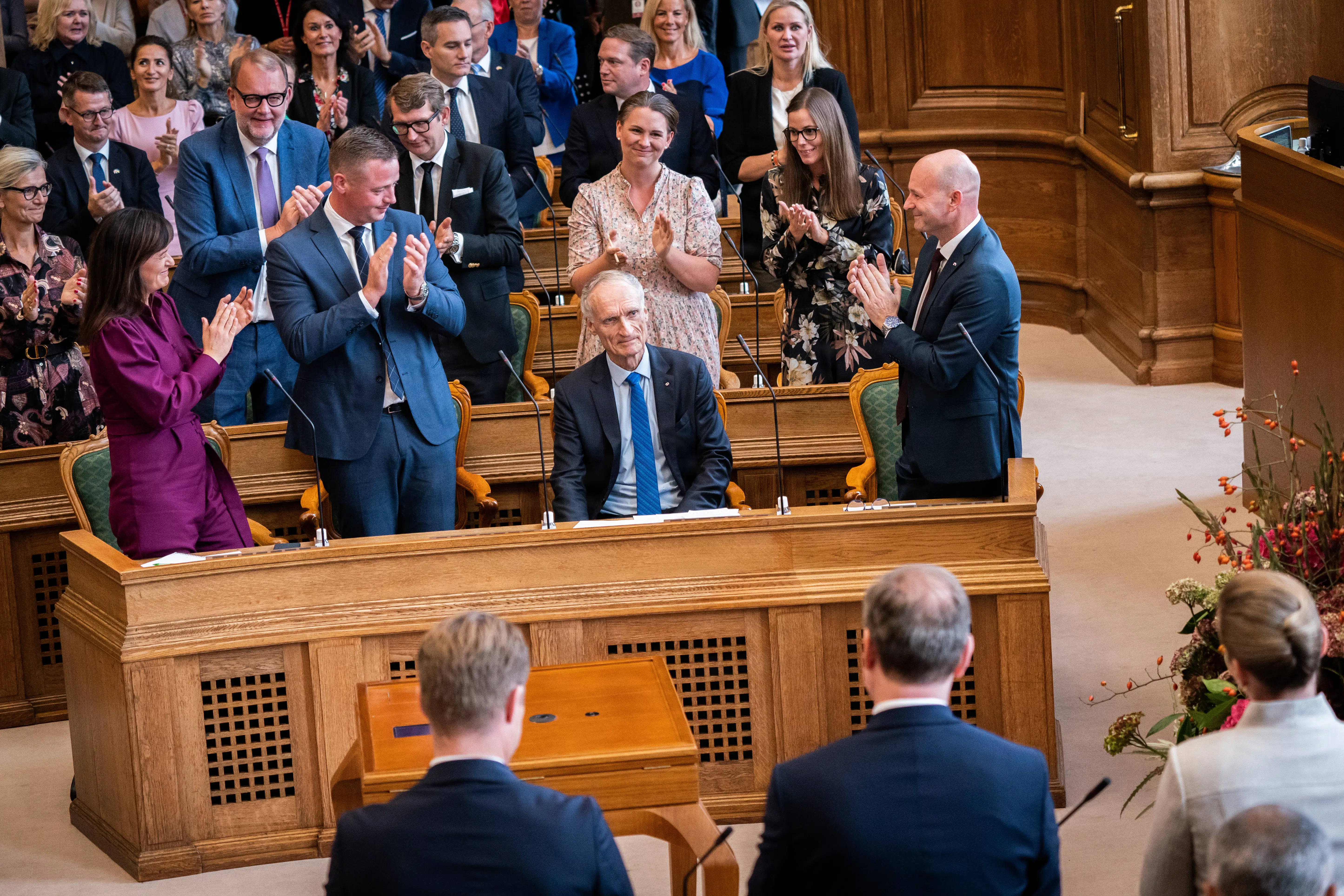
In a democracy, the principle of indispensability should not apply to anyone, including politicians who enjoy voter approval, argues this opinion piece. The author uses the example of Bertel Haarder, the longest-serving living member of the Danish parliament (Folketing), who recently announced he would not seek re-election after 42 years, 4 months, and 18 days in office.
Haarder received a standing ovation for his long service, highlighting his popularity and the appreciation for his dedication. However, the article posits that a politician's prolonged career, especially when spent entirely within the political sphere like Christiansborg (the seat of the Danish Parliament), can lead to an insular worldview.
While not suggesting a complete loss of contact with society, the piece implies that a politician's daily experiences, social circles, and overall perspective increasingly stem from the very system they operate within. This can potentially create a disconnect from the realities faced by the general populace.
The article touches upon the fact that there is technically no limit to how long a member of parliament can serve. Individuals can be elected at a young age and continue their political careers well into retirement. This raises questions about the long-term effects of such sustained political careers on representation and democratic vitality.
The piece is framed as a debate, emphasizing the writer's personal viewpoint on the nature of political service and representation within a democratic framework. It encourages reflection on the balance between experienced leadership and the need for fresh perspectives and broader societal connection within the political system.
DistantNews Editorial
Originally published by Berlingske in Danish. Translated, summarized, and contextualized by our editorial team with added local perspective. Read our editorial standards.
More Stories


From Our Blog

What Gets Lost (and Found) When News Is Translated

The Critical Role of Diaspora Media in Global News

What Travellers Should Know About Countries with Restricted Press

A Digital Nomad's Guide to Following Local News

How the Same Story Looks Different in Different Countries
