

“Nobody talks about alcoholic women”
Translated from German, summarized and contextualized by DistantNews.
At a glance
Interview
Sources not specified
Context piece
- The article discusses the societal silence surrounding alcoholism in women, contrasting experiences in the US with Austria and Germany.
- It highlights the personal struggles of Mollena Lee Williams-Haas with alcohol dependency and her journey through recovery.
- The piece explores the cultural differences in addressing alcohol issues and the effectiveness of support systems like Alcoholics Anonymous.
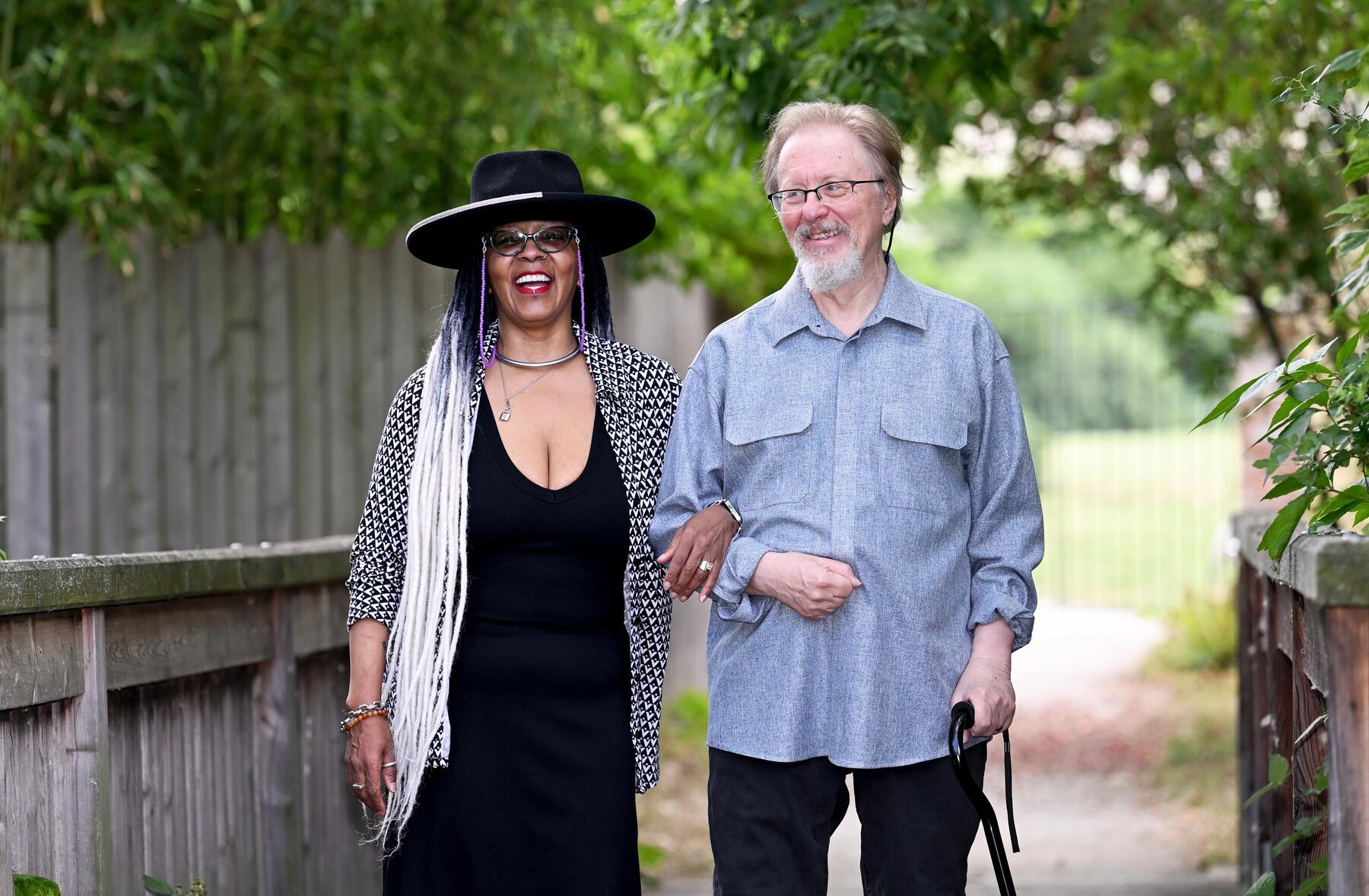
Alcoholism among women remains a largely unspoken issue, a stark contrast to the more open discussions often found in the United States. Mollena Lee Williams-Haas, an artist whose work "Hyena" delves into her past alcohol dependency, shares her experiences and observations on the differing cultural approaches to addiction.
Williams-Haas notes that while the US may openly address addiction, suggesting "You need a meeting" in a bar context, referring to Alcoholics Anonymous, it's not deeply embedded in the culture. In contrast, she finds Austria and Germany more "civilized" and "tolerable" regarding alcohol consumption, where having a few glasses of wine with dinner is common and not immediately seen as problematic. However, she points out that the difficulty in abstaining for even a day can signal dependence, a slide many experienced during the pandemic.
The typical alcoholic is male. The quantities are measured for a male physiognomy. Women react more sensitively to alcohol physically, the sex organs are strongly affected.
She recounts her own experience seeking help in the US, where lack of insurance led her to a state-run rehab center. With only two such centers on the entire West Coast serving a large population, many individuals simply continue drinking. Williams-Haas observes that Austria's drinking culture is more discreet, allowing individuals to be "mirror drinkers" and live with their addiction unnoticed for a lifetime.
It could happen that I had no period for half a year and then constant bleeding for four months: Nobody talks about that.
Williams-Haas emphasizes that her "Hyena" series, which explores her path out of addiction, resonated deeply with many women. She highlights the specific challenges women face, noting that the typical image of an alcoholic is male, and societal expectations often overlook women's struggles. The physical impact of alcohol on women, including severe menstrual disruptions, is rarely discussed, contributing to the silence surrounding female alcoholism.
Through her art, Williams-Haas uses storytelling as a form of communication, believing that shared memories create immediate connections. She sees learning about others' experiences, particularly their intimate and personal stories, as the best way to understand them. This approach underscores the power of narrative in confronting societal taboos and fostering empathy, especially concerning issues like alcoholism in women.
We all tell stories, that is an ancient, universal form of communication. Even when getting to know each other for the first time, told memories can create an immediate connection between people.
DistantNews Editorial
Originally published by Die Presse in German. Translated, summarized, and contextualized by our editorial team with added local perspective. Read our editorial standards.
More Stories


From Our Blog

What Gets Lost (and Found) When News Is Translated

The Critical Role of Diaspora Media in Global News

What Travellers Should Know About Countries with Restricted Press

A Digital Nomad's Guide to Following Local News

How the Same Story Looks Different in Different Countries
