

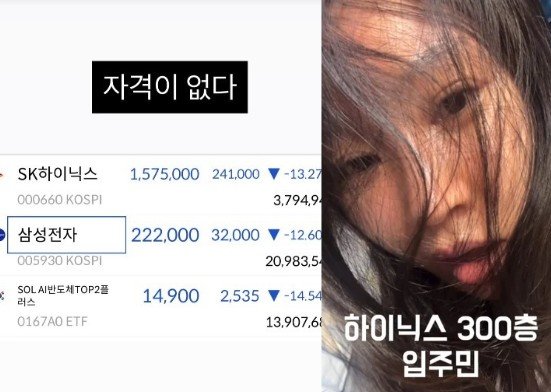

Nomura: Foreign selling and weaker NPS buying caused KOSPI plunge
Translated from Korean, summarized and contextualized by DistantNews.
At a glance
Analysis
Named sources
Context piece
- Nomura Securities attributes the recent sharp decline in the KOSPI to large-scale selling by foreign investors.
- The weakening of buying power from the National Pension Service also contributed to the market downturn.
- This analysis highlights the significant impact of institutional and foreign investor behavior on the South Korean stock market.
The recent significant drop in South Korea's KOSPI index can be primarily attributed to substantial selling pressure from foreign investors, according to Nomura Securities. The brokerage firm's analysis points to a dual impact affecting the market's performance.
In addition to the large-scale divestment by foreign entities, Nomura Securities noted that the weakening buying momentum from the National Pension Service (NPS) has also played a crucial role in exacerbating the market downturn. The NPS is a major institutional investor in South Korea, and its reduced purchasing activity can significantly influence market trends.
This analysis underscores the sensitivity of the KOSPI to the actions of major institutional players. The combined effect of foreign investors offloading shares and the NPS showing less aggressive buying indicates a shift in market sentiment or strategy among key stakeholders. The report does not specify the reasons behind these investment shifts but focuses on their observable impact on the market.
DistantNews Editorial
Originally published by Chosun Ilbo in Korean. Translated, summarized, and contextualized by our editorial team with added local perspective. Read our editorial standards.
More Stories



From Our Blog

What Gets Lost (and Found) When News Is Translated

The Critical Role of Diaspora Media in Global News

What Travellers Should Know About Countries with Restricted Press

A Digital Nomad's Guide to Following Local News

How the Same Story Looks Different in Different Countries
