


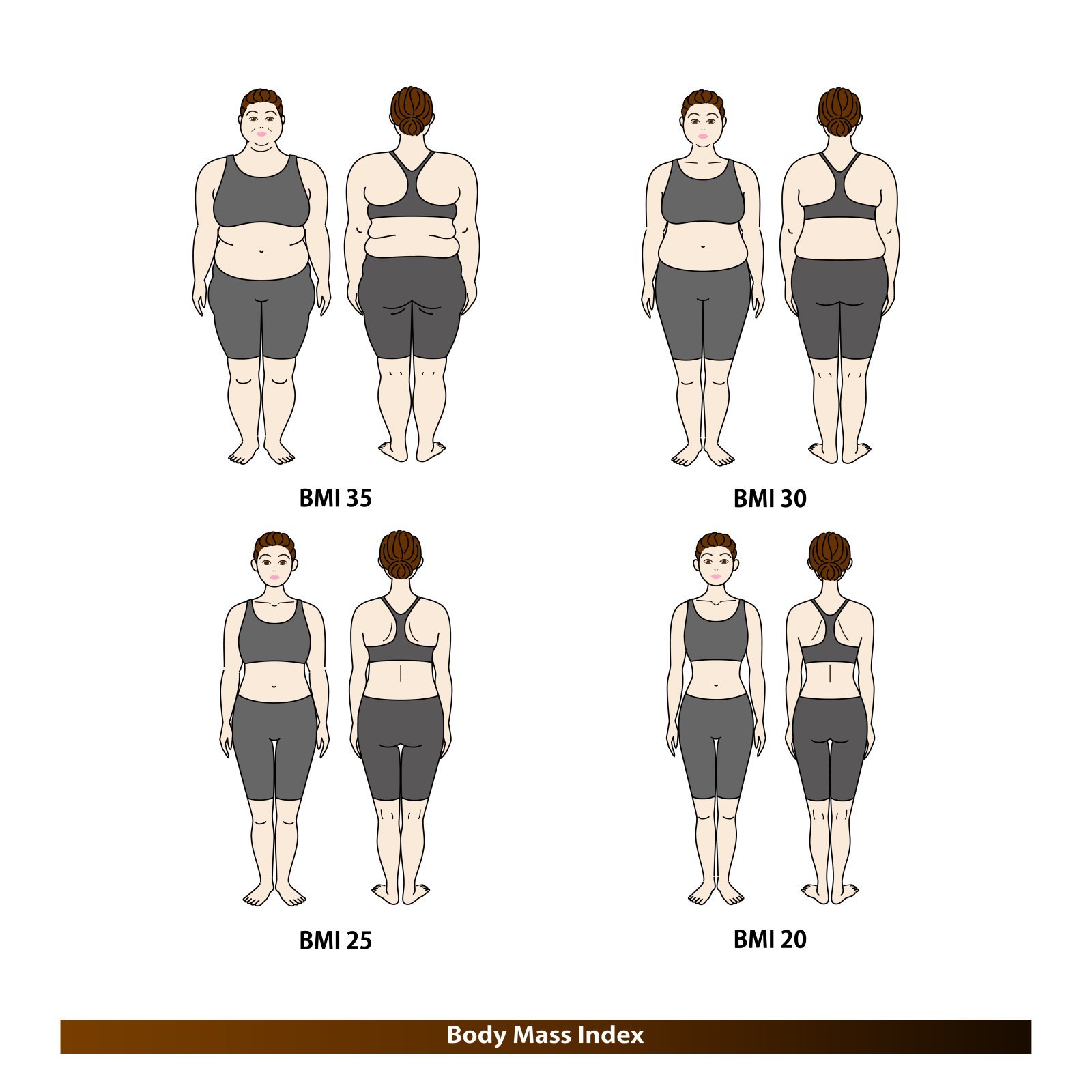
Normal BMI Doesn't Guarantee Health: 32% of Koreans at Risk of Metabolic Disease
Translated from Korean, summarized and contextualized by DistantNews.
At a glance
News
Sources not specified
Context piece
- One in three South Korean adults with a normal Body Mass Index (BMI) are at risk of metabolic diseases, according to research.
- Asian individuals, in particular, can accumulate fat in the abdomen and on organs even with normal weight, increasing risks for diabetes and heart disease.
- Researchers propose a new diagnostic system that considers body fat percentage and location, alongside BMI, to better assess health risks in Asians.
A significant portion of South Korean adults with a normal Body Mass Index (BMI) face an elevated risk of metabolic diseases, a study reveals. Researchers highlight that relying solely on BMI is insufficient, especially for Asian populations who are prone to accumulating visceral fat even at lower weights.
The study, conducted by Professor Lim Soo's research team at Seoul National University Bundang Hospital in collaboration with Asian researchers, analyzed existing BMI-centric diagnostic systems. They propose a new standard tailored for Asians, who can develop conditions like diabetes, fatty liver, and cardiovascular disease at lower BMIs due to fat accumulation around organs such as the abdomen, liver, and pancreas.
Asians can develop diabetes and fatty liver due to visceral fat and pancreatic fat accumulation, even if they are not overweight.
Data indicates that 32% of South Korean adults within the normal BMI range (18.5-22.9) are at risk for metabolic diseases. This underscores the inadequacy of weight alone in determining metabolic health, which includes blood sugar, blood pressure, and fat levels. The issue becomes more pronounced with age, as muscle mass decreases and body fat increases, altering body composition even without significant weight changes.
The focus of obesity treatment should shift from the number on the scale to the quantity and location of body fat, organ function, and the patient's actual health problems.
The proposed diagnostic system moves beyond just body fat percentage to include fat distribution. It categorizes individuals into 'pre-obesity' for those with high body fat but no complications, and 'clinical obesity' for those with complications due to excessive fat. The researchers suggest lifestyle changes for pre-obesity and active treatments like medication or surgery for clinical obesity.
Professor Lim emphasized the need to shift the focus from weight to body fat quantity and location, organ function, and overall health issues. This new approach aims to identify at-risk Asian individuals earlier for preventive care and treatment, while also potentially reducing over-diagnosis in those with high BMIs but good health status.
The new criteria proposed are not intended to label more people as obese, but to identify those who need treatment early and to reduce both under-diagnosis and over-diagnosis inherent in the existing method of defining obesity solely by BMI.
DistantNews Editorial
Originally published by Dong-A Ilbo in Korean. Translated, summarized, and contextualized by our editorial team with added local perspective. Read our editorial standards.
More Stories



From Our Blog

What Gets Lost (and Found) When News Is Translated

The Critical Role of Diaspora Media in Global News

What Travellers Should Know About Countries with Restricted Press

A Digital Nomad's Guide to Following Local News

How the Same Story Looks Different in Different Countries
