


North Korea calls Japan's defense paper a 're-invasion' document
Translated from Korean, summarized and contextualized by DistantNews.
At a glance
News
Sources not specified
New plan
- North Korea denounced Japan's 2026 Defense White Paper as a "re-invasion white paper" aimed at legitimizing its military buildup.
- Pyongyang criticized Japan for labeling North Korea, China, and Russia as threats, calling it a distortion of reality and an attempt to justify its militarization.
- The statement follows a pattern of escalating criticism from North Korea regarding Japan's military activities and trilateral cooperation with South Korea and the U.S.
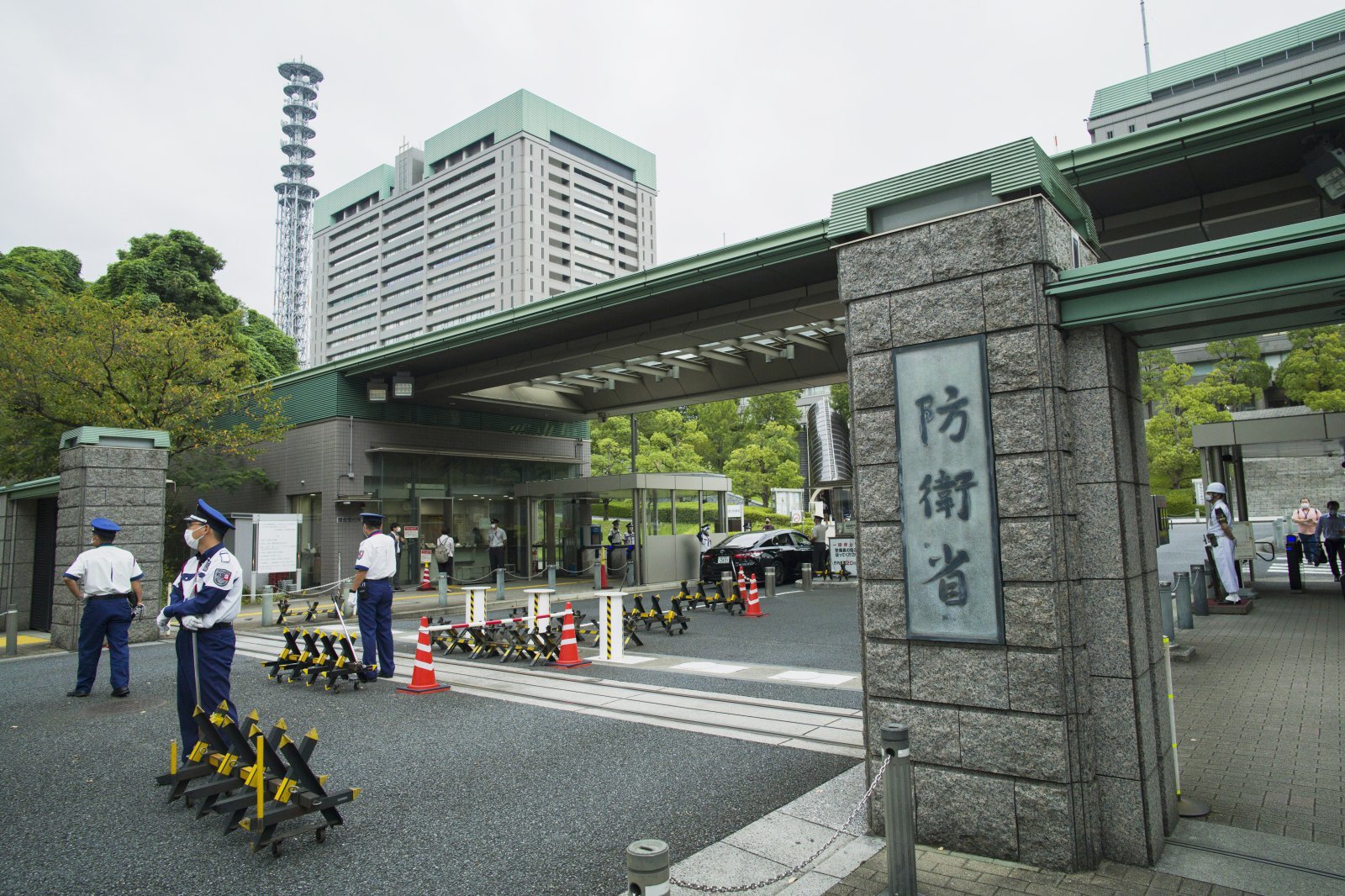
North Korea has strongly condemned Japan's latest Defense White Paper, labeling it a "re-invasion white paper" designed to legitimize the country's military expansion. The paper, released by Japan's new cabinet, identifies North Korea, China, and Russia as significant threats to global security. Pyongyang argues that Japan is attempting to rationalize its "reckless military buildup" by falsely portraying its neighbors as imminent dangers.
The 'Defense White Paper,' which is being criticized internally and externally as an invasion white paper, has arbitrarily linked neighboring countries, including our Republic, to 'grave and pressing threats' and 'greatest strategic challenges' to rationalize their reckless military buildup.
In a commentary published by the Rodong Sinmun, international security commentator Kang Won-chol asserted that Japan's white paper distorts reality by labeling North Korea as a "grave and pressing threat" and a "greatest strategic challenge." Kang accused Japan of accelerating its militarization and strengthening alliances with the U.S. and its followers, driven by a desire to avenge its past defeat. He claimed this path poses the most urgent and significant threat to the world today.
This latest criticism aligns with a recent increase in North Korean rhetoric against Japan's military posture. The white paper specifically highlighted North Korea's military movements and its growing cooperation with Russia and China as serious concerns for Japanese security. This assessment comes after Japan's cabinet took office, marking a notable shift in its defense policy pronouncements.
Japan, which is accelerating its military buildup to achieve militarization as its 'national policy' and strengthening its alliance with the U.S. and its followers, is distorting reality by putting 'threats' from neighboring countries in the Defense White Paper.
North Korea has consistently voiced opposition to Japan's defense initiatives. In June alone, Pyongyang criticized the U.S.-South Korea Nuclear Consultative Group meetings, the U.S.-Japan extended deterrence talks, and joint military exercises between Japan and the U.S. The intensity of these denunciations has escalated, with Kim Yo Jong, Vice Department Director of the Workers' Party of Korea, directly criticizing Japan's test-firing of long-range cruise missiles just days prior. A South Korean Unification Ministry official noted that while such criticism is typical, the recent increase reflects North Korea's efforts to justify its own nuclear advancements and align with Russia and China.
The criticism of Japan's Defense White Paper is something North Korea does every year, but the recent increase in criticism of Japan's military movements and ROK-U.S.-Japan cooperation shows a tendency to justify their nuclear armament and sympathize with China and Russia's positions.
DistantNews Editorial
Originally published by Hankyoreh in Korean. Translated, summarized, and contextualized by our editorial team with added local perspective. Read our editorial standards.
More Stories


From Our Blog

What Gets Lost (and Found) When News Is Translated

The Critical Role of Diaspora Media in Global News

What Travellers Should Know About Countries with Restricted Press

A Digital Nomad's Guide to Following Local News

How the Same Story Looks Different in Different Countries
