

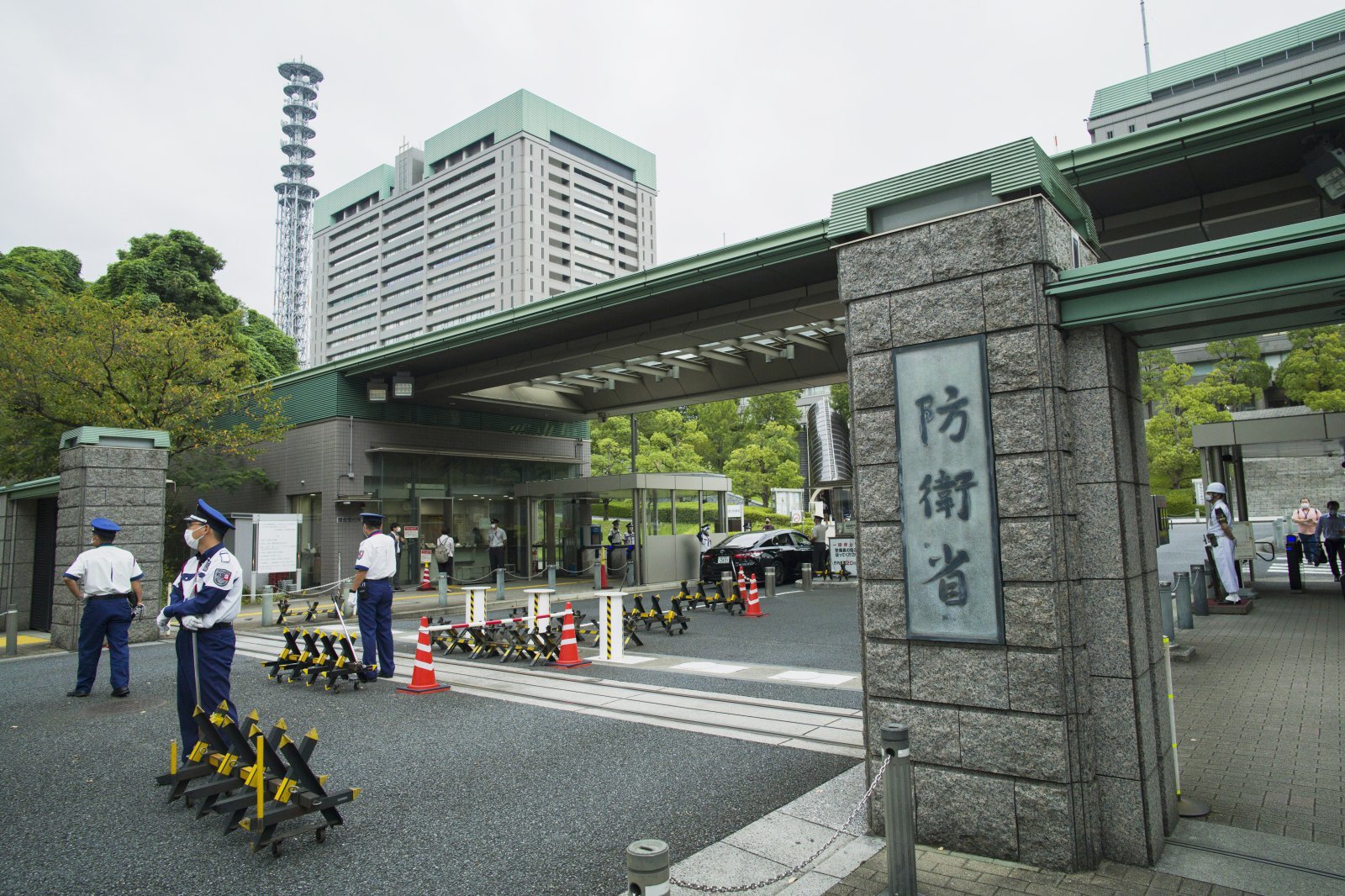

U.S. Defense Official Slams 'Middle Power Alliances' Without America
Translated from Korean, summarized and contextualized by DistantNews.
At a glance
News
Named sources
Context piece
- A top U.S. defense official criticized the concept of "middle power alliances" that exclude the United States.
- He urged Asian allies to expand their roles and contributions to regional security, emphasizing the need for tangible capabilities over symbolic gestures.
- The official stressed that U.S. engagement in the Indo-Pacific is a strategic priority, not a retreat, and called for allies to increase defense spending and bolster their own military industries.
A senior U.S. defense official has strongly rebuked the notion of "middle power alliances" that aim to operate independently of American involvement, labeling such concepts as "hollow and futile."
The solidarity among middle powers that excludes the United States is hollow and futile.
During a visit to the Philippines, Assistant Secretary of Defense for Indo-Pacific Affairs Ely Ratner asserted that any solidarity among middle powers excluding the U.S. remains merely symbolic. He argued that genuine deterrence stems from tangible hard power and the political will to employ it, not from abstract declarations or international forums.
Ratner's remarks directly addressed a concept gaining traction among some international elites and media, which suggests that middle powers like Canada, Australia, and European nations should forge their own strategic autonomy to counter perceived U.S. unilateralism and protectionism. He dismissed claims of a U.S. retreat from Asia as "cheap talk," insisting that American engagement in the region is a strict strategic readjustment based on priorities, not a withdrawal.
The notion of solidarity among middle powers that excludes or replaces the United States is in the realm of words and symbols.
"The United States is never in decline," Ratner declared, emphasizing that America's commitment to Asia is unwavering and its goal is to maintain a favorable balance of power in the Indo-Pacific. He highlighted the importance of maintaining a denial-based deterrence posture along the "first island chain", a strategic line stretching from Japan through Taiwan, the Philippines, and into Southeast Asia.
Genuine deterrence comes from hard power that is actually deployed and the political will to use it.
Addressing concerns about U.S. military readiness, particularly in light of its involvement in conflicts elsewhere, Ratner urged Asian allies to increase their defense spending and strengthen their own military industrial bases. He pointed to NATO's new defense spending benchmark of 5% of GDP as an example for Asian partners to follow. The U.S., he stressed, is seeking partners, not dependents, and sustainable alliances require mutual responsibility and robust self-defense capabilities. The success of future U.S. Indo-Pacific strategy, he concluded, will be measured by tangible indicators like enhanced military readiness along the first island chain, rather than mere signatures on agreements.
Claims that the United States is retreating or turning isolationist in Asia are cheap talk.
DistantNews Editorial
Originally published by Hankyoreh in Korean. Translated, summarized, and contextualized by our editorial team with added local perspective. Read our editorial standards.
More Stories


From Our Blog

What Gets Lost (and Found) When News Is Translated

The Critical Role of Diaspora Media in Global News

What Travellers Should Know About Countries with Restricted Press

A Digital Nomad's Guide to Following Local News

How the Same Story Looks Different in Different Countries
