


North Korea forecasts heavy monsoon rains, double average early July rainfall
Translated from Korean, summarized and contextualized by DistantNews.
At a glance
News
Sources not specified
Context piece
- North Korea forecasts heavy rainfall, with some areas expected to receive twice the average amount for early July.
- The country's meteorological agency predicts up to 200 millimeters of rain nationwide between July 14-15, with more expected later in the week.
- South Korea is monitoring North Korean dam activity, though no unusual water releases have been detected so far.
North Korea has announced forecasts for heavy monsoon rains, with early July rainfall already exceeding double the average.
The country's meteorological agency reported that the average rainfall nationwide in the first 10 days of July was 132 millimeters, more than double the normal 60 millimeters and 1.7 times last year's amount. Some areas, like Pyongyang, experienced over 2.5 times the average rainfall, with parts of North Pyongan and Jagang provinces already surpassing their July averages.
The monsoon has just begun.
Looking ahead, North Korea anticipates heavy downpours between July 14-15, with some southern and northern regions potentially receiving 150-200 millimeters, accompanied by intense rain of 30-60 millimeters per hour. Further rain is expected nationwide from July 18-19 due to the monsoon front and a low-pressure system.
Currently, there are no signs of dam releases from the North.
The Labor Party's newspaper, Rodong Sinmun, emphasized that the monsoon has "just begun" and urged officials to ensure resident safety and disaster prevention, highlighting the need for thorough flood preparedness.
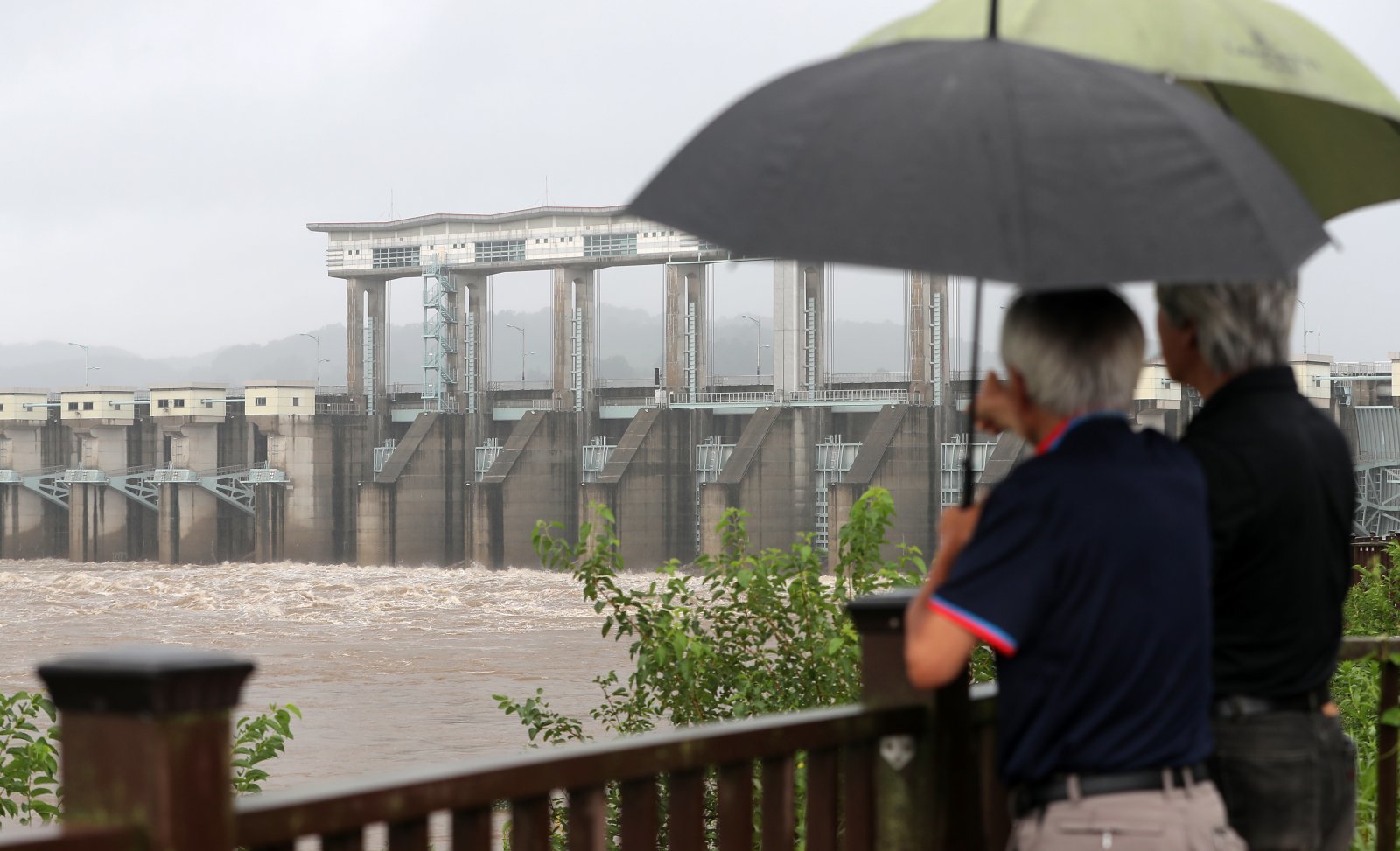
Amid concerns about potential dam releases, particularly from the Hwanggang Dam located upstream of the Imjin River, South Korean authorities have stated that no unusual activity has been observed. North Korea has a history of releasing water from the Hwanggang Dam without prior notice during heavy rainfall. In response, South Korea constructed the Gunnam Dam in Yeoncheon County in 2010 and closely monitors water levels and dam releases from the North during the monsoon season. A Unification Ministry official confirmed that the water level at Pilseung Bridge, a key measurement point on the South Korean side, remains below 1 meter.
The water level at Pilseung Bridge is also not exceeding 1 meter.
DistantNews Editorial
Originally published by Dong-A Ilbo in Korean. Translated, summarized, and contextualized by our editorial team with added local perspective. Read our editorial standards.
More Stories


From Our Blog

What Gets Lost (and Found) When News Is Translated

The Critical Role of Diaspora Media in Global News

What Travellers Should Know About Countries with Restricted Press

A Digital Nomad's Guide to Following Local News

How the Same Story Looks Different in Different Countries
