

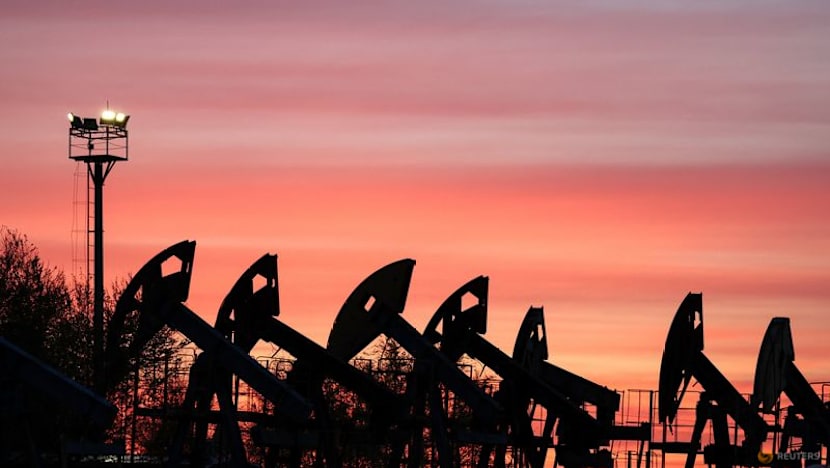

North Korea's sanctioned coal trade rebounds as UN monitoring lapses, rights group says
Translated from English, summarized and contextualized by DistantNews.
At a glance
News
Named sources
Context piece
- North Korea's sanctioned coal and mineral exports have increased significantly since March 2024, following the UN's loss of oversight due to a Russian veto.
- A human rights group's report, based on satellite imagery and interviews, alleges the trade is sustained by forced labor and involves companies tied to the North Korean military.
- The report highlights a near fivefold increase in cargo ship sightings at North Korean ports and an rise in sanctioned vessels docking abroad, suggesting the trade is linked to international security threats.
North Korea's sanctioned coal and mineral exports are surging, fueled by forced labor and a clandestine shipping network, according to a June 30 report by the Citizens’ Alliance for North Korean Human Rights (NKHR) and British research group Data Desk. The trade has reportedly accelerated since March 2024, when Russia blocked the renewal of the independent UN panel responsible for monitoring Pyongyang's compliance with sanctions.
Drawing on satellite imagery, the report documented a nearly fivefold increase in large cargo ship sightings at five major North Korean ports between 2019 and 2025. Nampo, a key coal export hub, saw vessel numbers climb from 554 in 2019 to over 3,000 in 2025. The analysis also revealed a rise in sanctioned vessels docking at foreign ports, with up to 25 visits in 2025 compared to just four in 2019, indicating a collapse in UN oversight.
The report alleges that companies linked to North Korea's Ministry of National Defence control the coal trade, directing earnings to military and security agencies that manage the country's mines and prison camps. "Everything is interlinked – the forced labour, the goods it produces, and the international security threats," said Ji-yoon Lee, a co-author of the report. "They are all together in one group and it’s very difficult to track."
Mines are reportedly worked by political prisoners, unpaid soldiers, and descendants of prisoners of war, with an estimated 50,000 to 80,000 individuals confined to labor through a hereditary caste system. The findings are supported by 22 interviews with former prisoners, escaped North Koreans, and former officials. South Korea's National Intelligence Service estimates North Korea shipped about 1.5 million tons of coal in 2025, with origins possibly forged as Russian to facilitate sales to China and other buyers. NKHR considers this figure a "bare minimum."
Everything is interlinked – the forced labour, the goods it produces, and the international security threats. They are all together in one group and it’s very difficult to track.
DistantNews Editorial
Originally published by The Straits Times in English. Translated, summarized, and contextualized by our editorial team with added local perspective. Read our editorial standards.
More Stories
From Our Blog

What Gets Lost (and Found) When News Is Translated

The Critical Role of Diaspora Media in Global News

What Travellers Should Know About Countries with Restricted Press

A Digital Nomad's Guide to Following Local News

How the Same Story Looks Different in Different Countries
