

Norway accelerates renewables development, with wind power to drive economy
Translated from Polish, summarized and contextualized by DistantNews.
At a glance
News
From a news agency
New plan
- Norway is accelerating its development of renewable energy sources, particularly onshore wind power, to boost its economy.
- The government aims to reduce bureaucracy and shorten application processes for new wind farms and transmission lines.
- This initiative is driven by concerns that slow wind power development could hinder Norway's economic activity and energy supply, despite its current role as a major energy supplier to the EU.
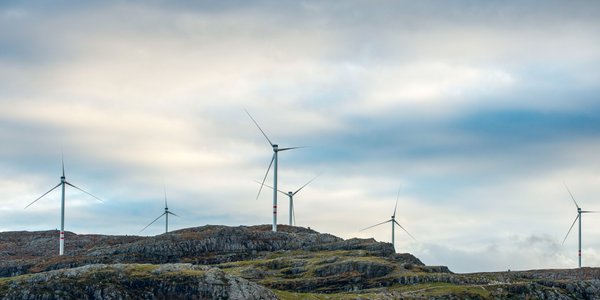
Norway, a leading energy supplier to the European Union, is prioritizing the acceleration of renewable energy development, with a particular focus on onshore wind power, to invigorate its economy. The nation plans to streamline the process for building new wind farms and associated transmission infrastructure by cutting through red tape.
The government's push for faster renewable energy expansion stems from concerns that the recent pace of wind power construction might impede Norway's economic growth and energy availability. While Norway historically produces more electricity than it consumes and is a net exporter, this surplus is threatened by projected increases in domestic energy demand, partly due to industries shifting away from fossil fuels.
Prime Minister Jonas Gahr Støre announced that the Labour Party government intends to halve the time required for expanding energy grids by simplifying investment procedures and removing bureaucratic obstacles. He emphasized that accelerating renewable energy and grid development is crucial for reducing harmful emissions, creating jobs, and safeguarding existing employment and businesses.
According to Energy Minister Terje Aasland, developing wind power is the quickest and most cost-effective method for increasing Norway's electricity output. The country's energy system already relies heavily on renewables, primarily hydropower from decades-old facilities. Onshore wind power has seen more dynamic growth only in the last decade, significantly increasing its importance between 2015 and 2021. However, the installed wind power capacity has only grown by about 1,000 megawatts (MW) since then, a mere 2.5% increase. This limited growth is attributed to strong opposition from segments of the Norwegian population and the indigenous Sámi people, who view wind turbines as environmentally damaging, harmful to human health, and aesthetically intrusive in Norway's unique landscapes.
Szybszy rozwój odnawialnych źródeł energii i sieci elektroenergetycznych ma kluczowe znaczenie dla ograniczenia szkodliwych emisji, zwiększenia zatrudnienia oraz ochrony istniejących miejsc pracy i firm
DistantNews Editorial
Originally published by Rzeczpospolita in Polish. Translated, summarized, and contextualized by our editorial team with added local perspective. Read our editorial standards.
More Stories

From Our Blog

What Gets Lost (and Found) When News Is Translated

The Critical Role of Diaspora Media in Global News

What Travellers Should Know About Countries with Restricted Press

A Digital Nomad's Guide to Following Local News

How the Same Story Looks Different in Different Countries
