

Norway accuses EU of hypocrisy over Arctic oil and gas drilling
Translated from Romanian and summarized by DistantNews. Read the original for the full story.
At a glance
News
Sources not specified
Context piece
- Norway's Energy Minister Terje Aasland accused the European Commission of hypocrisy regarding Arctic drilling policies.
- Aasland highlighted the contradiction between the EU's calls for a global ban on new Arctic drilling and member states like Poland and Germany securing energy deals with Norway.
- He criticized the EU's fragmented energy market, with 27 different national strategies, leading to unclear policies and discouraging investment in Europe.
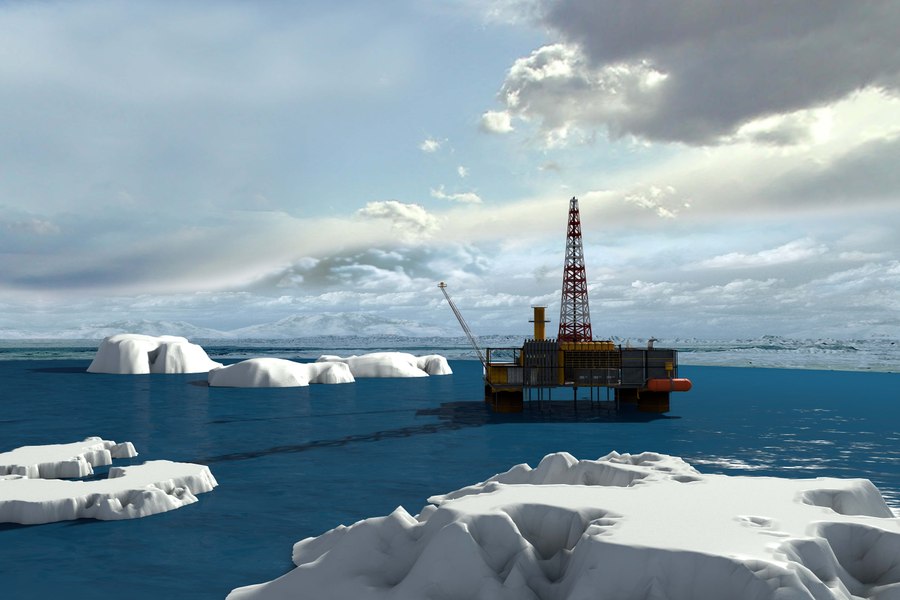
Norway's Energy Minister Terje Aasland has sharply criticized the European Commission, accusing it of hypocrisy over its stance on Arctic oil and gas exploration. Aasland pointed to a clear contradiction between the EU's stated goal of a global ban on new drilling in the Arctic and the actions of its member states, which are increasingly relying on Norway for energy.
While Europe talks about banning drilling, we see different actions from different countries with whom we want to discuss.
Speaking at the Offshore Northern Seas conference in Stavanger, Aasland noted that while the European Commission has advocated for an Arctic drilling moratorium since 2021, key EU members are actively pursuing energy agreements with Norway. He specifically cited Poland's state-owned energy company Orlen investing in offshore oil fields and Germany's Uniper signing a 15-year gas supply deal with Norwegian giant Equinor.
When we talk to Germany, they want that gas. And when we talk to Poland, they want that gas.
"While Europe talks about banning drilling, we see different actions from different countries with whom we want to discuss," Aasland stated. He emphasized that Germany and Poland are seeking Norwegian gas, directly challenging the EU's broader policy objectives. This divergence, he argued, reflects a fragmented European energy market characterized by 27 different national strategies that fail to communicate effectively.
The problem for Europe... is that we have 27 energy markets. They do not communicate with each other.
Aasland expressed concern that this lack of a unified approach is discouraging investment in Europe, with capital instead flowing towards the United States and Asia. He suggested that the EU's complex regulatory environment and conflicting national priorities create an unclear policy landscape, hindering the development of a cohesive and forward-looking energy strategy. Norway, meanwhile, is keen to expand its offshore operations to counter a projected decline in its oil and gas production.
What is Europe supporting? Nothing.
About this summary
Originally published by Adevărul in Romanian. Translated, summarized, and contextualized automatically by DistantNews, with a note on how the source frames the story. Not individually reviewed before publishing. How this works.
More Stories

From Our Blog

What Gets Lost (and Found) When News Is Translated

The Critical Role of Diaspora Media in Global News

What Travellers Should Know About Countries with Restricted Press

A Digital Nomad's Guide to Following Local News

How the Same Story Looks Different in Different Countries
