


Not everything that can be flushed belongs in the toilet: residents urged to change habits
Translated from Latvian, summarized and contextualized by DistantNews.
At a glance
News
Named sources
Context piece
- European wastewater systems face annual costs of €500 million to €1 billion due to wet wipes and similar hygiene products.
- "Latvijas Zaļais punkts" and the Latvian Association of Water and Wastewater Companies (LŪKA) urge the public to change habits, stating toilets are not trash cans.
- Only human waste and toilet paper should be flushed; wet wipes do not decompose and cause blockages, leading to costly repairs and environmental pollution.
The cost of maintaining wastewater systems across Europe runs between €500 million and €1 billion annually, largely due to the flushing of wet wipes and similar hygiene products. European water industry organization "EurEau" calculated these figures, prompting a public awareness campaign in Latvia.
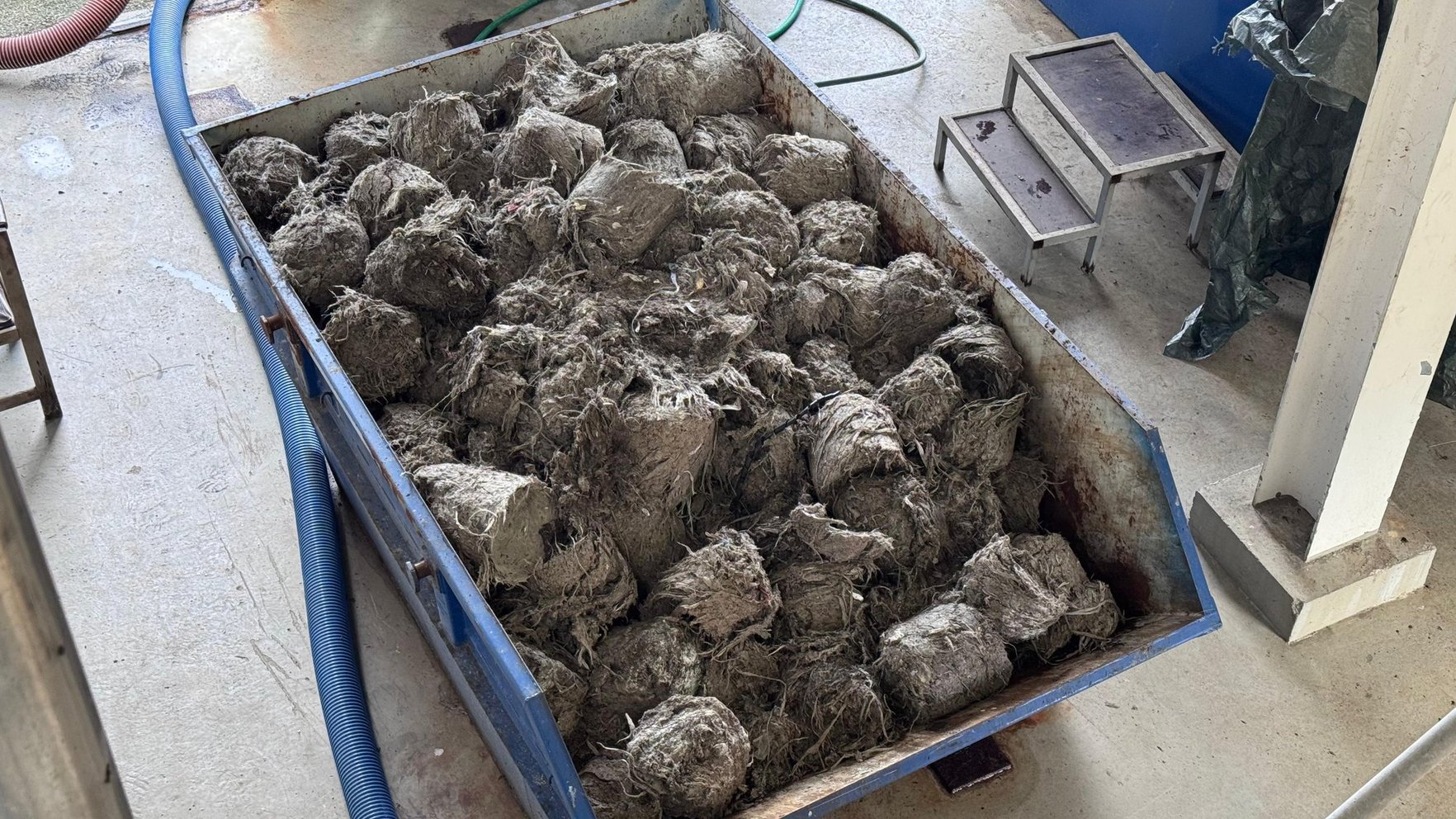
"Latvijas Zaļais punkts" (Latvian Green Point) in collaboration with the Latvian Association of Water and Wastewater Companies (LŪKA) is reminding residents that the toilet is not a waste bin. They emphasize that only human physiological waste and toilet paper should be flushed. The common misconception that "flushable" means safe for sewage systems is highlighted as a primary issue. Unlike toilet paper, wet wipes do not break down in water. Instead, they combine with grease and other debris to form dense blockages that impede wastewater flow and can cause system failures.
Only small and large bodily functions (Č, K) and toilet paper (P) are permitted in sewage systems – adhere to the ČKP law during use.
These blockages have significant consequences for consumers and infrastructure. Homeowners may face clogged pipes, unpleasant odors, sewage backups into their homes, and costly repairs. For municipalities and water utilities, the problems translate to increased maintenance, emergency call-outs, cleaning of grates and pipes, damage to pumps, and premature equipment replacement. If pumping stations cannot function properly, the risk of untreated wastewater overflowing into the environment also rises.
"Only small and large bodily functions (Č, K) and toilet paper (P) are permitted in sewage systems – adhere to the ČKP law during use," stated Sandis Dejus, LŪKA's executive director. Kaspars Zakulis, board member of "Latvijas Zaļā punkta," added that wet wipes, along with hygiene products, cotton pads, textiles, condoms, cigarette butts, hair, food waste, grease, medications, and household chemicals, all pose risks. "The myth that a wet wipe simply disappears after flushing still persists in society. It does not disappear. It continues its journey in the sewage system, where it can become part of a blockage and later contribute to water pollution. The same applies to other substances that should not enter the sewage system, including medications and household chemicals. Everything we carelessly throw or pour into the sewage system increases the load on wastewater treatment and can affect the quality of rivers, lakes, and seas. Acting environmentally friendly in this case is not complicated: wet wipes should be disposed of in the household waste bin," Zakulis emphasized.
The myth that a wet wipe simply disappears after flushing still persists in society. It does not disappear. It continues its journey in the sewage system, where it can become part of a blockage and later contribute to water pollution. The same applies to other substances that should not enter the sewage system, including medications and household chemicals. Everything we carelessly throw or pour into the sewage system increases the load on wastewater treatment and can affect the quality of rivers, lakes, and seas. Acting environmentally friendly in this case is not complicated: wet wipes should be disposed of in the household waste bin.
DistantNews Editorial
Originally published by Delfi Latvia in Latvian. Translated, summarized, and contextualized by our editorial team with added local perspective. Read our editorial standards.
More Stories


From Our Blog

What Gets Lost (and Found) When News Is Translated

The Critical Role of Diaspora Media in Global News

What Travellers Should Know About Countries with Restricted Press

A Digital Nomad's Guide to Following Local News

How the Same Story Looks Different in Different Countries
