

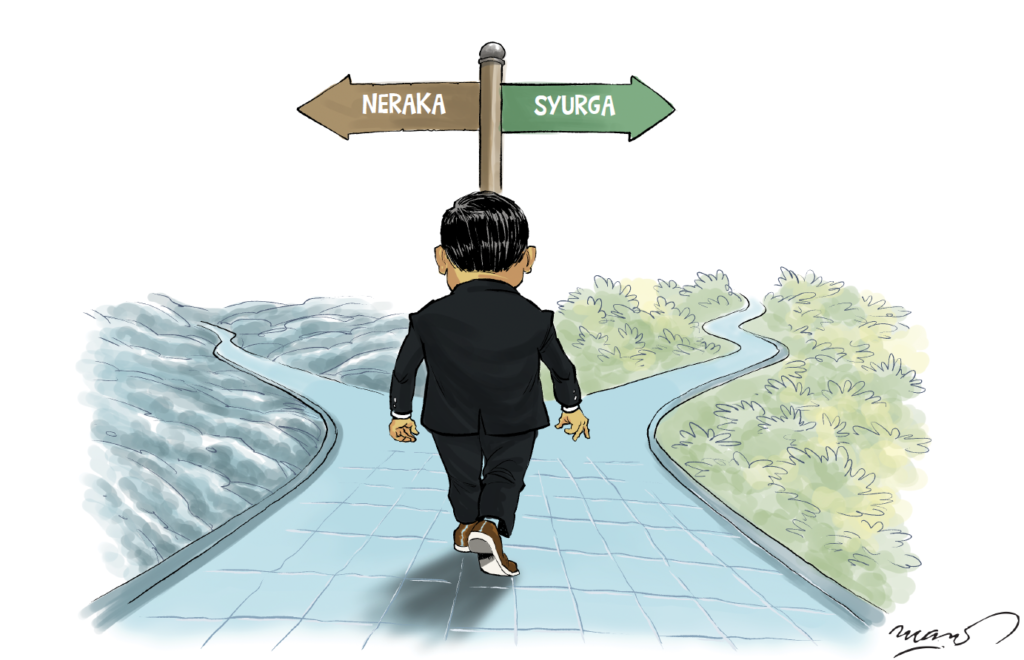

Not everything that goes viral on social media needs to be shared
Translated from Malay, summarized and contextualized by DistantNews.
At a glance
Analysis
Sources not specified
Context piece
- Social media, initially designed for connection, is increasingly used to share content without considering the impact on others, a worrying trend that is becoming normalized.
- The value of content is being measured by views rather than its effect on individuals, leading to the exploitation of situations and people for attention.
- Digital etiquette, rooted in human values like respect for privacy and helping those in need, must be applied online, requiring critical thinking and responsibility from all users and institutions.
Social media platforms, originally intended to connect people and facilitate the exchange of knowledge, are now witnessing a concerning trend: the prioritization of attention and engagement over consideration for others. This culture of sharing first without contemplating the consequences is becoming the norm, where content's worth is judged by its viewership rather than its impact on the individuals involved.
In the rush to be the first to share, many forget that online content involves real people with families, emotions, and lives beyond the screen. Digital etiquette, a concept not new but rather an old value needing to be carried into the digital age, emphasizes respecting privacy and aiding those in distress. These principles, taught in real life, should extend to the online realm.
While social media can be a powerful tool for disseminating emergency information, mobilizing aid, and raising public awareness, the intention and method of use are crucial. The question remains: is content shared to help, or merely to gain attention? Are we conveying information, or exploiting situations?
Addressing this issue requires a collective effort. Educational institutions can reinforce digital ethics and critical thinking from an early age. NGOs can spearhead awareness campaigns on ethical social media use. The government plays a role in enforcing laws and continuous public education. However, regulations alone are insufficient without societal awareness and self-discipline. Before hitting record, share, or send, we should ask ourselves: would we upload this if it involved our own family? Technological advancement should not erode the human values that form the bedrock of society.
DistantNews Editorial
Originally published by Utusan Malaysia in Malay. Translated, summarized, and contextualized by our editorial team with added local perspective. Read our editorial standards.
More Stories



From Our Blog

What Gets Lost (and Found) When News Is Translated

The Critical Role of Diaspora Media in Global News

What Travellers Should Know About Countries with Restricted Press

A Digital Nomad's Guide to Following Local News

How the Same Story Looks Different in Different Countries
