


‘Nothing has changed’
Summarized and contextualized by DistantNews.
TLDR
- A shopkeeper in Trinidad and Tobago expresses disappointment with the United National Congress (UNC) government's performance in its first year, viewing it as no different from the previous People's National Movement (PNM) administration.
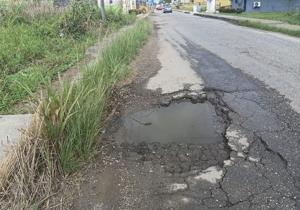
- Concerns include unaddressed community issues like clogged drains and unmaintained roads, alongside a lack of job opportunities and food insecurity.
- The shopkeeper also notes a decline in community support and accessibility from elected representatives since the election.
One year into the United National Congress's (UNC) term, the sentiment on the ground in communities like Chin Chin Road, Cunupia, is far from celebratory. Shopkeeper Tricia Ramsumair's assessment that 'nothing has changed' and that the current administration's performance is merely a continuation of the People's National Movement's (PNM) 'standstill and without any progression' reflects a deep-seated disillusionment. Her observations about unaddressed community needs—clogged drains, neglected roads, and the persistent struggle for work and food—paint a stark picture of unmet expectations.
the drains want cleaning, the roads have bush. People are complaining that they have no work and no food. I do not know if this Government is working for other people, but as for me it is not.
Ramsumair's personal experience highlights the tangible impact of government policies, particularly the closure of the Community-Based Environmental Protection and Enhancement Programme (CEPEP). As a small business owner, she directly links the program's cessation to a slowdown in customer support, underscoring how the livelihoods of ordinary citizens are intertwined with such initiatives. This perspective offers a ground-level view that often gets lost in broader political discourse, emphasizing the economic ripple effects of policy decisions.
Since the closure of CEPEP I have seen a slower response because it was the poor people who really support the small businesses. So, without their support we (shopkeepers) will be on the breadline soon, too.
The article also touches upon the perceived disconnect between elected officials and their constituents. Ramsumair recounts difficulties in reaching her Member of Parliament, Dr. Rishad Seecheran, describing a lack of accessibility and responsiveness that contrasts sharply with pre-election promises. This sentiment—that politicians become less available after securing office—is a recurring theme in Trinidad and Tobago and speaks to a broader concern about representation and accountability. The call for representatives to actively visit communities rather than waiting for citizens to seek them out is a powerful reminder of the duties of public service from the perspective of those governed.
Well, he left a card and we called. Not around, not in office, call back, make an appointment. In fairness, we never directly spoke to him, but the number he gave he was non-accessible.
DistantNews Editorial
Originally published by Trinidad Express. Summarized and contextualized by our editorial team with added local perspective. Read our editorial standards.
More Stories
From Our Blog

What Gets Lost (and Found) When News Is Translated

The Critical Role of Diaspora Media in Global News

What Travellers Should Know About Countries with Restricted Press

A Digital Nomad's Guide to Following Local News

How the Same Story Looks Different in Different Countries
