

Nvidia, Palantir, Meta warn against ‘premature restrictions’ of open-weight models
Summarized and contextualized by DistantNews.
At a glance
News
Sources not specified
Context piece
- Major US tech companies, including Nvidia, Palantir, and Meta, have signed a letter urging the US to lead in open-weight AI models, an area currently dominated by China.
- The companies warn against imposing "premature restrictions" on open AI models, arguing such measures could stifle US innovation and competition.
- They advocate for the US to build its own robust, open AI ecosystem rather than banning models that allow free download and customization.
A coalition of prominent American tech firms, including Nvidia, Palantir, and Meta, has issued a public letter calling for U.S. leadership in the development of open-weight artificial intelligence models. This appeal comes at a time when China is reportedly dominating this rapidly evolving field.
The tech giants are urging the U.S. government to avoid implementing what they describe as "premature restrictions" on open AI models. They argue that such limitations could stifle domestic innovation and hinder American competitiveness, potentially driving advancements overseas. The letter suggests that instead of bans, the U.S. should focus on cultivating its own "strong, open ecosystem."
Open-weight models are AI systems released freely online, allowing users to download, modify, and deploy them for various applications. Proponents highlight that these models democratize AI by reducing usage costs and enabling users to run them on local servers, thereby enhancing data privacy and security.
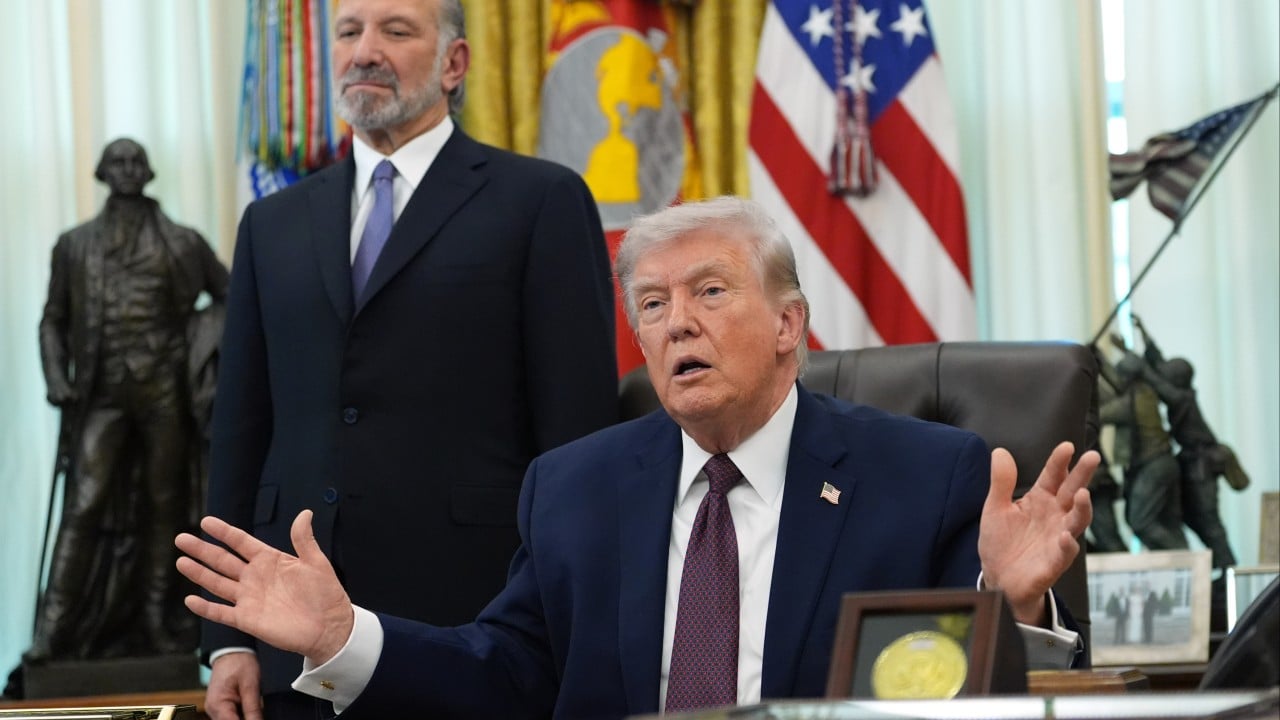
The companies' stance is particularly relevant amid growing speculation that the Trump administration might consider restrictions on open AI models. These potential measures are reportedly aimed at addressing national security risks and countering the rise of Chinese AI models. However, critics contend that such a move would be counterproductive to U.S. technological progress.
DistantNews Editorial
Originally published by South China Morning Post. Summarized and contextualized by our editorial team with added local perspective. Read our editorial standards.
More Stories

From Our Blog

Countries Without a Free Press: What You Need to Know

What Press Freedom Means for the News You Read

What Gets Lost (and Found) When News Is Translated

The Critical Role of Diaspora Media in Global News

What Travellers Should Know About Countries with Restricted Press
