

NYC Exhibit Traces Jewish Occultism from Fortune Tellers to Psychics
Translated from English, summarized and contextualized by DistantNews.
At a glance
In-depth
Sources not specified
Context piece
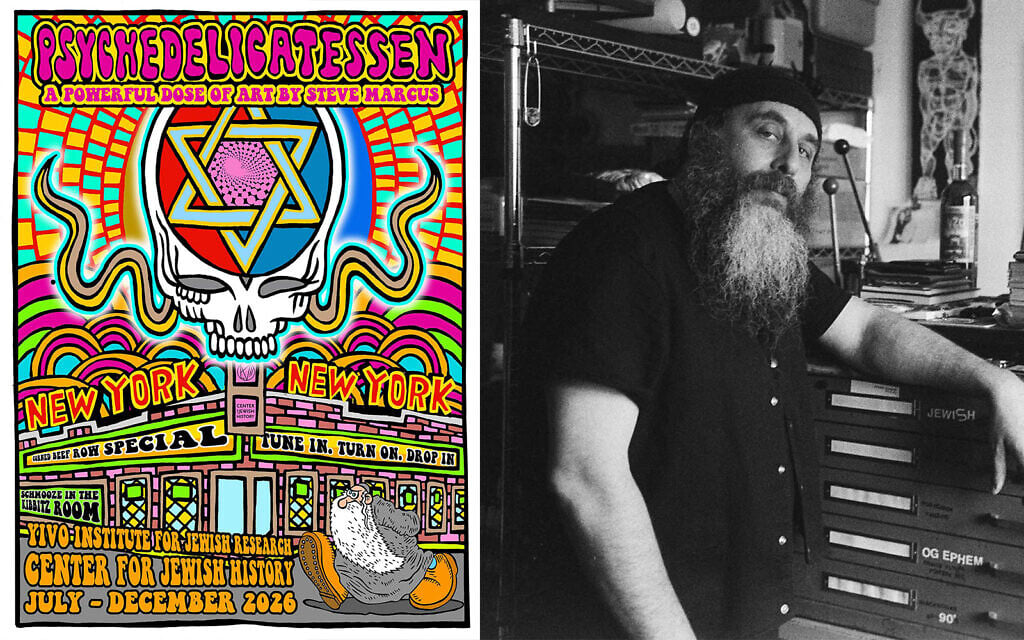
- A new exhibit at the YIVO Institute for Jewish Research, titled 'Jews Are Magic,' explores the historical Jewish engagement with mysticism, fortune-telling, and occult practices.
- The exhibit focuses on the period from the mid-19th to the early 20th centuries, a time when Jews, like their non-Jewish neighbors, sought solace in the occult amidst urbanization, oppression, and assimilation pressures.
- It highlights that fascination with the supernatural extended beyond the general populace to writers, intellectuals, and scientists, suggesting a recurring human search for metaphysical answers during times of instability.
In an era where spiritual explanations for societal ills are gaining traction, a new exhibit delves into a historical precedent: the Jewish engagement with the occult.
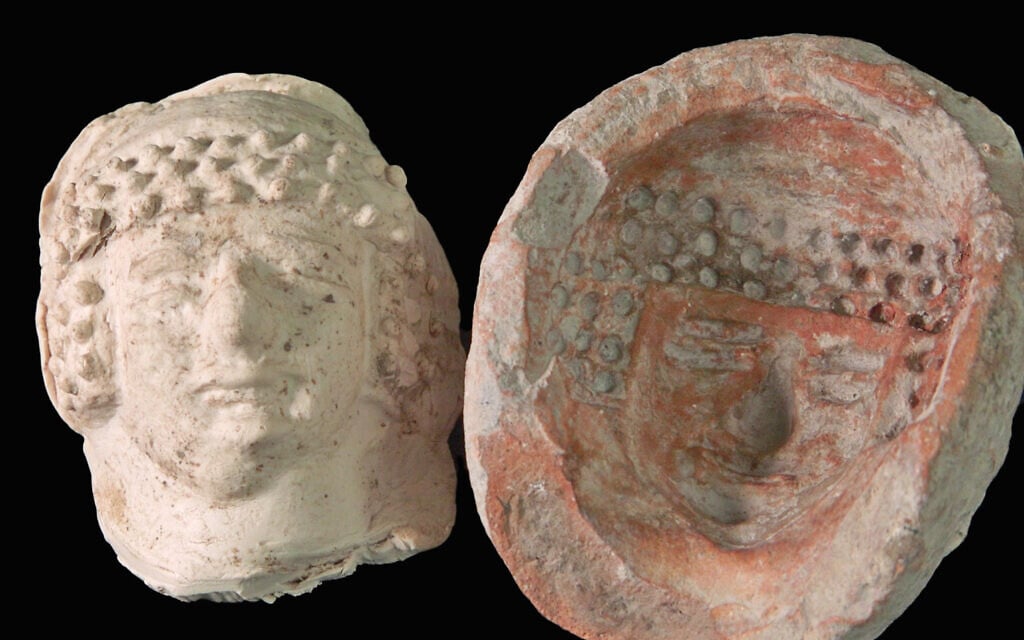
"Jews Are Magic," currently on display at the YIVO Institute for Jewish Research in Manhattan, traces the fascination with mysticism, fortune-telling, amulets, psychics, and other occult practices within Jewish communities. While the exhibit spans from biblical times, its primary focus is on the period between the mid-19th and early 20th centuries. During this era, Jews in Eastern Europe and New York's Lower East Side, facing increasing urbanization, oppression, and the pressures of assimilation, turned to the occult for solace, much like their non-Jewish contemporaries.
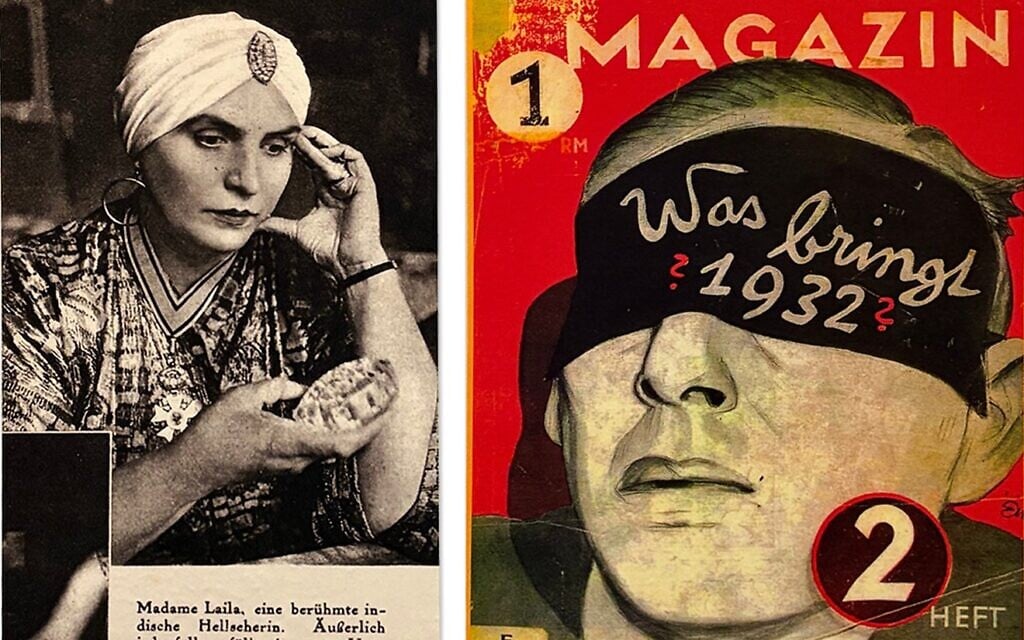
Samuel Glauber, an advisor to the exhibit and a specialist in the Jewish occult, noted that engagement with these "unseen realities" remained strong even as society modernized. The exhibit showcases how these practices were not confined to the fringes; writers, intellectuals, and even scientists were drawn to the supernatural, lending a degree of respectability to activities like fortune-telling and seances, which Sigmund Freud famously termed the "uncanny."
The exhibit features materials such as palm-reading manuals and amulets designed to ward off evil. It draws a parallel to contemporary trends, where platforms like TikTok host numerous tarot readers, crystal healers, and astrology influencers, many of whom offer alternative explanations for current events or health concerns. This resurgence of interest in the supernatural is often attributed to a rejection of institutional authority and a search for metaphysical answers when official explanations for economic and political instability feel insufficient.
In this time period, when people commonly think that sort of magic is getting left at the wayside and people are becoming more modern, they’re just as engaged with these unseen realities as they were beforehand.
DistantNews Editorial
Originally published by Times of Israel in English. Translated, summarized, and contextualized by our editorial team with added local perspective. Read our editorial standards.
More Stories

From Our Blog

What Gets Lost (and Found) When News Is Translated

The Critical Role of Diaspora Media in Global News

What Travellers Should Know About Countries with Restricted Press

A Digital Nomad's Guide to Following Local News

How the Same Story Looks Different in Different Countries
