


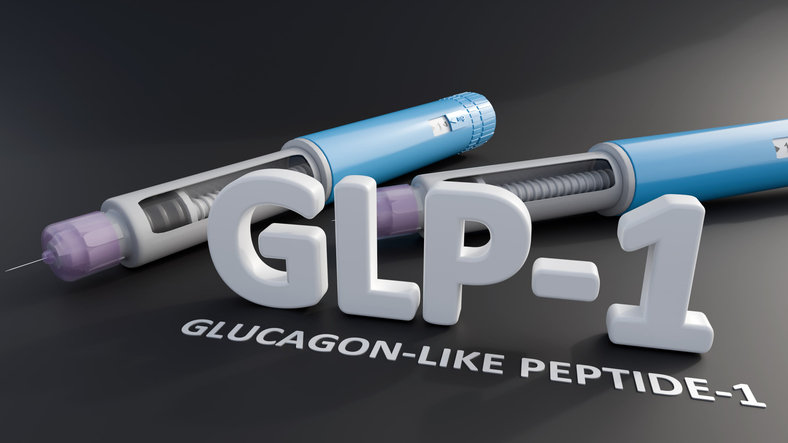
Obesity drugs show potential to improve male hormones and sperm quality
Translated from Korean, summarized and contextualized by DistantNews.
At a glance
News
Sources not specified
Context piece
- New research suggests GLP-1 class obesity drugs, like semaglutide and tirzepatide, may improve male fertility by increasing testosterone levels and sperm quality.
- A systematic review presented at an endocrinology conference found these drugs could potentially benefit men with obesity and low testosterone, though larger trials are needed.
- The potential benefits are linked to weight loss, which combats factors like reduced testosterone production and chronic inflammation associated with obesity.
Obesity drugs from the GLP-1 class, widely used for diabetes and weight loss, might offer an unexpected benefit: improving male fertility. A recent systematic review by researchers from the University of Warwick's medical school and University Hospitals Coventry and Warwickshire suggests these drugs could raise testosterone levels and enhance sperm quality in men.
The goal is for a product to be planned from the moment it is created with its future disassembly, easy repair, or trouble-free recycling in mind.
The findings, presented at the ENDO 2026 conference in Chicago, are based on an analysis of clinical trials involving men aged 18-65. Participants receiving GLP-1 medications showed trends toward increased testosterone and improved sperm count and morphology. Notably, while testosterone replacement therapy also raised testosterone, only GLP-1 treatment appeared to improve sperm quality.
Infertility affects a significant portion of couples globally, with male factors estimated to contribute to about half of cases. Factors like delayed childbearing, obesity, and lifestyle changes are contributing to the rise in infertility rates. The study's lead author, Dr. Natesh, an endocrinologist at Warwick Medical School, explained that the weight loss achieved with GLP-1 drugs can improve hormonal function, including testosterone levels. Obesity is a known factor that lowers male testosterone by increasing the conversion of testosterone to estradiol via an enzyme abundant in fat cells.
The equipment we handle is often fully functional products for which we need to find recipients.
Researchers believe that weight loss and improved metabolic health can break this cycle, aiding testosterone levels and reproductive function. Dr. Natesh emphasized that these findings are particularly relevant for men experiencing both obesity and low testosterone, especially those planning to conceive. He suggested that addressing obesity through lifestyle changes or medications like GLP-1 agonists could be a more effective first step than immediately resorting to testosterone replacement therapy, which can sometimes suppress sperm production.
Looking at these factors alone, one can say that by implementing the principles of the circular economy, we can achieve real savings.
DistantNews Editorial
Originally published by Dong-A Ilbo in Korean. Translated, summarized, and contextualized by our editorial team with added local perspective. Read our editorial standards.
More Stories



From Our Blog

What Gets Lost (and Found) When News Is Translated

The Critical Role of Diaspora Media in Global News

What Travellers Should Know About Countries with Restricted Press

A Digital Nomad's Guide to Following Local News

How the Same Story Looks Different in Different Countries
