


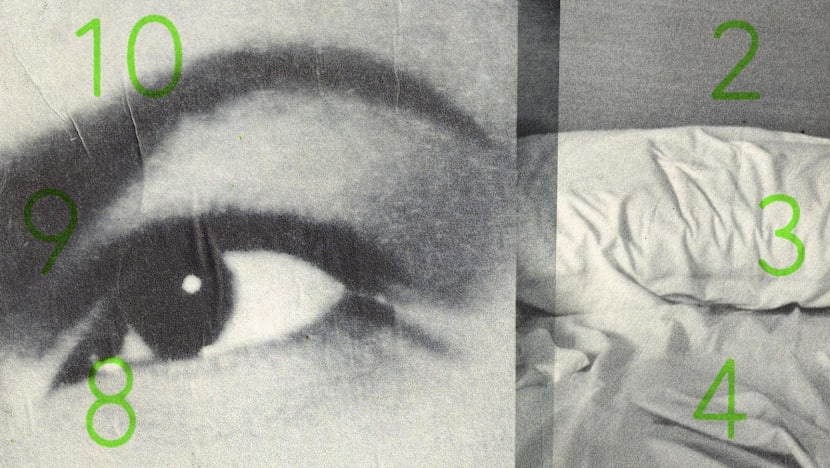
Obsessive attraction is not love – it's limerence, and it has a name
Translated from English, summarized and contextualized by DistantNews.
At a glance
In-depth
Named sources
Context piece
- Limerence is a psychological state of intense, obsessive infatuation, distinct from love or a simple crush.
- It is characterized by intrusive thoughts, compulsive behaviors, and a deep longing for reciprocation, potentially lasting years.
- While not a recognized disorder, limerence can significantly impair a person's daily functioning and involves seeking validation from the object of affection.
An intense, obsessive attraction that feels like a powerful spell is not love, but a psychological state known as limerence. For eight years, Jordan, 35, experienced this with a co-worker, despite not knowing him well. She was convinced he was her soulmate, thinking about him constantly, inventing reasons to contact him, and fantasizing about a future together.
I thought about him every day, all the time.
Neuroscientist Tom Bellamy estimates that up to 50 percent of people experience this obsessive romantic infatuation at least once. Limerence, a term coined by psychologist Dorothy Tennov in the 1970s, is defined by psychologist Orly Miller as a state marked by deep longing, obsessive thoughts, compulsive actions, and a strong desire for emotional reciprocation. Unlike a fleeting crush, limerence can persist for months, years, or even decades and becomes impairing when it interferes with work, sleep, or eating.
Limerence is a psychological state characterised by a deep longing for someone, obsessive and intrusive thoughts, compulsive behaviours and a strong desire for emotional reciprocation.
Limerence is distinct from love. Miller explains that while both involve strong emotions, limerence is an internally focused experience rooted in fantasy and ambiguity. The other person becomes a symbol of happiness and fulfillment, according to retired psychology professor Albert Wakin. It doesn't have to be romantic or sexual; psychologist Lynn Marshall notes it can occur with friends, as experienced by Lili, 46, who fell into despair when a friend did not respond to her messages.
The other person “becomes a symbol: ‘You are the source of my happiness; you are the source of my fulfillment.’
Individuals in a state of limerence often compulsively search for signs of reciprocation. Even casual interactions like a glance or a social media post can be interpreted to construct elaborate narratives about whether they signal rejection or interest. This "hooked on the maybe" state involves holding onto hope for mutual feelings, even amidst doubt. The condition, though not formally recognized in the DSM, significantly impacts individuals' lives by consuming their thoughts and driving compulsive behaviors.
It was intensely painful. I’d wake up in the morning, start thinking about it, go to bed at night, keep thinking about it.
DistantNews Editorial
Originally published by CNA in English. Translated, summarized, and contextualized by our editorial team with added local perspective. Read our editorial standards.
More Stories



From Our Blog

What Gets Lost (and Found) When News Is Translated

The Critical Role of Diaspora Media in Global News

What Travellers Should Know About Countries with Restricted Press

A Digital Nomad's Guide to Following Local News

How the Same Story Looks Different in Different Countries
