


🇨🇴
Colombia
Ocelot cub found alone in Antioquia coffee fields, receives assisted care
Translated from Spanish, summarized and contextualized by DistantNews.
At a glance
News
Named sources
Outcome reported
- A young ocelot cub was found alone in coffee fields in Tarso, Antioquia, Colombia.
- Workers observed the cub, hoping its mother would return, but she never did.
- The cub is now under the care of Corantioquia for assisted rearing with the goal of eventual release into the wild.
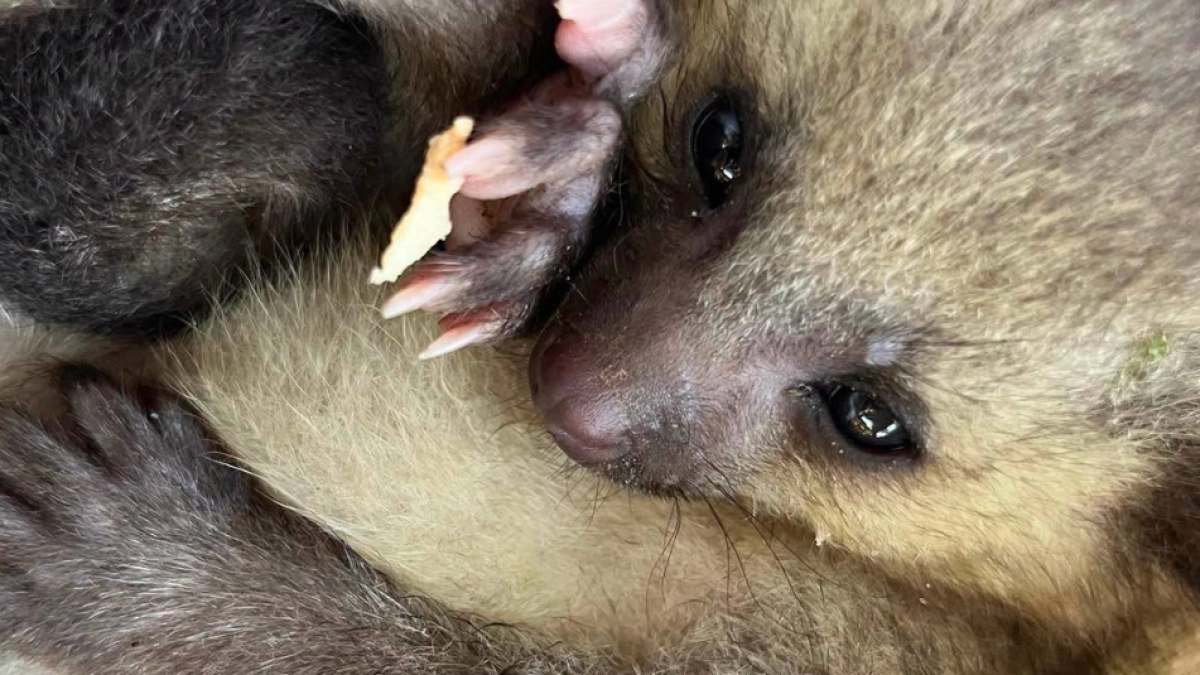
A lone ocelot cub, disoriented and alone in the coffee fields of La Germania farm in Tarso, Antioquia, has been placed under the care of Corantioquia, the regional environmental authority. Workers at the farm discovered the cub amidst the coffee plants and initially chose not to intervene, keeping watch in hopes its mother would return. They provided time for the mother to reappear, understanding that young animals sometimes explore under their mother's supervision.
However, the adult ocelot never returned. The farm workers then took steps to protect the cub before handing it over to Corantioquia for specialized attention. The environmental corporation is now providing assisted rearing for the young animal. This process includes providing nutrition and stimuli designed to help the cub learn essential survival skills such as climbing and self-feeding.
The cub is currently under an assisted rearing process. During this stage, it receives nutrition and stimuli aimed at enabling it to learn to climb, feed itself, and develop the necessary behaviors to thrive independently.
The ultimate goal of this assisted rearing program is to prepare the ocelot for a return to its natural habitat. Corantioquia stated that the cub will be released into the wild only if its development allows for independent survival. The authority also used the case to remind the public to contact them for guidance when encountering wild animals that appear lost, disoriented, or injured.
The objective of the process is to prepare the specimen so that it can return to the forest and continue its life in natural conditions, provided its evolution allows for eventual release.
DistantNews Editorial
Originally published by El Tiempo in Spanish. Translated, summarized, and contextualized by our editorial team with added local perspective. Read our editorial standards.
More Stories


From Our Blog

What Gets Lost (and Found) When News Is Translated

The Critical Role of Diaspora Media in Global News

What Travellers Should Know About Countries with Restricted Press

A Digital Nomad's Guide to Following Local News

How the Same Story Looks Different in Different Countries
