


Odense citizens demand clear answers in fight against caterpillar invasion
Translated from Danish, summarized and contextualized by DistantNews.
At a glance
News
Sources not specified
Context piece
- Residents of Odense are protesting the municipality's handling of an oak processionary moth infestation.
- The caterpillars' hairs cause allergic reactions, affecting many, including children, and impacting daily life.
- Protesters demand clear answers and concrete action plans from the municipality to address the escalating problem.
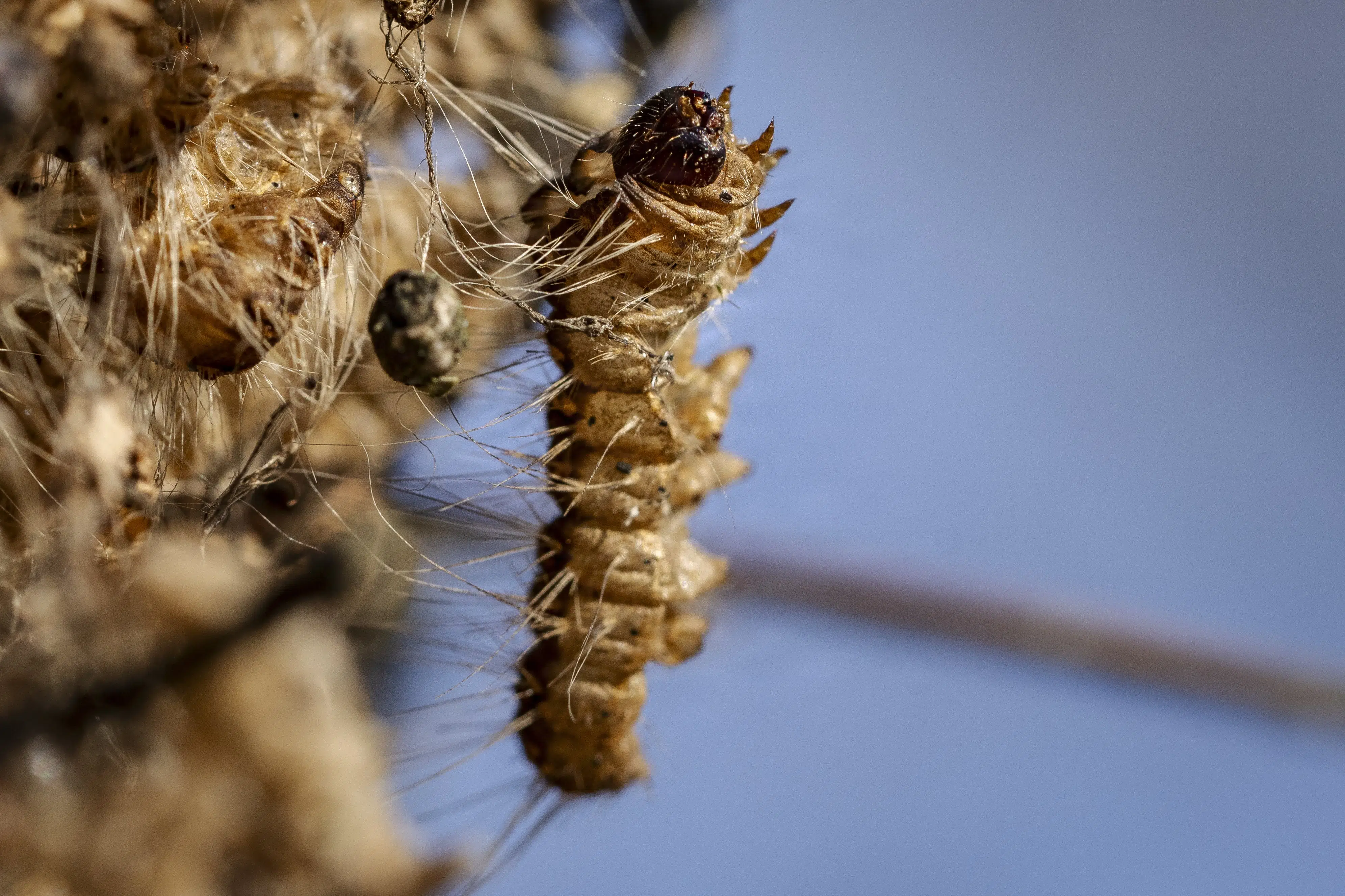
Odense residents gathered Saturday morning to protest the municipality's response to a widespread infestation of oak processionary moths. The caterpillars, which have spread across the Funen region again this year, pose a significant public health concern due to their irritating hairs.
The demonstration is not about being against something, but about focusing on something that causes enormous attention and concern for very many people.
Alexander Boe, an educational consultant and resident living near infested oak trees, organized the demonstration. He and his three children have experienced severe allergic reactions, including itching, eye irritation, rashes, and breathing difficulties. Boe emphasized that the protest aims to raise awareness and initiate a dialogue with the municipality, rather than oppose any specific action.
It's about creating a joint effort where we want to engage in dialogue with the municipality.
The protest follows a municipal meeting where Odense Kommune acknowledged its struggle to manage the scale of the infestation this year, which has been more severe than the previous year. Mayor Peter Rahbæk Juel stated the municipality is doing everything possible to contain the spread, with advisories issued against using certain sidewalks and bike paths. However, Boe expressed dissatisfaction with the meeting, feeling he left with more knowledge but no clear answers on how this information would translate into a concrete action plan.
I naturally left the town hall meeting with more knowledge. But I didn't get any clear answers on how they intend to use that knowledge to create a concrete plan, which many are asking for - one knows that it is a documented problem from last year.
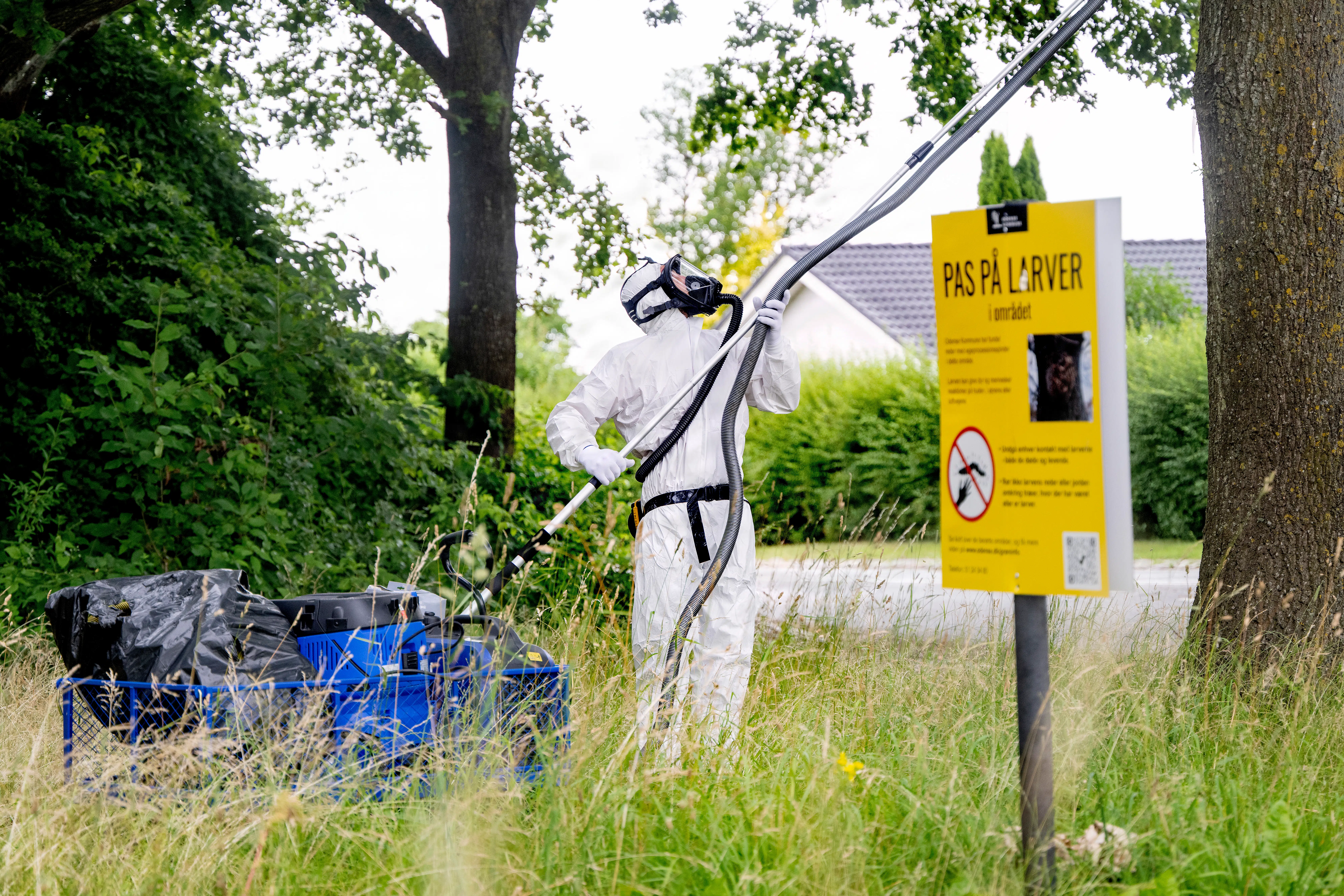
Residents are seeking a clear strategy to address the problem, which is known to recur annually. Methods for dealing with the caterpillars include vacuuming them, using hot water, or applying foam. The oak processionary moth, native to Central and Southern Europe, is not classified as an invasive species within the EU. It was first detected in Odense last year, likely arriving with imported trees for the city's light rail project.
So the focus of the demonstration will be on translating knowledge and insight into action, so we figure out what we do from here.
DistantNews Editorial
Originally published by Berlingske in Danish. Translated, summarized, and contextualized by our editorial team with added local perspective. Read our editorial standards.
More Stories
,xPosition=.5,yPosition=.5;Resize=(1200,675)&impolicy=medium)

From Our Blog

What Gets Lost (and Found) When News Is Translated

The Critical Role of Diaspora Media in Global News

What Travellers Should Know About Countries with Restricted Press

A Digital Nomad's Guide to Following Local News

How the Same Story Looks Different in Different Countries
