

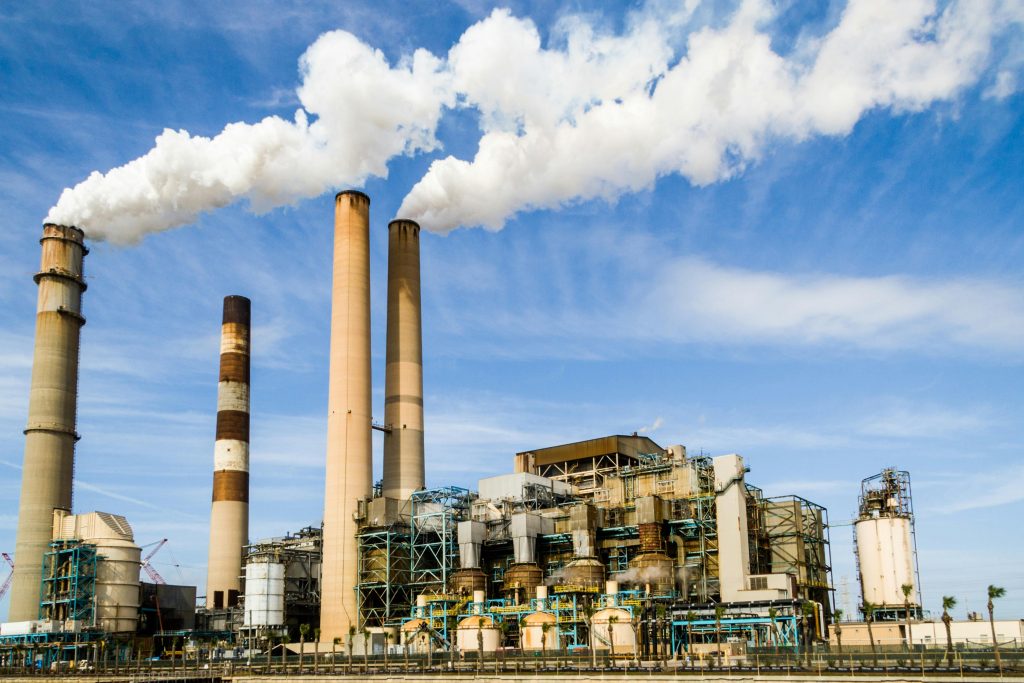

OECD forecasts lower growth, higher inflation for 2026 amid Middle East conflict
Translated from Greek, summarized and contextualized by DistantNews.
At a glance
News
Official statement
Context piece
- The OECD forecasts lower global growth and higher inflation for 2026 due to rising energy and fertilizer prices, exacerbated by the Middle East conflict.
- The organization presents two scenarios depending on the conflict's duration, with prolonged fighting leading to significant economic pressure and potential recessions.
- Global supply chains and energy markets are interconnected, meaning the impact will be felt worldwide, particularly affecting Asian and developing economies.
The global economy faces a challenging outlook with lower growth and persistent inflation predicted for 2026, according to the Organisation for Economic Co-operation and Development (OECD). The Paris-based organization attributes these forecasts primarily to the surge in energy and fertilizer prices, a situation intensified by the ongoing conflict in the Middle East.
The OECD has outlined two distinct scenarios based on the conflict's trajectory. In a situation of "limited disruptions" and progress toward a peace agreement, global growth is projected to slow to 2.8% in 2026, with inflation easing and interest rates remaining stable. However, a prolonged conflict, extending significantly into 2027 without a peace deal, would severely hamper growth, potentially pushing economies into recession and increasing unemployment.
Under the more pessimistic scenario, energy prices and inflation would continue to climb, leading to further supply shortages. Central bank interest rates might rise, and national budgets would face increased pressure. The OECD emphasizes that the economic repercussions of the conflict will likely persist even after its conclusion, given the time required to repair damaged infrastructure and restore transportation routes.
While the global economy was relatively stable before the conflict, driven by technological investments, rising inflation is eroding consumer purchasing power, diminishing business confidence, and creating supply chain difficulties. Asian economies, heavily reliant on imports from the Middle East, along with developing nations and Gulf countries, are particularly vulnerable. However, the interconnectedness of global supply chains and energy markets means the impact will be widespread.
The economic consequences of this conflict will likely be felt for some time, even after its end, given the months needed to repair damaged infrastructure and restore transportation routes.
DistantNews Editorial
Originally published by Ta Nea in Greek. Translated, summarized, and contextualized by our editorial team with added local perspective. Read our editorial standards.
More Stories


From Our Blog

What Gets Lost (and Found) When News Is Translated

The Critical Role of Diaspora Media in Global News

What Travellers Should Know About Countries with Restricted Press

A Digital Nomad's Guide to Following Local News

How the Same Story Looks Different in Different Countries
