


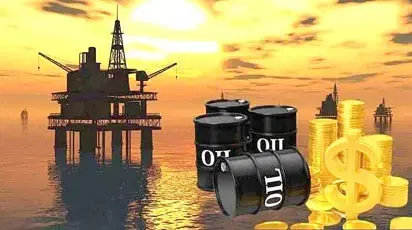
Oil extends gains after fresh US strikes, stocks mostly rise
Summarized and contextualized by DistantNews.
At a glance
News
Sources not specified
Ongoing story
- Oil prices surged following fresh US strikes against Iran, raising concerns about escalating hostilities and potential inflation spikes.
- Tech stocks saw a partial recovery after recent sell-offs, though market confidence remains fragile amid fears of an AI boom overheating.
- President Trump announced the US would act as "THE GUARDIAN OF THE HORMUZ STRAIT," proposing a 20 percent fee on cargo, while also suggesting a deal with Iran remains possible.
Oil prices experienced another significant jump Tuesday, driven by fresh US strikes against Iran that have intensified fears of escalating conflict and a subsequent inflation surge. The hostilities, which began after Iranian forces struck a commercial ship in the Strait of Hormuz, have led to a series of retaliatory attacks between the US and Iran.
We’re going to hit them very hard tonight, and we’re going to hit them hard tomorrow.
President Donald Trump declared the United States would become "THE GUARDIAN OF THE HORMUZ STRAIT," announcing plans to impose a 20 percent fee on all cargo passing through the vital waterway, which accounts for about a fifth of global oil traffic. He stated that while Iran's ports would be blockaded, other countries would still have fair and open access. Despite the aggressive stance, Trump also indicated that a diplomatic deal with Tehran to end the crisis was still a possibility.
The United States would be “known as ‘THE GUARDIAN OF THE HORMUZ STRAIT'” and levy a 20 percent fee on all cargo shipped through the waterway.
Equity markets showed a mixed performance, with technology firms experiencing a much-needed reprieve after a recent bout of selling. However, confidence in the sector remains shaky as traders worry that the AI-driven rally may have gone too far. Seoul's stock market, in particular, saw wild swings, ending positively after an earlier five percent drop, with SK Hynix and Samsung shares showing gains.
Yeah, I think a deal is possible. Sure, I do.
Analysts expressed uncertainty regarding the seriousness of Trump's pronouncements, with some suggesting the proposed levy might violate international law and could be a negotiating tactic. The potential $16 per barrel increase on oil passing through the strait could significantly impact costs. The ongoing tensions and potential economic repercussions continue to create volatility in global markets.
With Trump, one never quite knows how seriously to take such pronouncements, but Gulf allies would not be pleased with this plan, and it almost certainly violates international law.
DistantNews Editorial
Originally published by Vanguard. Summarized and contextualized by our editorial team with added local perspective. Read our editorial standards.
More Stories


From Our Blog

How the Same Story Looks Different in Different Countries

What Gets Lost (and Found) When News Is Translated

The Critical Role of Diaspora Media in Global News

What Travellers Should Know About Countries with Restricted Press

A Digital Nomad's Guide to Following Local News
